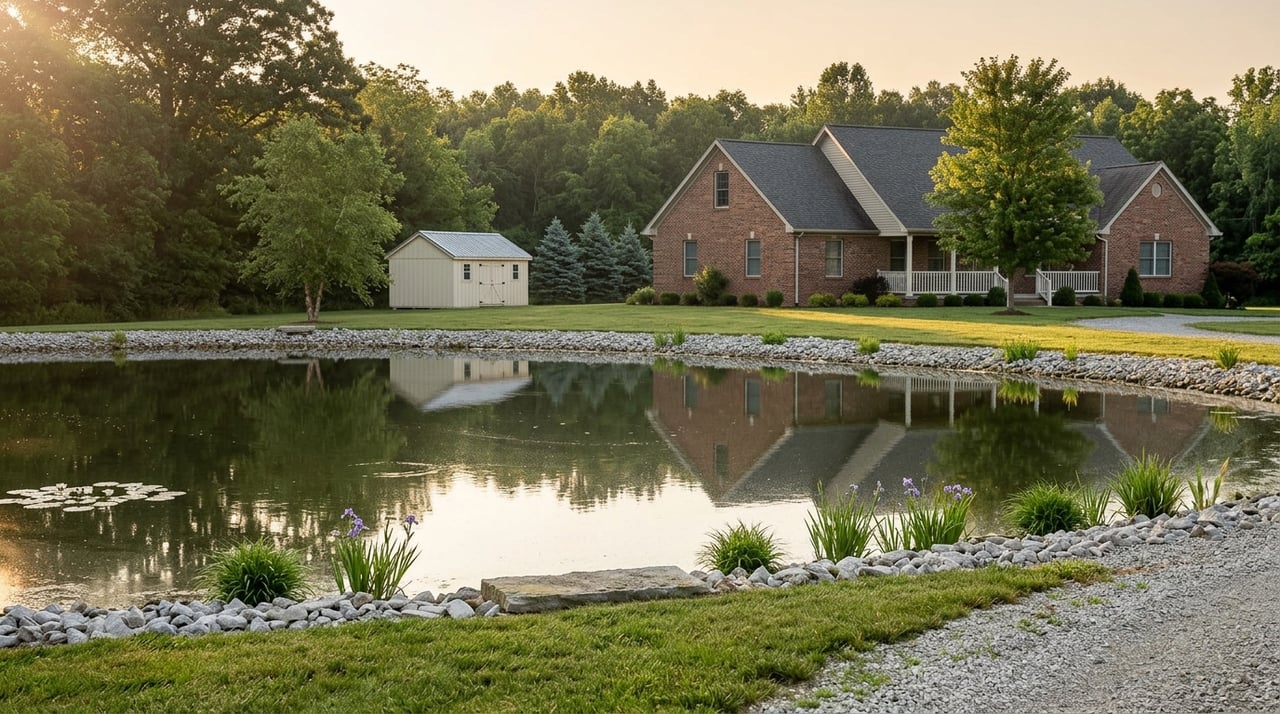
Selling rural land near Franklin Grove can feel simple at first, until the questions start. Is it buildable? Where are the corners? Is there legal access? If you want a smoother sale, the goal is to reduce uncertainty before your property hits the market. This guide walks you through the practical steps that can help you present your land clearly, answer buyer questions faster, and prepare for stronger negotiations. Let’s dive in.
Start With Zoning and Use
If your land sits outside village limits near Franklin Grove, Lee County usually controls the rules that matter most. That includes zoning, floodplain review, subdivision rules, access permits, and some health-related issues tied to rural property use.
Before you market the property as buildable, hobby-farm friendly, or suited for a future split, confirm the zoning classification. In Lee County, land not shown on the official zoning map defaults to the AG-1 rural and agricultural district unless it has been reclassified, and the official map is the final authority on zoning status.
This step matters because buyers often ask what they can actually do with the land. If you answer that question too loosely, it can create confusion later. A clear, verified zoning picture helps you market the property accurately from day one.
Check Lot Split Potential Early
If your sale could involve dividing the parcel, do not wait until you have a buyer to start asking questions. Lee County’s subdivision regulations can apply even to a one-lot subdivision, and preliminary plat approval comes before final plat approval.
The county also notes that final plats must be recorded with the County Clerk. If a split affects whether a future building permit is available, the LESA process may also come into play. That makes early review especially important when buyers are looking for a future homesite.
Make the Property Easy to Understand
One of the best ways to improve marketability is to make the land easy to read on the ground. Buyers feel more confident when they can tell where they are, how they would access the property, and what features are already in place.
Start by walking the perimeter. Look at entrances, lanes, gates, fence lines, culverts, and any visible access points that a buyer will notice during a showing.
If you have old fencing, marked corners, or known boundary monuments, make note of them. A property that feels easy to navigate often feels easier to buy.
Know the Difference Between a Survey and a Parcel Map
A plat of survey can show acreage, legal description, old fencing, property lines, and corner posts. That is very different from a tax parcel map, which is mainly an assessment tool and not a boundary survey.
If you already have a survey, keep it ready. If you do not, and the boundaries or corners may be hard to identify, this is worth addressing before listing. Clear boundary information can answer one of the first questions nearly every land buyer asks.
Highlight Access and Drainage Features
Access is a major part of how rural land is judged. In Lee County, driveway access, drainage permit, and utility permit forms are part of the local process, and county highway work includes culvert and drainage improvements.
That means your road entrance, ditch condition, culverts, and drive areas are not small details. They are part of how buyers evaluate usability. If your acreage includes drainage tiles, ditches, or road-adjacent improvements, keep those details in your file as well.
Gather the Paperwork Buyers Want
Good land listings are not just about photos and acreage totals. They are also about having the right documents ready when interest starts to build.
At a minimum, gather:
- Deed
- Legal description
- PIN
- Most recent tax bill
- Any recorded easements
- Any recorded access documents
- Existing survey, if available
Lee County’s Clerk and Recorder handles recorded real estate documents, and the assessment office can search by PIN, owner, or address for tax data, property record cards, and aerial parcel maps. That public record trail can help buyers verify what they are seeing.
Organize Lease Information
If the property is leased for farming, get the lease paperwork in order before listing. Buyers will want to know whether the land is leased, how rent is handled, and when possession could transfer.
Illinois Extension notes that written leases are preferable. It also notes that oral or open-ended leases can require a four-month termination notice in some cases, and that the property’s legal description should match the deed exactly.
Include Assessment Records When Relevant
If the property may involve farmland assessment, farm buildings, wooded acreage, or other preferential assessment issues, pull those records together too. Lee County’s assessment office notes that farmland and farm buildings may be assessed based on their contribution to the farm, and supporting documentation may be required with applications.
This kind of paperwork may not sound exciting, but it can help buyers understand the property more quickly. The easier it is to verify the facts, the easier it is for a buyer to move forward with confidence.
Address Water, Septic, and Floodplain Questions
Rural buyers tend to look past the surface and ask practical questions early. If your property includes a well, septic system, or land in or near a flood-prone area, plan ahead for those conversations.
Being upfront about these items does not weaken your position. In many cases, it does the opposite. It shows that you understand the property and respect the buyer’s due diligence.
Septic Records Matter
If the property has a septic system, buyers often want a professional inspection and permit history. Illinois Extension notes that local health departments keep permit information that may show the system location, age, tank size, and lateral-field details.
If you obtain an inspection report, it is smart to review the inspector’s qualifications and whether the report includes helpful photos or sketches. That information can make the system easier to understand.
Well Testing Is a Smart Step
For private wells, the owner is responsible for regular testing. Illinois EPA recommends annual testing for bacteria and nitrate, and Illinois Department of Public Health regulates construction, modification, and sealing of water wells.
Illinois Department of Public Health also recommends testing all new wells and repaired wells. If your property has a private well, current information can help buyers feel more comfortable about the water source.
Floodplain Limits Should Be Confirmed
If the property is in or near a floodplain, say so clearly and verify what that means. Lee County states that development in special flood hazard areas may require certified elevation information, a floodplain permit, and other steps before work begins.
The county also notes that development may be limited in these areas. If floodplain issues apply, understanding them before listing can help you avoid surprises during negotiations.
Prepare for the Questions Buyers Ask Most
Most rural land buyers near Franklin Grove ask a similar set of questions. If you can answer them clearly, you make your listing stronger.
Common buyer questions include:
- Where are the actual boundaries and corners?
- What is the zoning classification?
- Can a house, outbuilding, or future split be approved?
- Is the property leased, and when would possession transfer?
- Are there septic, well, floodplain, drainage, or access concerns?
- Can the parcel be verified quickly through county records?
When you prepare for these questions in advance, your land feels less like a mystery and more like a usable opportunity. That can matter even more in a market where Illinois farmland sales remain volatile and where location, soil quality, and drainage still shape value.
Reduce Uncertainty Before You List
In the Franklin Grove area, preparing rural land for sale is mostly about clarity. You want buyers to understand the property both on paper and on the ground.
That means verifying zoning, checking split potential early, making access points visible, organizing surveys and county records, and sorting through well, septic, drainage, or floodplain details before they become obstacles. When those pieces are in place, your property is easier to market and easier for buyers to evaluate.
If you are getting ready to sell acreage, farmland, or a rural parcel near Franklin Grove, working with an agent who understands county-level details can make a real difference. For practical guidance and local land marketing experience, connect with Carla Benesh.
FAQs
What should you do first when preparing rural land near Franklin Grove for sale?
- Start by verifying the parcel’s zoning with Lee County and gathering your basic property records, including the deed, legal description, PIN, tax bill, and any survey or easement documents.
Why does zoning matter for rural land near Franklin Grove?
- Zoning affects how the property can be marketed and used, including whether it may be suitable for agricultural use, a future homesite, outbuildings, or a possible lot split.
Do you need a survey to sell rural land in Lee County?
- A survey is not always required to list land, but it can help show boundaries, corners, acreage, and old fence lines more clearly than a tax parcel map.
What documents do buyers want for rural land near Franklin Grove?
- Buyers often want the deed, legal description, PIN, tax bill, survey if available, recorded easements or access documents, and any lease, drainage, septic, or well information that applies to the property.
How can a farm lease affect the sale of rural land in Illinois?
- A lease can affect possession timing and buyer plans, so it is important to have the written lease, rent terms, and termination timeline organized before listing.
What if the land near Franklin Grove may be in a floodplain?
- If floodplain issues apply, Lee County may require elevation information, a floodplain permit, or other review steps before development can begin, so it is best to confirm that early.
Should you disclose well or septic details when selling rural property?
- Yes, if the property has a private well or septic system, buyers usually want permit history, inspection details, and testing information so they can better understand the property’s condition and use.