Wondering how much you should update a historic Mount Morris home before you sell it? That is one of the biggest questions sellers face, especially when your home’s age and character are part of what makes it special. The good news is that today’s buyers often appreciate original details, but they also want confidence in the home’s condition, safety, and upkeep. This guide will help you focus on the updates that matter most, protect the home’s story, and prepare your property to stand out in Mount Morris. Let’s dive in.
Why character matters in Mount Morris
Mount Morris has a long history that buyers can still see today. The village was settled around 1837, established in 1839, and incorporated in 1848, and its official history highlights preserved campus buildings, College Hall, and other historic landmarks.
That matters when you sell an older home here. In a market where local identity includes the old college square, museum spaces, festivals, concerts, and historic architecture, buyers are often primed to see age and craftsmanship as assets, not flaws.
The village also sits in a broader preservation context. The Illinois National Register list includes the Mount Morris Downtown Historic District and the Samuel M. Hitt House, which reinforces the idea that authenticity and visible care carry weight in this area.
Start with repairs buyers notice most
If you are preparing a historic home for today’s buyers, start with the issues that affect confidence right away. Standard home inspections typically review heating and cooling, plumbing, electrical, the roof, attic and visible insulation, windows and doors, and the foundation, basement, and structural components.
For an older Mount Morris home, the most valuable pre-listing work is usually the work that shows the house is dry, stable, safe, and functional. Buyers may love original woodwork and old-house charm, but they still want reassurance that the big-ticket items are in good shape.
Focus on these high-impact items
- Roof condition and signs of leaks
- Masonry condition and visible cracking or deterioration
- Foundation and basement moisture issues
- Heating and cooling performance
- Electrical system safety and panel updates
- Plumbing function and any known sewer or water line work
- Window and door operation
Water intrusion is especially important to address early. A home with historic appeal can lose momentum fast if buyers see signs of basement dampness, roof staining, or neglected exterior maintenance.
Preserve original features when possible
When sellers get ready for market, it can be tempting to replace older materials with something new and shiny. In many historic homes, that is not the best move.
National Park Service rehabilitation guidance emphasizes repairing character-defining features rather than replacing them when feasible. That includes roofs, masonry, windows, doors, porches, and exterior details that help define the home’s appearance.
For you as a seller, that often means the smartest update is not a full remake. It may be repairing original trim, restoring a porch element, patching and repainting wood surfaces, or improving a window’s function instead of removing it.
Features worth keeping and improving
- Original windows that can still be repaired
- Wood trim and millwork
- Historic doors and hardware
- Porches and railings
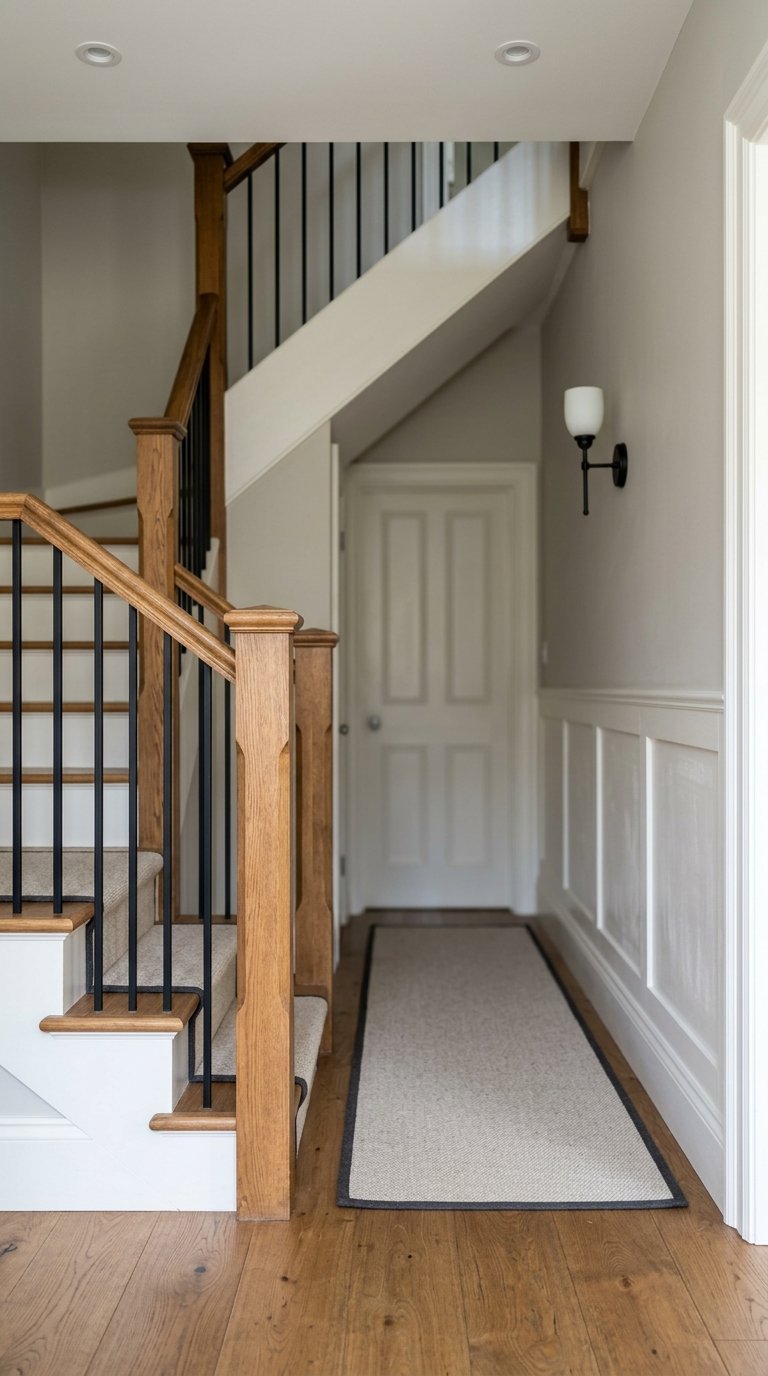
- Built-ins, staircases, and interior woodwork
- Masonry with appropriate repair methods
Aggressive masonry work can backfire. Guidance warns against cleaning or repointing methods that can damage brick or stone, so the goal should be careful maintenance, not making old materials look brand new.
Check permit requirements before you start
Before you tackle pre-listing projects, check local permit rules. Mount Morris code states that building permits are required to construct or alter any building.
That can affect projects such as window replacement, porch rebuilding, structural changes, and other visible or functional upgrades. If you do work before listing, having the right permits in place can help prevent delays and give buyers more confidence in the finished product.
Make smart updates for safety and disclosure
Older homes come with a few extra questions, and buyers know it. Handling those items early can reduce stress during negotiations.
Lead-based paint matters in pre-1978 homes
If your home was built before 1978, federal law generally requires sellers to disclose known lead-based paint and lead hazards. Buyers must also be given the opportunity to test before purchase.
If you are doing touch-up work before listing, use lead-safe work practices. Renovation, repair, or painting in older homes can create dangerous lead dust, so quick cosmetic work should still be handled carefully.
Radon is worth testing early
Radon is another issue that can affect older homes in Illinois. Public health guidance in Illinois recommends keeping indoor radon below 4.0 pCi/L, and broad map zones should not be used to decide whether an individual home needs testing.
In practical terms, if your home has a basement or crawlspace, testing before listing can be a smart move. It gives you more time to respond if mitigation is needed, instead of scrambling once a buyer is already under contract.
Illinois disclosures should be ready
In Illinois, the Residential Real Property Disclosure Report must be delivered before contract signing. Sellers also have to supplement it if something changes and the report becomes inaccurate before closing.
Having your information organized early makes the listing process smoother. It also shows buyers that you are taking the sale seriously and communicating in good faith.
Improve efficiency without losing charm
Today’s buyers like character, but they also care about comfort and operating costs. The best efficiency updates in a historic home are often the ones buyers do not notice at first glance.
National Park Service guidance supports careful weatherization that preserves historic character. Compatible improvements can include weatherstripping, insulation where appropriate, efficient lighting, low-flow plumbing fixtures, and efficient appliances.
For a Mount Morris seller, the highest-value work is often behind the scenes. Think attic insulation, air sealing, heating system service, duct sealing, basement air-leakage control, and storm-window repair or addition when it does not change the front appearance.
Low-visibility upgrades buyers appreciate
- Attic insulation
- Air sealing around common leakage points
- Furnace or boiler servicing
- Duct sealing
- Basement air-leakage control
- Storm-window repair or addition where appropriate
- Efficient lighting and low-flow fixtures
This approach helps you speak to modern buyer concerns without stripping away the details that make the home memorable.
Build a seller packet that answers questions
Historic homes tend to spark more buyer questions than newer ones. That is normal. One of the best ways to reduce hesitation is to prepare clear documentation before your home hits the market.
A strong seller packet can show buyers what has already been addressed. It can also help support your asking price by making the home’s condition easier to understand.
Include these documents and details
- Roof age or repair records
- Mechanical replacement or service records
- Electrical panel updates
- Plumbing or sewer work
- Basement waterproofing information
- Radon test results or mitigation records
- Permits for completed work
- Dates and scope of major repairs
This kind of packet is especially helpful in an older home because buyers want to verify the practical side of ownership. When they can see both the charm and the care, they are more likely to feel comfortable moving forward.
Photograph the home for story and confidence
Historic-home marketing should not look generic. Your photo strategy should highlight what gives the property its identity.
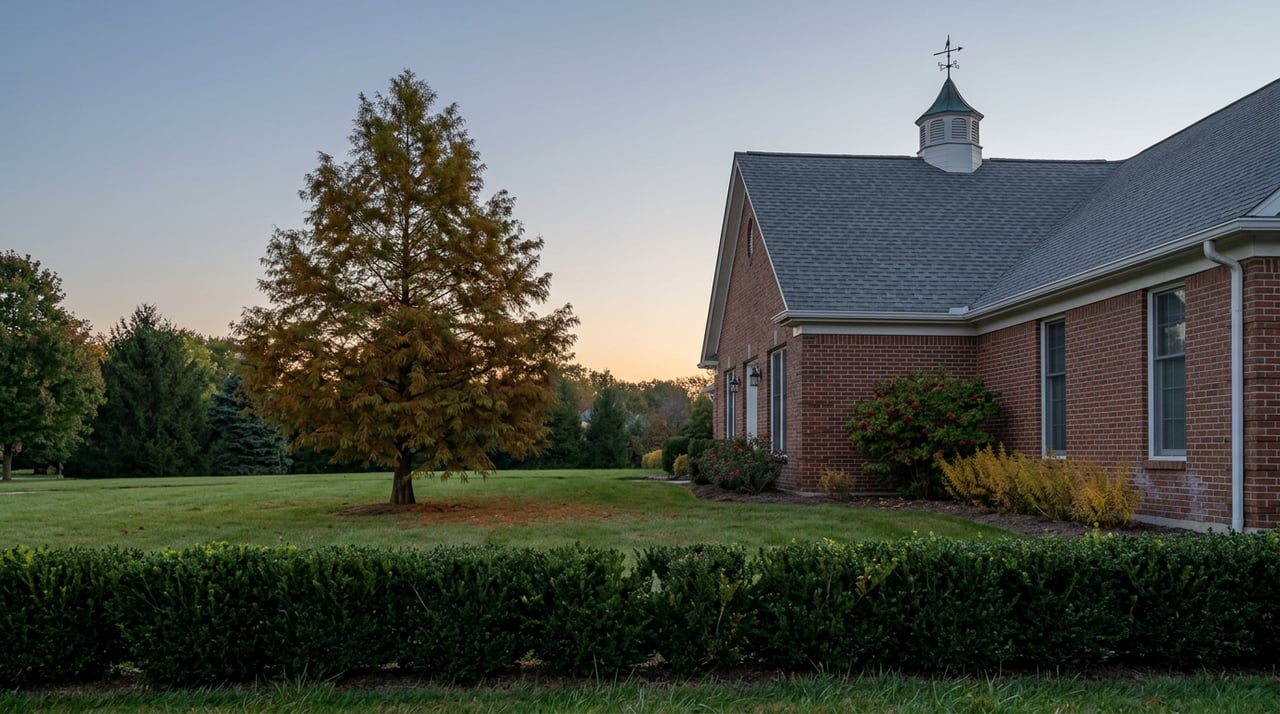
That means leading with architectural features such as rooflines, porches, masonry, original windows and doors, woodwork, staircases, and built-ins. These are the elements that tell buyers they are looking at something distinctive.
At the same time, your marketing should also reduce uncertainty. Photos and listing materials should support the home’s character, but they should also make it easy to understand the updates that matter to today’s buyers.
What to highlight in listing photos
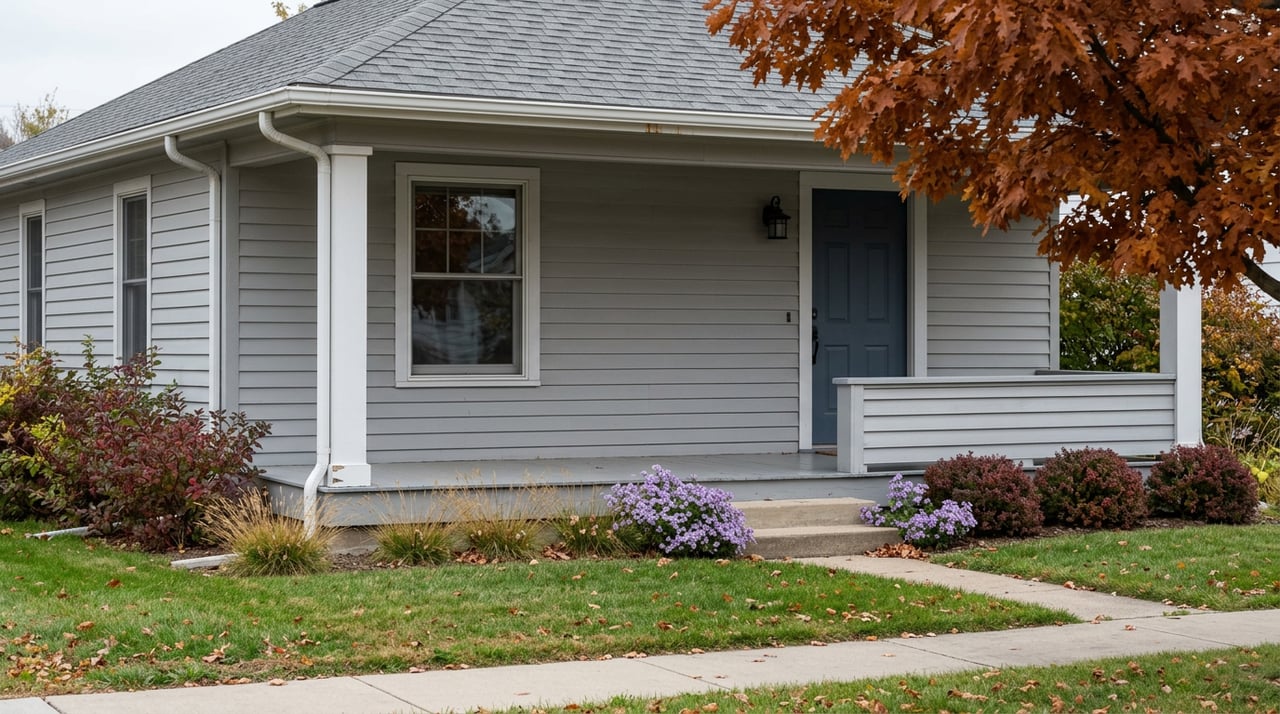
- Front exterior with rooflines and porch detail
- Masonry and original exterior materials
- Historic windows and doors
- Staircases, trim, and built-ins
- Updated mechanical areas if visually presentable
- Dry, usable basement spaces
- Functional kitchens and baths
Location photos can also support the story. In Mount Morris, official community messaging highlights the historic college square, museum, concerts, festivals, and arts identity, so nearby setting and village character can help frame the home in a way that feels true to the area.
Avoid over-improving before you list
A common mistake with older homes is spending too much on updates that erase personality or do not return enough value. Buyers looking at a historic Mount Morris property are often responding to authenticity.
Instead of trying to make the home feel brand new, aim to make it feel well cared for, functional, and honest. Clean presentation, repaired original details, documented system updates, and thoughtful efficiency work usually do more for marketability than a full cosmetic overhaul.
What buyers want from a historic home today
Most buyers are looking for a balance. They want the warmth, craftsmanship, and architectural detail of an older home, but they also want fewer surprises after closing.
Your job as a seller is to bridge those two priorities. Show them the features that make the home special, and back that up with evidence that the property has been maintained responsibly.
That is often the difference between a historic home that lingers and one that connects with the right buyer. In a place like Mount Morris, where local history is part of the appeal, that balance matters even more.
If you are getting ready to sell a historic home in Mount Morris, the best plan is usually a practical one: preserve what gives the home its identity, fix what raises red flags, and present the property with clear documentation and a strong local story. For tailored advice on pricing, preparation, and marketing in Ogle County, reach out to Carla Benesh.
FAQs
What repairs matter most before selling a historic home in Mount Morris?
- Focus first on roof condition, water intrusion, masonry, foundation or basement issues, heating and cooling, plumbing, electrical safety, and windows or doors that do not function properly.
Does National Register status in Mount Morris force a private homeowner to preserve everything?
- Usually no. Private owners generally keep ordinary property rights unless federal permits, licenses, or funding are involved, though local permit rules can still apply.
Should you replace old windows before listing a historic Mount Morris house?
- Not always. Guidance for historic properties favors repair over replacement when feasible, especially if the windows still contribute to the home’s character.
What disclosures are required when selling a home in Illinois?
- Illinois sellers must provide the Residential Real Property Disclosure Report before contract signing and update it if it becomes inaccurate before closing. Lead-based paint disclosure is also generally required for most pre-1978 homes.
Should you test radon before listing an older Mount Morris home?
- It is often a smart step, especially if the home has a basement or crawlspace, because early testing gives you time to address issues before a buyer raises them.
What energy-efficiency updates make sense in a historic home?
- Low-visibility improvements such as attic insulation, air sealing, heating system service, duct sealing, storm-window improvements, efficient lighting, and low-flow fixtures usually make the most sense while preserving historic character.