Ready to buy your first investment property in Dixon? That can feel exciting and a little intimidating at the same time, especially in a smaller market where every block and every building can tell a different story. If you want to invest wisely, this guide will help you understand Dixon’s market, the property types worth studying first, and the local questions you should ask before you buy. Let’s dive in.
Why Dixon Feels Different
Dixon is not a large metro rental market, and that matters when you are just getting started. The city’s 2024 estimated population is 15,156, with 6,394 housing units and an owner-occupied housing rate of 64.1%.
That owner-occupied share tells you something important. In Dixon, you should not assume broad rental demand across every area or property type. A beginner investor usually does better by evaluating each property carefully, one parcel and one neighborhood setting at a time.
The local numbers also support a conservative approach. Census QuickFacts lists a median gross rent of $912, a median owner-occupied home value of $120,800, median household income of $59,406, and a mean commute time of 20.7 minutes.
For you, that means rent growth and resale upside may not work the same way they do in a larger city. Operating costs, repair budgets, and vacancy planning can have a big effect on whether a property truly works.
Start With the Right Property Type
If you are new to investing in Dixon, the smartest first step is usually to focus on simpler property types with clear zoning support. That helps you reduce surprises and compare opportunities more confidently.
Single-family rentals in R-1
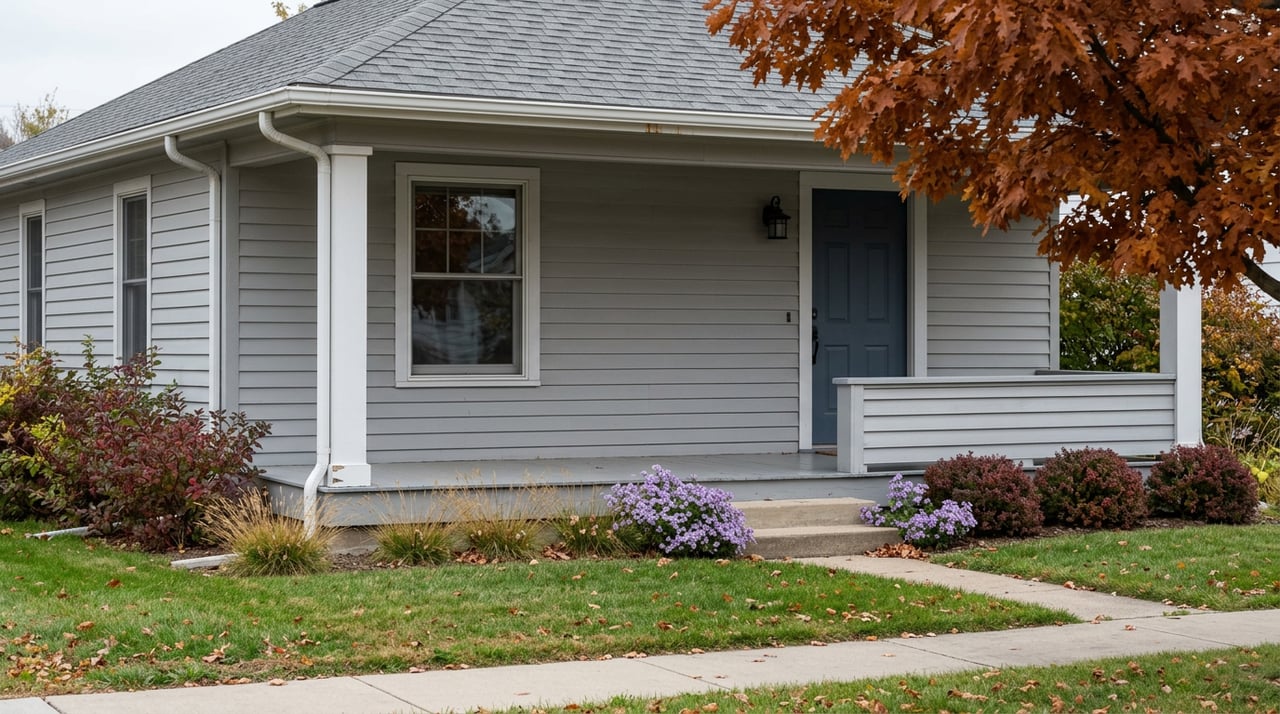
Dixon’s R-1 district is intended for single-family detached housing and limited compatible uses. For many first-time investors, a single-family rental can be the easiest way to learn how rent, maintenance, and turnover affect cash flow.
This kind of property is often straightforward to understand. You are usually tracking one unit, one household, and one set of major systems like the roof, HVAC, and water heater.
Duplexes and low-rise options in R-2
The R-2 district allows duplexes, single-family attached residences, and low-rise apartments. It also has a density cap of 12 dwelling units per gross buildable acre.
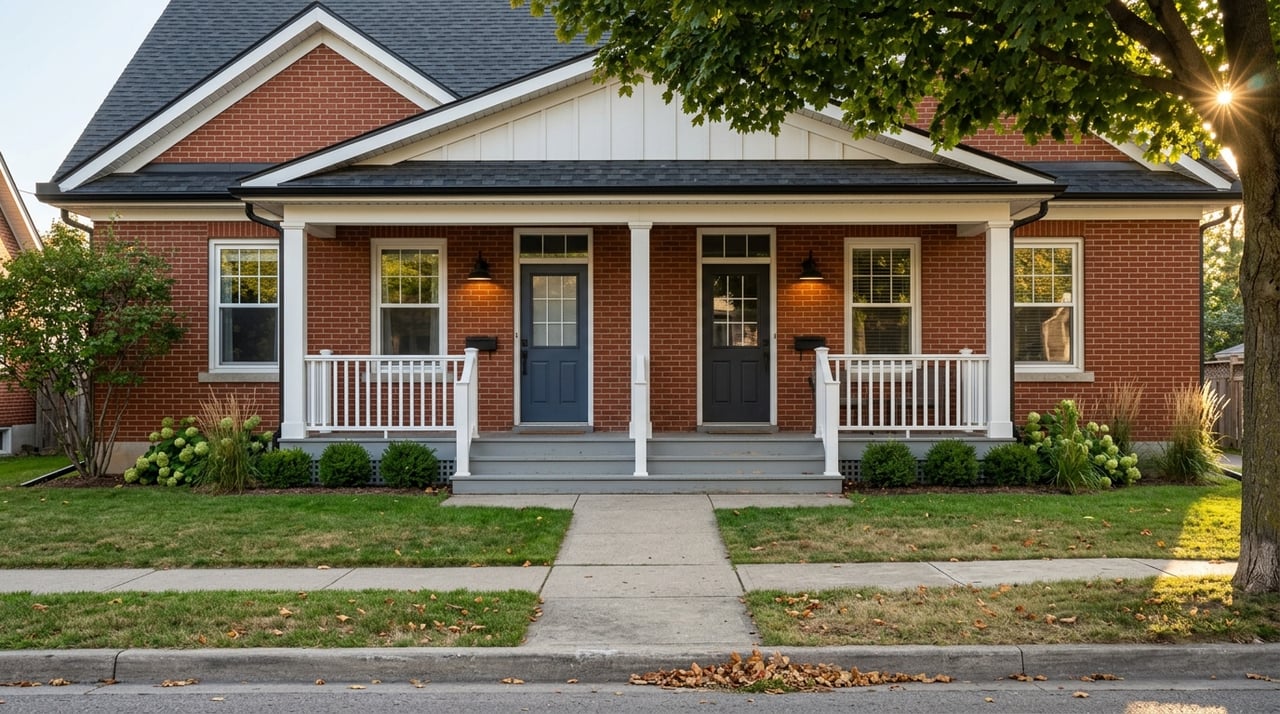
For a beginner, duplexes can offer a practical middle ground. You may get more than one income stream without taking on the complexity of a larger apartment building.
Small multifamily in R-3
Dixon’s R-3 district supports moderate-density multifamily housing, including duplexes, attached residences, low-rise apartments, and multiple-family dwellings. The district allows up to 24 dwelling units per gross buildable acre.
If you are considering a small apartment building, this is where local zoning review becomes especially important. Before you move ahead, confirm that the current and intended use fits the parcel.
Small commercial in B-1 and B-2
Dixon also offers entry points for investors looking beyond residential property. The B-1 district is designed for small-scale, pedestrian-oriented business uses that serve nearby residents, while B-2 allows a broader range of business uses.
If you are exploring a storefront, service building, or a property with possible mixed-use appeal, zoning and permit questions should come first. In a market like Dixon, commercial success often depends on location, access, and whether the use matches the district.
Follow Dixon’s Demand Drivers
A good investment property needs demand behind it. In Dixon, that demand comes from a few local activity centers rather than a single large urban engine.
I-88 and Route 26 corridor
One of the clearest economic hubs is the I-88 and Illinois Route 26 corridor. The Lee County Industrial Development Association highlights the Lee County Business Park at that intersection as shovel-ready and notes tenants such as UPM Raflatac, Raynor Garage Doors, Sewer Equipment Co., Do It Best Corp., Donaldson, Rock River Ready Mix, and AZZ Galvanizing.
That same corridor is also seeing broader commercial activity. According to LCIDA, the Dixon Gateway area has added lodging, restaurants, child care, retail, and service tenants, with more uses planned or opening.
For you as an investor, this matters because it points to where jobs, services, and customer traffic are clustering. If you are buying a rental or small commercial property, proximity to active employment and service areas can be a meaningful part of your screening process.
Downtown and riverfront activity
Dixon’s downtown and riverfront area is another place to watch. Heritage Crossing has been developed as a downtown gathering place with trails, performance space, restrooms, and public event space.
The city’s City Market also brings seasonal activity to the riverfront on Wednesdays from June through August, featuring crafters, food stands, live music, drinks, and children’s activities. For a downtown or mixed-use investor, that kind of civic programming can support foot traffic and visibility.
Still, you want to stay practical. Public activity can help tenant appeal, but each property still needs a use-by-use zoning check and a realistic income plan.
Run the Numbers Conservatively
One of the biggest mistakes new investors make is confusing gross rent with real cash flow. A property might look promising at first glance, but the full picture only shows up once you account for recurring costs.
IRS rental guidance says rental income includes both rent and certain tenant-paid expenses. It also notes that common rental expenses include maintenance, insurance, taxes, and interest, and that depreciation is part of the analysis.
That means your back-of-the-envelope math should never stop at monthly rent. You need to consider repair reserves, insurance, tax costs, financing, and the chance that a unit may sit vacant between tenants.
A simple beginner checklist
Before you get too attached to a property, review these basics:
- Expected monthly rent
- Property taxes
- Insurance costs
- Maintenance and repair reserves
- Loan payment, if financed
- Utility responsibilities
- Near-term capital items like roof, HVAC, or water heater
- Vacancy planning
In a smaller market like Dixon, conservative underwriting can protect you from buying a property that only works on paper. If the numbers are thin before repairs, they usually do not get better after closing.
Questions to Ask on Every Listing
When you review an investment property, details in the lease and the building condition can matter just as much as the asking price. Asking the right questions early can save you time and money.
Lease and tenant questions
The Illinois Attorney General recommends a written lease to help avoid misunderstandings. That makes lease review one of the first places to focus.
Ask questions like these:
- Is there a written lease?
- When does the lease end?
- Is the tenancy month-to-month or for a fixed term?
- Who pays utilities, and is that spelled out clearly?
- What does the security deposit cover?
- Have tenants paid any owner expenses directly?
These questions help you understand income stability, turnover risk, and how expenses are really being handled. They also help you spot situations where the listing income may not tell the full story.
Property condition questions
The next step is to look beyond cosmetic updates. A beginner investor should pay close attention to major systems and deferred maintenance.
Ask about:
- Roof age and condition
- HVAC age and service history
- Water heater age
- Plumbing or electrical updates
- Parking surface or exterior repairs
- Any known code-related issues
A low purchase price can lose its appeal quickly if several major items are close to replacement. In Dixon’s modest-rent environment, repair costs can have an outsized effect on returns.
Know When to Call Local Experts
You do not need to figure everything out on your own. In fact, one of the best ways to protect your first investment is to bring in the right local professionals before you remove contingencies or assume a future use will work.
Inside the city, Dixon’s Building & Zoning Department is the key first stop for use questions, permits, and code issues. The city states that the department enforces building, electrical, plumbing, mechanical, housing, and other codes, and that permits are required for major work as well as fences and some smaller projects.
If the property is outside the city in unincorporated Lee County, the county’s Building & Zoning Department can help with local zoning and building questions. That distinction matters because city and county rules are not interchangeable.
Your core first-purchase team
For most beginners, a practical support team includes:
- A local broker who understands Dixon and Lee County property patterns
- An attorney for lease, title, and legal review
- A CPA or tax preparer for rental reporting questions
- A contractor who can estimate repairs realistically
This is especially important in small-town and mixed-property markets, where zoning, use, and building condition can vary more than online listings suggest.
A Smart Way to Start in Dixon
If you are buying your first investment property in Dixon, the best path is usually the steady one. Focus on a property type you understand, verify zoning early, study local demand drivers, and run numbers that leave room for real-world expenses.
Dixon can offer solid opportunities for single-family rentals, duplexes, small multifamily properties, and certain commercial buildings. The key is to stay selective, keep your assumptions grounded, and work with local professionals who understand how this market actually functions.
When you want practical guidance on investment, multi-family, residential, land, or small commercial opportunities in the Rock River Valley, Carla Benesh can help you evaluate your options with local insight and a steady hand.
FAQs
What makes Dixon, Illinois different for first-time investors?
- Dixon is a smaller, mostly owner-occupied market, so you should evaluate properties carefully rather than assume strong rental demand across the whole city.
What property types should a beginner study first in Dixon?
- A beginner should usually start by looking at single-family rentals, duplexes, small multifamily properties, and certain small commercial buildings where zoning clearly supports the intended use.
What zoning districts matter for Dixon investment property?
- In Dixon, R-1 is tied to single-family detached housing, R-2 allows duplexes and low-rise apartments, R-3 supports moderate-density multifamily, and B-1 and B-2 apply to different types of business properties.
What should you ask about a tenant lease in Dixon?
- You should ask whether there is a written lease, when it ends, who pays utilities, what the security deposit covers, and whether tenants have paid any owner expenses directly.
Who should you contact before buying an investment property in Dixon?
- You should usually talk with a local broker, a real estate attorney, a CPA or tax preparer, and the appropriate city or county building and zoning office before moving forward.