Thinking about a move to a smaller town with river views, local events, and a housing market that still feels approachable? Oregon, Illinois offers a different pace than larger metro areas, and that is exactly why many buyers take a closer look. If you are relocating and want to understand what daily life, housing options, and commuting may look like, this guide will help you make a more confident move. Let’s dive in.
Why Oregon, IL Stands Out
Oregon is a small community in Ogle County with a population of about 3,800, according to the city’s community bike trail map. The city also describes itself as being in the heart of the Rock River Trail, which gives you a quick sense of its setting and identity.
If you are relocating from a larger city or suburb, Oregon may feel more like a compact river town than a sprawling suburban area. The downtown, parks, and riverfront play a central role in how the city functions and how residents spend their time.
For many buyers, that means a lifestyle with easier access to open space, fewer big-city pressures, and a stronger connection to local places. If that is what you are looking for, Oregon deserves a spot on your list.
What Housing Looks Like
Oregon’s housing picture points to a smaller-scale market with a strong ownership base and a practical mix of homes. An ACS-based city profile reports about 1,803 housing units and 1,773 households, with a median owner-occupied home value of about $142,600 according to Census Reporter’s Oregon profile.
For broader context, Ogle County QuickFacts shows a 74.5% owner-occupied housing unit rate, a median owner-occupied value of $184,100, and a median gross rent of $901. That countywide snapshot can help you compare Oregon with the surrounding market as you narrow down your budget.
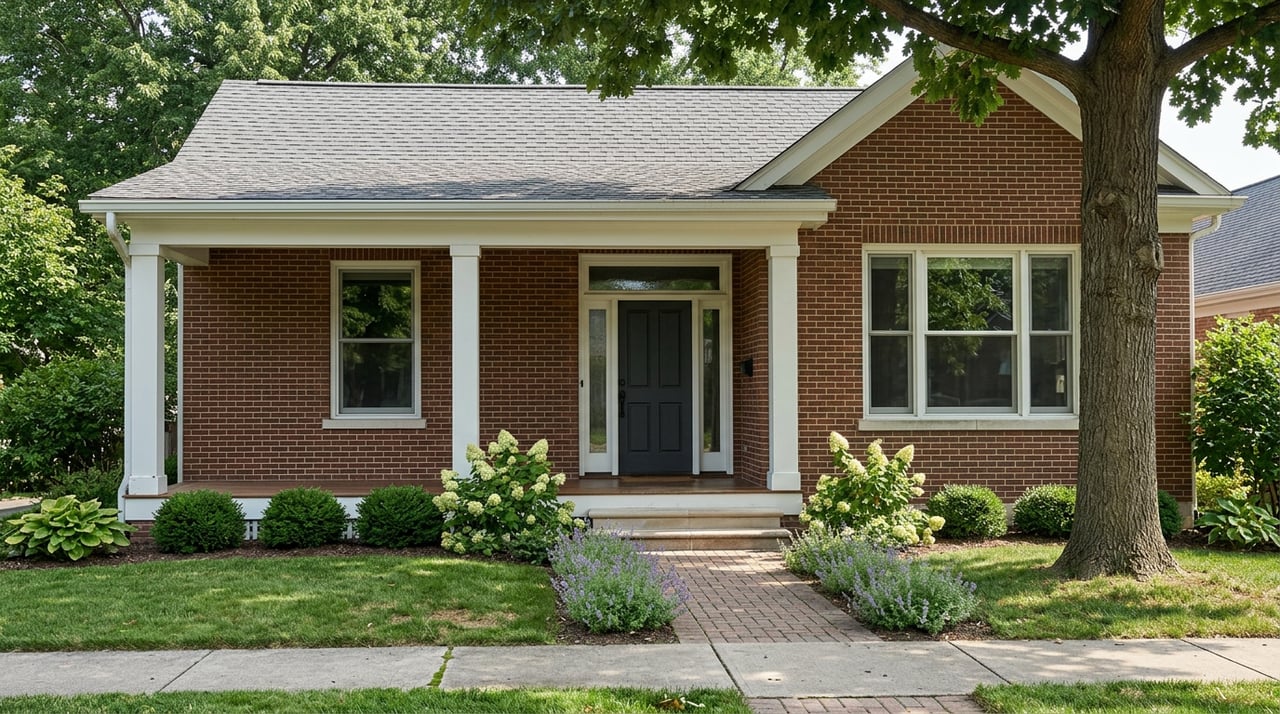
If you are wondering what types of homes are most common, the 61061 ZIP area data suggests a housing stock dominated by detached houses. City-Data ZIP information shows 2,872 one-unit detached homes, with much smaller counts for attached or multifamily properties.
Because that data is ZIP-based, it is best used as a directional guide rather than an exact city count. Still, it supports a clear takeaway: if you are moving to Oregon, you are more likely to find detached single-family homes than large apartment communities.
What Buyers Can Expect
In practical terms, Oregon may appeal to buyers who want:
- Detached homes with more traditional small-town layouts
- A market that feels more manageable than many larger communities
- Access to nearby acreage or rural-style property options in the broader region
- A setting that supports both everyday living and outdoor recreation
That can be especially helpful if you are relocating for a lifestyle change, downsizing from a busier area, or looking for a property with features that are more common in small-town northern Illinois.
Daily Life in Oregon
One of Oregon’s biggest strengths is how much community life is tied to its outdoor spaces and downtown. The city highlights a wide range of amenities in its community parks system, including baseball and softball diamonds, playgrounds, basketball and tennis courts, walking trails, sand volleyball courts, a concert area, horseshoe courts, and river fishing areas.
That gives you more than just a place to live. It gives you places to walk, gather, and enjoy time outside without needing to drive far across a large metro area.
Downtown and the riverfront are also key parts of the local experience. The city’s riverfront plan focuses on an attractive, pedestrian-friendly mixed-use district, and the Sarah Phelps Community Plaza area adds green space right in the heart of downtown.
For a small city, that combination matters. It creates a central area where events, local businesses, and public spaces come together in a way many buyers find appealing.
Local Events and Gathering Spots
Relocating is not only about the house. It is also about whether a place feels livable once the boxes are unpacked.
Oregon offers several community-oriented gathering points and events, including the Candlelight Walk, Conover Square specialty shops, and the River’s Edge Farmers Market. These kinds of places and events can help you settle in, meet people, and build routines more quickly after a move.
If you value a town where local events still matter and downtown remains part of everyday life, Oregon has that kind of feel.
Outdoor Recreation Near Oregon
If access to nature is high on your list, Oregon has a lot going for it. In addition to the city’s own parks and river access, White Pines Forest State Park is about 8 miles from town.
The park includes hiking, fishing, camping, picnicking, and cross-country skiing. The Illinois Department of Natural Resources notes that White Pines covers 385 acres of forested recreation in the Rock River valley, which expands your options well beyond the city limits.
For buyers who want a small-town home base with easy access to outdoor recreation, that is a meaningful advantage. You can enjoy day-to-day convenience in town while still being close to trails, wooded scenery, and seasonal outdoor activities.
Schools and Transportation Basics
If school logistics are part of your move, Oregon Community Unit School District 220 lists Oregon Elementary School and Oregon Junior/Senior High School. The district’s transportation department says it covers a 149-square-mile service area with 14 daily routes.
That detail can be useful as you compare neighborhoods, home search areas, and daily routines. It gives you a practical sense of how broad the district’s service area is and how transportation fits into school-day planning.
When discussing schools, it is always smart to verify the latest enrollment, attendance, and transportation information directly with the district as part of your relocation process.
Commute and Work Patterns
Oregon appears to offer moderate commute times by small-town standards. The ACS-based city profile reports a mean travel time to work of about 22 minutes, while Ogle County QuickFacts shows a county mean of 26.0 minutes.
That suggests Oregon can work well if you commute locally or travel into nearby regional job centers. It also points to a community that is more car-oriented than transit-oriented, which is common in smaller towns across this part of Illinois.
If you work remotely or on a hybrid schedule, Oregon may also be worth considering for its quieter setting and relatively manageable local travel patterns. For some buyers, that balance of calm surroundings and practical access is a major reason to relocate.
Is Oregon a Good Fit for You?
Oregon may be a strong match if you want a home in a smaller community with a clear local identity. The riverfront setting, active park system, downtown gathering spaces, and nearby state park all support a lifestyle that feels grounded and outdoors-connected.
From a housing standpoint, the area appears to lean toward detached homes and a more traditional small-town housing mix. That can be especially appealing if you want more space, a simpler pace, or access to property types that are harder to find in larger markets.
You may want to put Oregon on your short list if you are looking for:
- A small-town setting in Ogle County
- A housing market centered on detached homes
- Access to parks, trails, and riverfront recreation
- A manageable local commute pattern
- A community where downtown and local events still matter
If you are comparing Oregon with other towns in the Rock River Valley, it helps to look beyond price alone. The right move also depends on your commute, preferred property type, and the kind of daily lifestyle you want to build.
Relocating is easier when you have someone local who can help you compare options, spot value, and understand how each part of the area fits your goals. If you are considering a move to Oregon or anywhere in Ogle County, Carla Benesh can help you navigate the market with local insight and practical guidance.
FAQs
What is Oregon, Illinois like for relocation?
- Oregon is a small Ogle County river community of about 3,800 people with a downtown, riverfront identity, active parks, and access to nearby outdoor recreation.
What types of homes are common in Oregon, IL?
- Available data suggests the area is dominated by detached single-family homes, with fewer attached and multifamily options.
How affordable is housing in Oregon, Illinois?
- The ACS-based city profile reports a median owner-occupied home value of about $142,600 in Oregon, while Ogle County reports a median owner-occupied value of $184,100 and median gross rent of $901.
What outdoor activities are near Oregon, IL?
- Oregon offers local parks, walking trails, river fishing areas, and access to White Pines Forest State Park for hiking, camping, fishing, picnicking, and cross-country skiing.
What should families know about schools in Oregon, Illinois?
- Oregon Community Unit School District 220 includes Oregon Elementary School and Oregon Junior/Senior High School, and the district reports transportation service across a 149-square-mile area with 14 daily routes.
How long is the average commute from Oregon, IL?
- Oregon’s mean travel time to work is about 22 minutes, while Ogle County’s mean commute is 26.0 minutes.