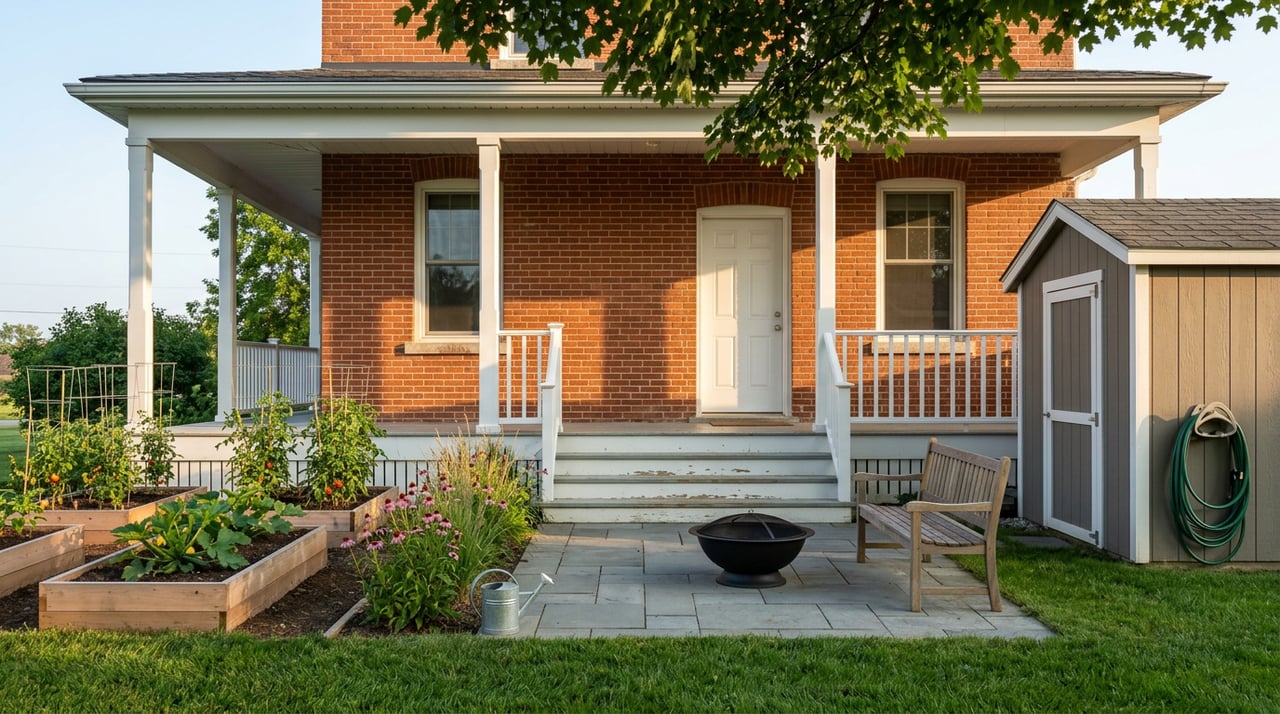
If your perfect weekend includes a quiet trail at sunrise, a picnic in the park, and room at home for a garden or workshop, Stillman Valley fits. You get a calm, small‑town setting with easy access to bigger‑city amenities when you want them. In this guide, you will see how outdoor life shapes everyday routines, what nearby parks and preserves locals love, and which home features matter most for a rural lifestyle. Let’s dive in.
Stillman Valley at a glance
Stillman Valley sits in Ogle County with a classic small‑village feel and a strong sense of place. You are within a short drive of Rockford for shopping and healthcare, while Chicago is doable for a day trip. The nearest airport is Chicago Rockford International, which keeps travel simple for work or family visits.
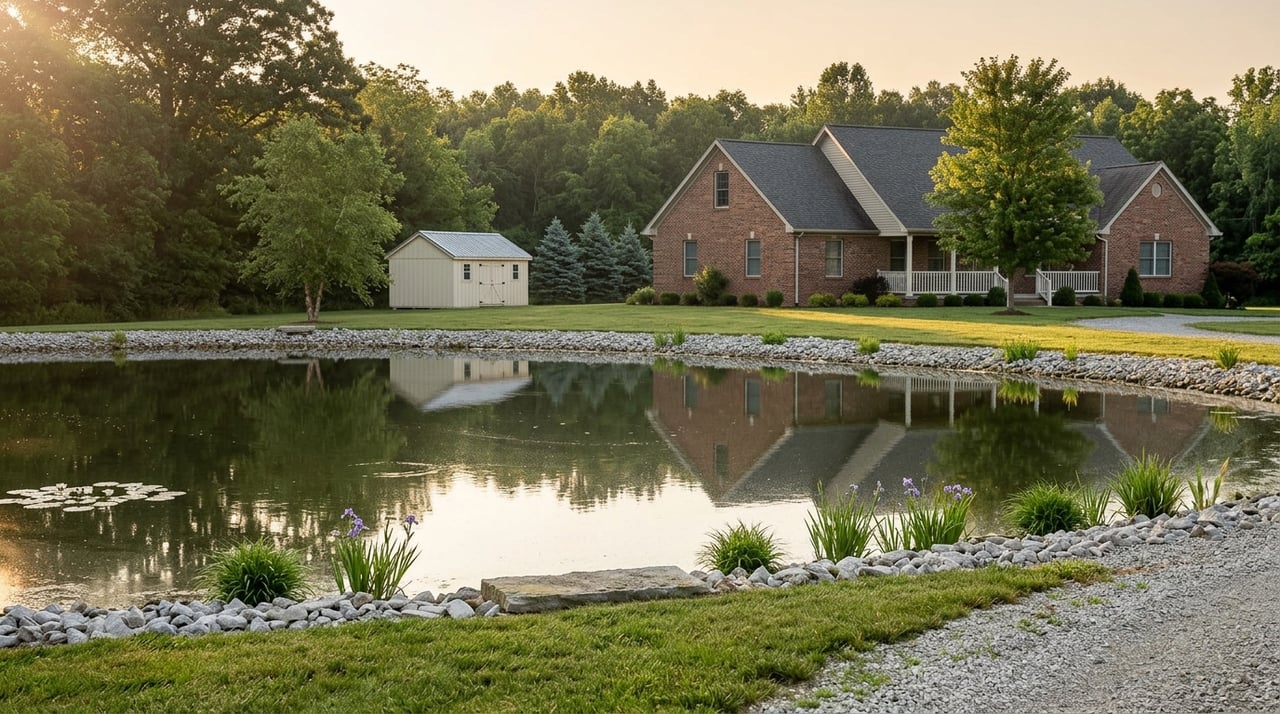
For commuting, Rockford is about 14 miles away, often a 20 to 30 minute drive depending on route and traffic according to distance guidance. Recent regional indexes show typical home values in the mid $200Ks, and local inventory often includes acreage, outbuildings, and hobby‑friendly spaces. You will find everything from in‑town homes with larger yards to multi‑acre parcels just outside the village.
Parks and local traditions
Village parks you will use often
Three small but well‑loved parks sit right in town. Recreational Park offers a pavilion and playground that work well for picnics and casual gatherings. Monument Park and Ropp Park add green space for quick playtime or a quiet bench break. You can find park details and reservation info on the Village of Stillman Valley parks page.
Festivals that anchor the calendar
Two annual events bring neighbors together. The Stillman Valley Fall Festival in late September features a parade, car show, music, and family activities. Early December brings the Cardinal Community Christmas, a festive kickoff to winter. Check dates and schedules on the Stillman Valley Fall Festival site.
Trails and day trips
Byron Forest Preserve and Jarrett Prairie
A local favorite for hiking, equestrian trails, and family programs, the Byron Forest Preserve and Jarrett Prairie Center offer year‑round activities like trail runs, nature education, and seasonal workshops. It is a quick drive from Stillman Valley and fits an easy after‑work loop or Saturday morning hike. Explore highlights through this regional overview of Byron Forest and Jarrett Prairie.
White Pines Forest State Park
For shady summer hikes and quiet winter cross‑country skiing, White Pines Forest State Park delivers. Short trails, a campground, and a lodge make it approachable for families. The area also protects one of the southernmost stands of native white pines in Illinois, which adds to its appeal for nature lovers. Read the conservation background from the Illinois Department of Natural Resources.
Lowden State Park and Rock River views
In nearby Oregon, Lowden State Park offers scenic overlooks of the Rock River and access for paddling and fishing. It is also known for Lorado Taft’s historic riverside statue. Learn more from the Lowden State Park overview.
Bigger weekend adventures
If you want a full day out, Starved Rock and Matthiessen near Oglesby are classic northern Illinois hikes with canyons, seasonal waterfalls, and wide views. They are within practical driving range for a Stillman Valley day trip and pair well with simple picnic plans.
On the water
The Rock River corridor is part of a recognized regional water trail with public access points for canoeing and kayaking. That makes it easy to plan an afternoon paddle or a longer point‑to‑point route. For background and planning context, review the Rock River Water Trail initiative summary.
Prairie and birding
Nachusa Grasslands, a 4,000‑plus acre prairie restoration with public hiking areas and a bison herd, sits within a short drive. It is a magnet for birders, photographers, and anyone who enjoys open‑sky landscapes. Get visitor details from The Nature Conservancy’s Nachusa Grasslands page.
Family cycling and casual rides
For paved community trails and easy family rides, the Oregon Park District maintains a straightforward system in nearby Oregon. It is a good midweek option when you do not have time for a bigger outing. See the Oregon trail system overview.
How outdoor life shows up at home
You will notice certain property features come up again and again in the Stillman Valley area. They shape daily routines, storage needs, and how you enjoy your land.
- Lot size and yard space. Outside the village limits, many homes sit on larger lots or acreage. Inside the village, parcels are smaller but still often roomier than dense subdivisions. Confirm exact parcel size with county records before you write an offer.
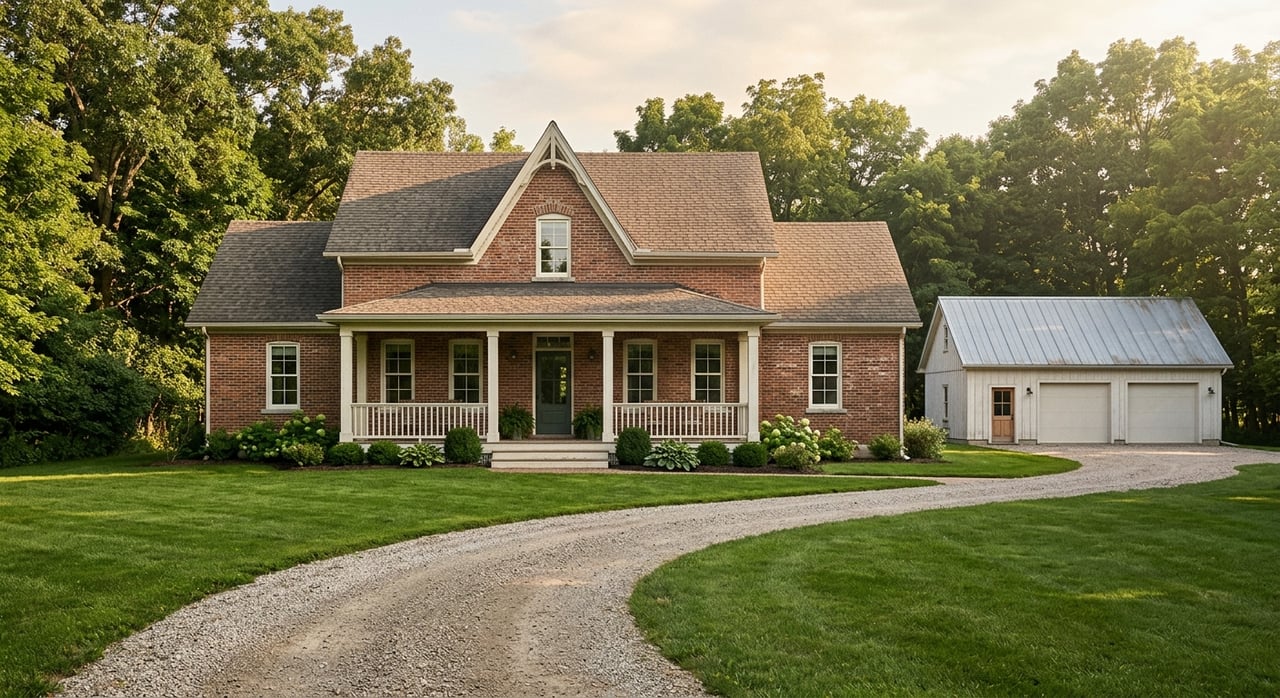
- Outbuildings and storage. Detached garages, pole barns, and workshops are common and highly valued. If you have ATVs, tractors, kayaks, or woodworking gear, look for buildings with power, concrete floors, and accessible doors.
- Wells and septic. Many rural homes use private wells and private wastewater systems. Ask for well logs, septic permits, and any recent tests. Ogle County’s Environmental Health division can point you to records and permit guidance. Review the county’s Environmental Health resources.
- Driveways and winter reliability. Long driveways are typical on acreage. Check surfacing, culverts, and who maintains the road or plows during heavy snow. Good access matters in January.
- Gardens, orchards, and hobby space. The region supports vegetable gardens, small orchards, and beekeeping. Program calendars at nearby preserves often include nature and homestead‑friendly topics, which makes it easy to learn and connect with others.
Practical features to watch for on listings
- A mudroom or durable entry for snowy, muddy seasons
- Heated or insulated garage or shop
- South or west yard exposure for patios and gardens
- Fenced areas for pets or small livestock
- Low‑maintenance native landscaping or established garden beds
- Clear documentation of well and septic, or confirmation of municipal connections
Seasons and maintenance
Northern Illinois gives you four distinct seasons. Expect warm, humid summers suitable for paddling and picnics, crisp falls with prime hiking, and cold winters with snow that invites cross‑country skiing. Spring can bring heavy rains and snowmelt, which is why drainage and erosion control matter around homes and barns. These patterns shape daily life, from what you store in your outbuildings to how you plan weekend activities.
If you are new to the area, build a simple seasonal checklist. In spring, check grading around the home and clean gutters. In summer, service mowers and trim trees before storm season. In fall, winterize outdoor faucets and set up snow equipment. In winter, monitor ice dams and keep walkways clear.
A quick buyer checklist for rural due diligence
Doing your homework up front saves stress during escrow. Use these prompts as a starting point.
- Jurisdiction. Is the property inside village limits or in unincorporated Ogle County? Village parcels may have municipal services and different rules than county parcels. For local services and contacts, see Village of Stillman Valley resources.
- Wells and septic. Ask for well construction details, water test history, septic permits, and recent pumping or inspection records. The county’s Environmental Health division is a good point of contact for permits and questions. Start with the Ogle County Environmental Health page.
- State codes. Private wells and sewage systems follow state standards. You can review relevant statutes and rules through the Illinois Department of Public Health laws and rules index.
- Outbuildings and zoning. Barns, pole buildings, and farm structures often have setback and use rules. Confirm permitted uses and any conditional approvals with Ogle County Planning and Zoning.
- Driveway and right‑of‑way. New or modified driveways may need permits and culvert installations. Ask for documentation if access was recently added or changed.
Getting around and everyday convenience
Life in Stillman Valley blends quiet days at home with quick trips for errands and events. Rockford shops and services are close enough for weekday runs, while bigger adventures like Starved Rock call for a weekend plan. If you work in Rockford, the daily drive is manageable for many commuters based on distance guidance. When you need to fly, Chicago Rockford International Airport keeps regional and some international trips within easy reach.
How a local expert helps you buy or sell
Rural and small‑town properties ask different questions than in‑city homes. You want an agent who can speak to wells and septic, barns and outbuildings, acreage value, and county‑level permits with confidence. With 32 plus years in the Rock River Valley and Ogle County region, a locally rooted broker can spot both lifestyle wins and potential red flags before you commit.
If you are thinking about Stillman Valley, you deserve guidance that matches the way you live. For a clear plan to buy or sell, reach out to Carla Benesh. You will get practical advice, market‑smart pricing, and hands‑on support from offer to closing.
FAQs
What outdoor recreation is near Stillman Valley?
- You have quick access to village parks, the Byron Forest Preserve and Jarrett Prairie for trails and programs, White Pines Forest State Park for hiking and skiing, and the Rock River for paddling.
Where can you launch a kayak near Stillman Valley?
- The Rock River corridor includes multiple public access points within a short drive. The Rock River Water Trail overview provides planning context for routes and put‑ins.
Which home features matter for acreage buyers in this area?
- Look for outbuildings with power, well and septic documentation, a durable mudroom, fenced areas for pets or small livestock, and good driveway access with snow plans.
How far is Stillman Valley from Rockford and Chicago?
- Rockford is about 14 miles, often a 20 to 30 minute drive based on distance guidance. Chicago is roughly 1.5 to 2 hours by car, depending on route and traffic.
Do many rural homes use wells and septic in Ogle County?
- Yes. Outside village service areas, private wells and private wastewater systems are common. Ask for permits, logs, and recent tests, and review the county’s Environmental Health resources.
What are the best seasons for local hiking?
- Spring and fall offer comfortable temps and colorful scenery. Summer works well for shaded trails and water activities. Winter can be great for cross‑country skiing at nearby preserves.