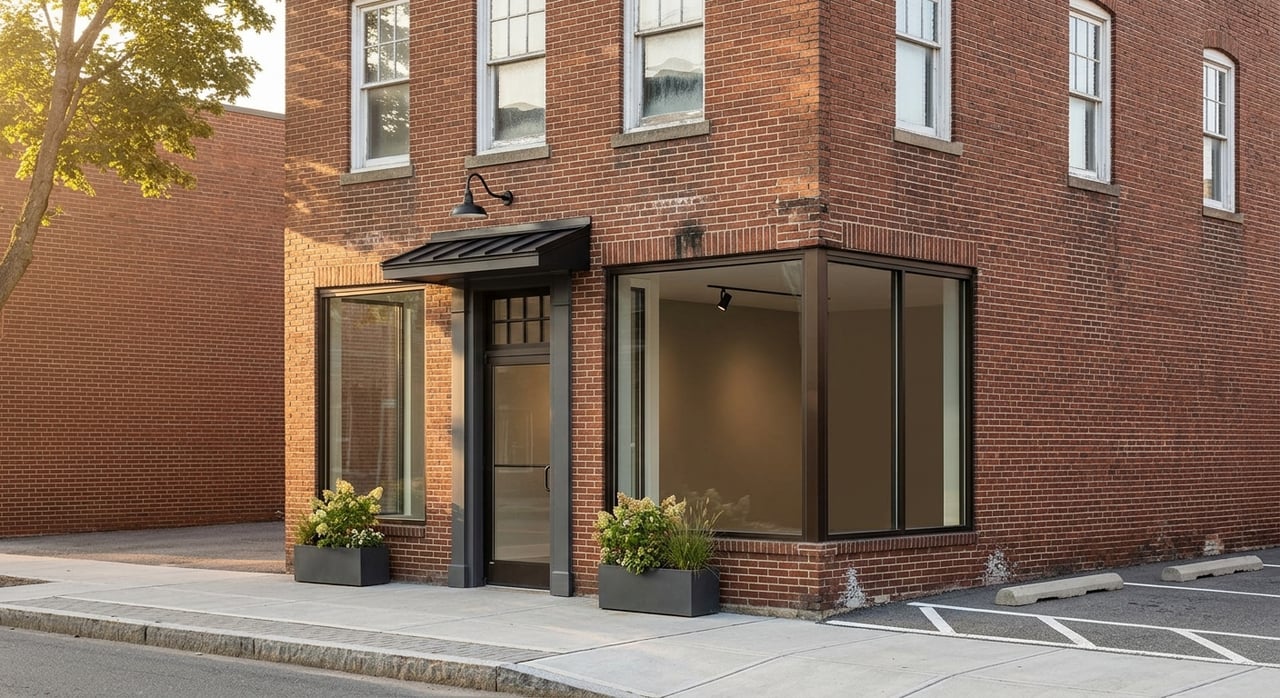
Are you thinking about opening, moving, or investing in commercial property in Byron? In a small-town market, the right location and the right building can make a big difference in how smoothly your plans come together. If you want a clearer picture of what fits Byron, what to check before you sign, and how to avoid costly surprises, this guide will walk you through the essentials. Let’s dive in.
Why Byron Appeals to Small Businesses
Byron is a city of 3,784 residents in Ogle County, with a location along the Rock River about 88 miles west of Chicago and 12 miles south of Rockford. The city describes itself as having a friendly rural character, which helps explain why commercial real estate here feels more practical and relationship-driven than fast-paced or highly dense.
That local scale matters. The Byron Area Chamber of Commerce serves more than 150 businesses and organizations, which points to an active business community for a city this size. If you are looking at commercial property in Byron, you are stepping into a market where local visibility, functionality, and reputation often matter as much as square footage.
What Commercial Property Fits Byron Best
Byron’s comprehensive plan points to a few clear commercial patterns. The city identifies downtown Second Street and Blackhawk Drive, also known as Route 2, as the primary commercial activity areas. Each area supports a different type of business need.
In practical terms, Byron is often a good fit for:
- Small storefronts
- Service businesses
- Professional offices
- Food-related uses
- Mixed-use opportunities
- Light industrial or warehouse-style properties
- Storage, distribution, and related commercial service uses
This is not a market that naturally centers on large-format retail. Instead, it tends to favor properties that serve local demand, support efficient operations, and match the scale of the community.
Byron Commercial Areas to Know
Downtown Second Street
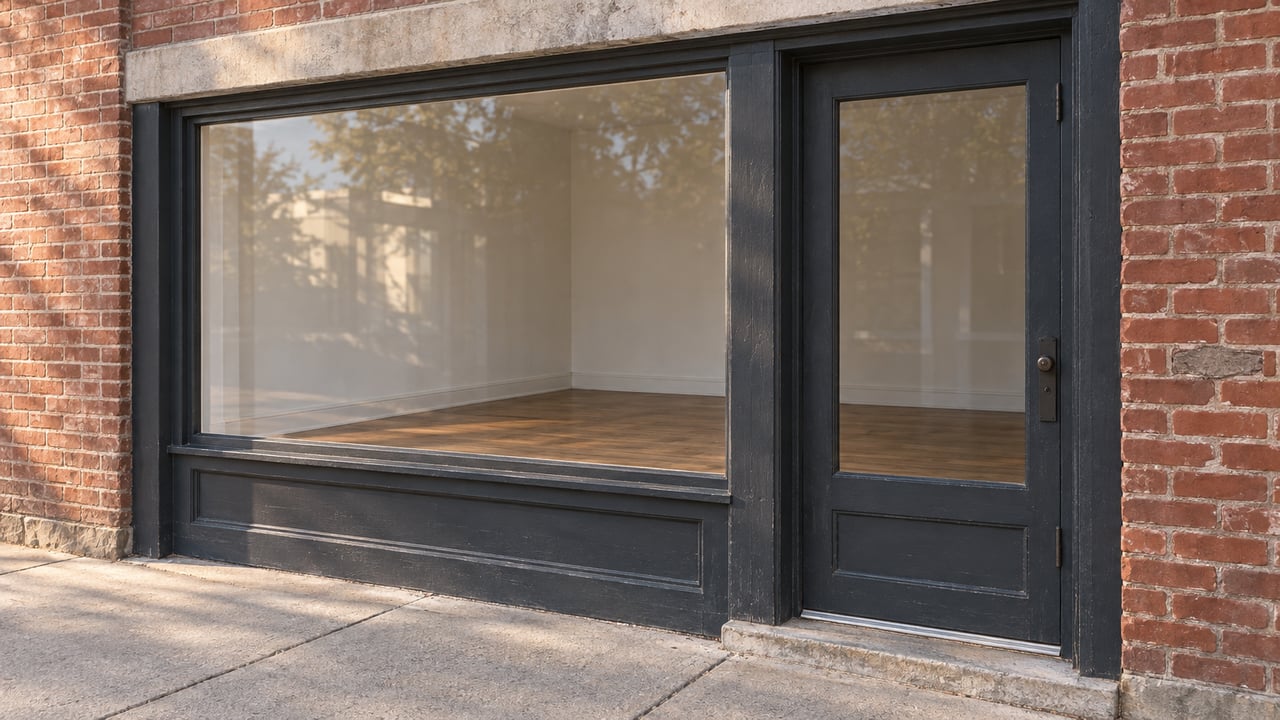
The city describes downtown as a pedestrian-oriented shopping and service area. That makes it a logical starting point if your business depends on walk-in traffic, street presence, or a traditional storefront setting.
Downtown can also offer character that newer properties may not have. At the same time, older buildings may bring more renovation complexity, especially when systems, layouts, or exterior conditions need updating.
Blackhawk Drive Route 2
Blackhawk Drive is described in the city’s plan as a vehicular-oriented shopping and service area. If your business relies more on drive-by visibility, easier access, and convenient parking, this corridor may be a better fit.
For many users, the appeal here is straightforward. Customers can often get in and out more easily, and the layout may be more practical for uses that need simple access rather than a downtown setting.
River-Oriented and Mixed-Use Opportunities
The city’s planning framework also points to river-oriented commercial and mixed-use opportunities. Depending on your goals, that can open the door to properties that combine business use with a more location-specific concept.
If you are exploring this category, it is especially important to confirm how the site is zoned, what improvements may be needed, and whether your intended use matches city requirements.
How to Match the Property to Your Business
When you first start looking, it helps to think beyond price alone. In Byron, the best commercial property is usually the one that lines up with how your business operates day to day.
Ask yourself a few practical questions:
- Do you need foot traffic or drive-by exposure?
- How important is customer parking?
- Will you need loading, storage, or warehouse space?
- Does the building layout support your use without major changes?
- Are utility capacity and site access adequate for your operations?
- Will signage be important to your visibility?
A charming building can still be the wrong fit if parking is tight, access is awkward, or buildout costs climb too high. Starting with function can save you time and money.
Permits and Approvals to Plan For
One of the biggest mistakes buyers and tenants make is assuming a commercial property is ready to go just because it is available. In Byron, opening or reworking a site may involve multiple approvals, so early planning matters.
The Building & Zoning Department oversees land use and development within city limits, and the city states that a building permit is required before construction begins. Depending on the project, the permit process may require plans and sometimes a survey or site drawing.
Byron’s posted fees include:
- Commercial new-construction fees of $0.25 per square foot for finished space
- Commercial new-construction fees of $0.10 per square foot for unfinished or storage space
- Mechanical inspection fees
- Sign permit fees
- Curb-cut permit fees
- Right-of-way excavation permit fees
- Zoning fees for variances, map amendments, and special use permits
The city also has a business-license application with a $25 fee. If your business includes food service, the city notes that restaurants can apply for a sidewalk cafe and outdoor dining permit from April 1 through November 1 for $50 per year.
The key takeaway is simple. Your timeline should account for zoning review, permits, inspections, and any site-specific approvals before you plan an opening date.
Parking, Access, and Infrastructure Matter
In a market like Byron, property performance often comes down to everyday usability. Visibility is important, but parking, access, and infrastructure can matter just as much.
Byron Public Works maintains 16 miles of city streets, including street parking, along with 3 city parking lots. The city also maintains 31 miles of water main, 20 miles of sewer, 5 lift stations, and the wastewater treatment facility. Those basics support business activity, but each property still needs to be evaluated on its own.
The city’s comprehensive plan specifically notes the need for adequate parking for existing and proposed commercial uses. City council agendas from 2026 also show that downtown parking remains an active topic, which tells you this is not a detail to overlook.
Before you commit, look closely at:
- Customer parking availability
- Employee parking needs
- Delivery and loading access
- Ingress and egress
- Water and sewer capacity
- Sign placement options
- Any curb-cut or right-of-way issues
These details may not be flashy, but they can shape how well your business functions from day one.
Renovation Risk in Older Buildings
Older commercial buildings can offer location and character, especially downtown. They can also bring hidden costs that affect your budget and schedule.
City discussions in early 2026 around the downtown TIF assistance for Sundae Social at 114 W. Second Street highlighted the challenges of renovating 100-year-old buildings. Those discussions also showed that façade improvements and, in some cases, interior work can be part of local redevelopment conversations.
That does not mean older buildings should be avoided. It means you should go in with open eyes, realistic timelines, and a clear understanding of what the property may need.
If your project requires electric service changes, Byron’s building permit materials point applicants to utility guidance for service upgrades. That is another reason to build extra time into your schedule before closing or occupancy.
Leasing vs Buying in Byron
If you are just getting started with commercial property in Byron, one of the first decisions is whether to lease or buy. The right answer depends on your cash flow, your long-term plans, and how much control you want over the property.
Leasing can be a smart choice if you want flexibility or lower upfront cash needs. It may also make sense if you are testing a concept, entering the market for the first time, or trying to avoid the responsibilities that come with ownership.
Buying may be a better fit if you want long-term stability, more control over the property, and the chance to build equity. The IRS also draws a tax distinction between rent and ownership, noting that rent may be deductible as a business expense, while owners may be able to depreciate qualifying property they purchase.
Before choosing either path, verify the basics:
- Is the intended use allowed on the site?
- Is the parking adequate?
- What permits will be required?
- How much buildout risk is in the building?
- Is utility capacity sufficient?
- Could the property qualify for local assistance such as TIF?
In a small market, the wrong property can tie up time and capital quickly. The right property can support your business for years.
A Smart First-Step Checklist
If you want to approach Byron commercial property with more confidence, start with a simple process.
Define Your Must-Haves
List the features your business truly needs. Think about size, layout, parking, visibility, storage, delivery access, and budget.
Narrow the Best Location Type
Decide whether your business is a better match for pedestrian-oriented downtown space, a drive-by corridor like Blackhawk Drive, or another commercial setting supported by the city’s planning framework.
Confirm Allowed Use Early
Check with Byron Building & Zoning before you get too far along. A property that looks right on paper may still need additional approvals for your intended use.
Review Improvement Costs
Look at likely renovation needs, including signs, access, utility changes, or interior reconfiguration. Older properties may need more work than expected.
Build a Realistic Timeline
Permits, inspections, and service changes can add time. It is better to plan for that early than be surprised later.
Why Local Guidance Helps
Commercial property in a small-town market is rarely just about finding an available building. It is about understanding the corridor, the city process, the tradeoffs between lease and ownership, and the practical features that support your goals.
That kind of decision-making benefits from local experience. When you work with someone who understands Byron, Ogle County, and the broader Rock River Valley market, you can sort through options with a clearer view of what makes sense now and what may hold value over time.
If you are exploring retail space, a small business location, warehouse property, or a commercial investment in Byron, Carla Benesh can help you evaluate your options with practical local insight and steady guidance.
FAQs
What types of commercial property are common in Byron, Illinois?
- Byron is generally a good fit for small storefronts, service businesses, professional offices, food uses, mixed-use opportunities, and some light industrial, storage, distribution, or warehouse-style properties.
Where are the main commercial areas in Byron?
- Byron’s comprehensive plan identifies downtown Second Street and Blackhawk Drive Route 2 as the city’s primary commercial activity areas.
Do you need permits before starting a commercial project in Byron?
- Yes. The city says a building permit is required before starting construction, and some projects may also involve zoning review, plans, surveys, sign permits, curb-cut permits, or other approvals.
Is downtown Byron a good place for a small business?
- Downtown Second Street may be a strong fit if your business benefits from pedestrian visibility, storefront presence, and a traditional commercial setting.
What should you check before leasing commercial space in Byron?
- You should confirm whether your use is allowed, whether parking and access work for your business, what permits are needed, how much buildout may cost, and whether the site has the utility capacity you need.
Is buying commercial property in Byron better than leasing?
- It depends on your goals. Leasing may offer flexibility and lower upfront costs, while buying may offer more control, long-term stability, and the opportunity to build equity.