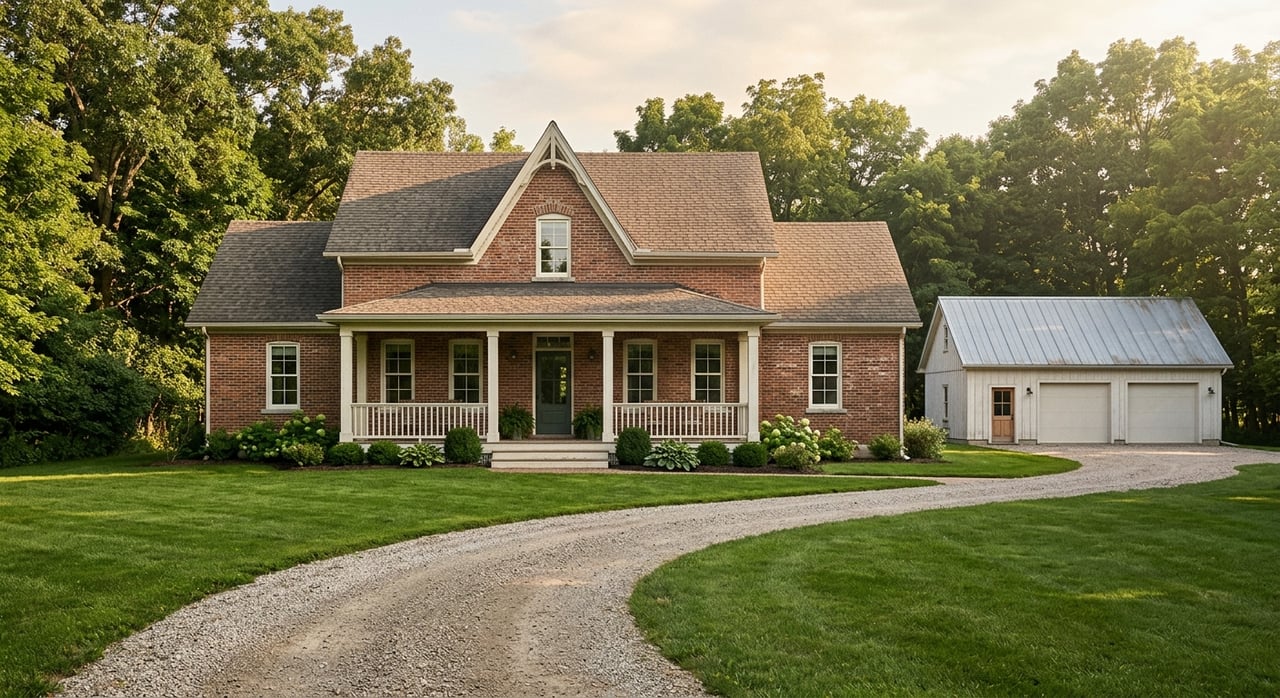
Wondering why selling a small acreage home in Stillman Valley can feel harder than selling an in-town house? You are not just selling bedrooms and bathrooms. You are also selling land, access, outbuildings, utilities, and a rural lifestyle that buyers want to understand clearly before they make an offer. If you want a smoother sale and a stronger price, it helps to prepare for the questions that matter most. Let’s dive in.
Why small acreage sells differently
A small acreage property usually attracts a different buyer pool than a standard residential listing. Buyers often care just as much about the driveway, barn, shed, yard layout, and usable ground as they do about the home itself. That means your marketing and pricing need to show the full property, not just the house.
In Stillman Valley, that difference matters even more because rural features can push values above broader county numbers. Realtor.com currently shows a median listing price of $275,000 in Ogle County and $450,000 in Stillman Valley, with 9 homes for sale. Redfin shows a recent Ogle County median sale price of $214,357 for the three months ending May 2026, which shows why acreage-specific comparisons matter.
Start with location and local rules
Before you list, confirm whether your property is inside the Village of Stillman Valley or in unincorporated Ogle County. That one detail can affect permits, improvements, and what you can accurately present to buyers. It also helps avoid confusion later during inspections and closing.
The Village of Stillman Valley says building permits are required for projects such as storage sheds, fences, driveways, decks, swimming pools, and more. Ogle County zoning also treats accessory structures as subordinate uses and says they should not be placed in required easements or where they violate well-code requirements. If you have added improvements over the years, gather the paperwork now.
Ogle County’s zoning purpose is also clearly rural. The county states that its ordinance is intended to conserve land and building value, protect agricultural pursuits, prevent scattered urbanization, and maintain rural community values. For sellers, that means the land layout and legal use of improvements are part of the value story.
Prepare the property as a whole
A small acreage home needs more than a tidy kitchen and clean living room. Buyers want to understand how the entire parcel works. The easier your property is to read at a glance, the easier it is for buyers to picture themselves living there.
Start with the usual residential basics:
- Deep clean the home
- Declutter each room
- Freshen curb appeal
- Trim overgrowth near the house
- Mow open areas buyers will walk
- Clear access to sheds, garages, barns, and driveways
On acreage, presentation should reduce confusion. If a path leads to an outbuilding, make sure it feels usable and easy to follow. If part of the yard or lot line is easy to miss, your agent can help decide how to show it clearly during photos and showings.
Organize surveys, maps, and records
One of the first buyer questions is simple: What exactly am I buying? That is why property documents can be a major advantage when selling acreage.
A plat of survey is especially useful because it can show acreage, legal description, old fencing, property lines, and corner posts. Ogle County GIS can also be searched by name, address, or PIN and can display tax, owner, building, zoning, and map information. When buyers can quickly understand the parcel, they tend to feel more confident.
Try to gather these items before listing:
- Current plat of survey, if available
- Parcel identification number
- Permit records for sheds, fences, decks, driveways, or other improvements
- Tax information
- Well testing records
- Septic inspection and pumping records
- Any paperwork related to zoning or past approvals
Address well and septic questions early
If your property has a private well or septic system, buyers will likely ask about both. Clear records can help reduce uncertainty and keep a deal moving.
The Illinois Department of Public Health says regular well testing is the owner’s responsibility and recommends testing at least yearly for bacteria and nitrate. It also notes that many contaminants can only be detected by lab testing. If your well has not been tested recently, this is worth addressing before your home goes on the market.
For septic systems, the Illinois EPA says septic systems are the homeowner’s responsibility, should be inspected annually, and pumped every two to three years. Ogle County’s health department says septic systems must comply with the Illinois Private Sewage Disposal Code and county ordinance. If you have service records and pump receipts, keep them together for easy review.
Price with acreage in mind
Pricing a small acreage property takes more care than applying a standard neighborhood formula. A buyer is not just comparing your home to another house down the street. They are comparing usable land, frontage, utility type, outbuildings, and condition.
A strong pricing approach separates the value of the house, the usable land, and the improvements. That includes features like barns, detached garages, fencing, driveways, and site layout. County median numbers can give you context, but they should not be used as a shortcut for pricing.
This is especially true in a place like Stillman Valley, where listing prices can sit well above broader county figures. Rural properties may carry added value, but that value depends on details. Acreage, access, condition, and legal use all shape what buyers are willing to pay.
If part of your acreage is true farmland, taxes may also be handled differently. Illinois Extension notes that farmland is assessed on agricultural use value rather than market value, while personal residences are taxed on fair market value. That distinction can matter when buyers ask how the land is classified and taxed.
Market the land, not just the house
A strong small acreage listing should show how the house sits on the parcel. Buyers want to see the relationship between the home, driveway, yard, open ground, and outbuildings. If your marketing focuses only on interior rooms, you may miss the features that make the property special.
Good listing marketing often includes:
- Professional photography
- MLS exposure
- Yard signage
- Social media promotion
- Open houses, when appropriate
- Competitive pricing strategy
For acreage homes, visual storytelling matters even more. Seasonal photography can be useful if your property looks especially strong at certain times of year. Drone photos or video can also help show the layout, access, and full spread of the parcel in a way that ground-level photos cannot.
Highlight features buyers actually value
When you sell a small acreage property, practical details often matter more than broad descriptions. Buyers want to know how the property functions day to day.
Focus on clear, useful features like:
- Size and placement of outbuildings
- Condition and access of the driveway
- Open yard versus wooded or fenced areas
- Storage capacity
- Space for equipment or hobbies
- Layout of the house in relation to the land
- Main-floor living, if applicable
This kind of detail fits the way rural and small-town buyers often shop. They are not just buying a look. They are buying usability.
Be ready for buyer due diligence
Acreage buyers often ask more detailed questions than typical residential buyers. That is normal, and being ready can make your home stand out.
Common buyer questions include:
- What is the exact acreage?
- Where are the property lines?
- Were the shed, fence, barn, or driveway permitted?
- What is the condition of the well?
- When was the septic system last inspected or pumped?
- How is the land taxed?
- What uses are allowed under local zoning?
The more clearly you can answer these questions, the more confidence buyers tend to have. Confidence can support stronger offers and fewer surprises during the contract period.
Why local acreage experience matters
Selling a small acreage home in Stillman Valley takes more than standard listing advice. You need local knowledge, careful pricing, and marketing that treats the land and improvements as central features rather than afterthoughts.
That is where experience helps. A broker who understands Ogle County properties can help you position the home correctly, gather the right information, and present the property in a way that speaks to the right buyers. If you are thinking about selling and want practical guidance tailored to your acreage home, connect with Carla Benesh.
FAQs
What makes selling a small acreage home in Stillman Valley different from selling a regular house?
- A small acreage property includes more variables, such as land use, outbuildings, access, well and septic systems, and parcel layout, so buyers usually need more detailed information before making an offer.
What records should you gather before listing a Stillman Valley acreage home?
- Try to collect a survey or plat, parcel information, permit paperwork, tax records, well test results, septic service records, and any zoning-related documents that help explain the property.
What do buyers ask about well and septic systems in Ogle County?
- Buyers often ask about recent well testing, septic inspections, pumping history, and whether the systems have been maintained according to state and county guidance.
What local rules matter when selling acreage in Stillman Valley?
- You should confirm whether the property is in the Village of Stillman Valley or unincorporated Ogle County, because permit requirements and zoning rules can differ by location.
How should you price a small acreage home in Stillman Valley?
- Pricing should consider the home, usable land, outbuildings, access, utilities, and condition rather than relying only on standard residential comparisons or county median figures.
Why is a survey helpful when selling acreage in Stillman Valley?
- A survey or plat can help show acreage, legal description, property lines, fencing, and corner posts, which gives buyers a clearer picture of what they are purchasing.