Dreaming about a few acres outside Chana sounds simple enough until you realize that two properties with the same price tag can work very differently in real life. One parcel may fit your plans for a barn, horses, or a future shop, while another may come with access, setback, or utility limits that change everything. If you want to buy acreage around Chana with confidence, it helps to know what to check before you fall in love with the view. Let’s dive in.
Chana acreage comes in many forms
Acreage near Chana is not one-size-fits-all. Recent listings and sales show everything from about 2-acre homesites to larger tracts of 47.45 acres and even sold parcels of 84.3 acres.
That range matters because your buying strategy for a 2- to 3-acre property will likely look very different from your approach to a 15-acre hobby farm or a larger agricultural parcel. Before you shop seriously, it helps to define how you want to use the land day to day.
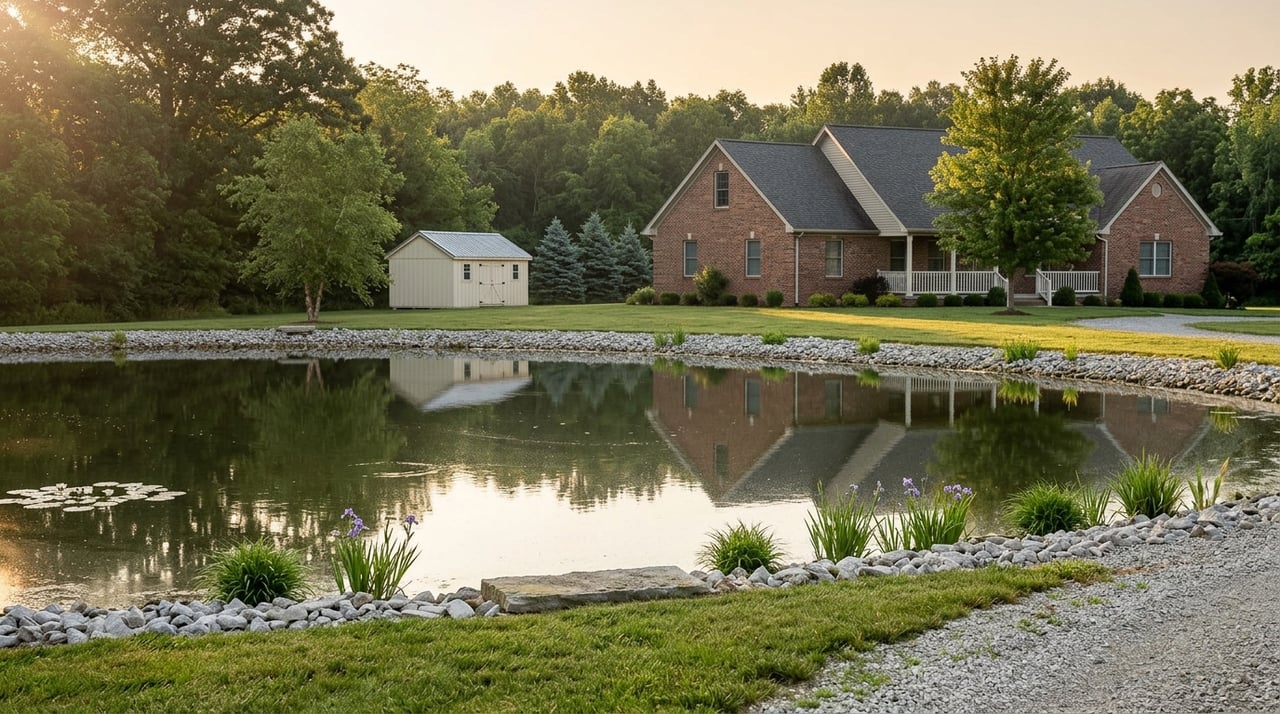
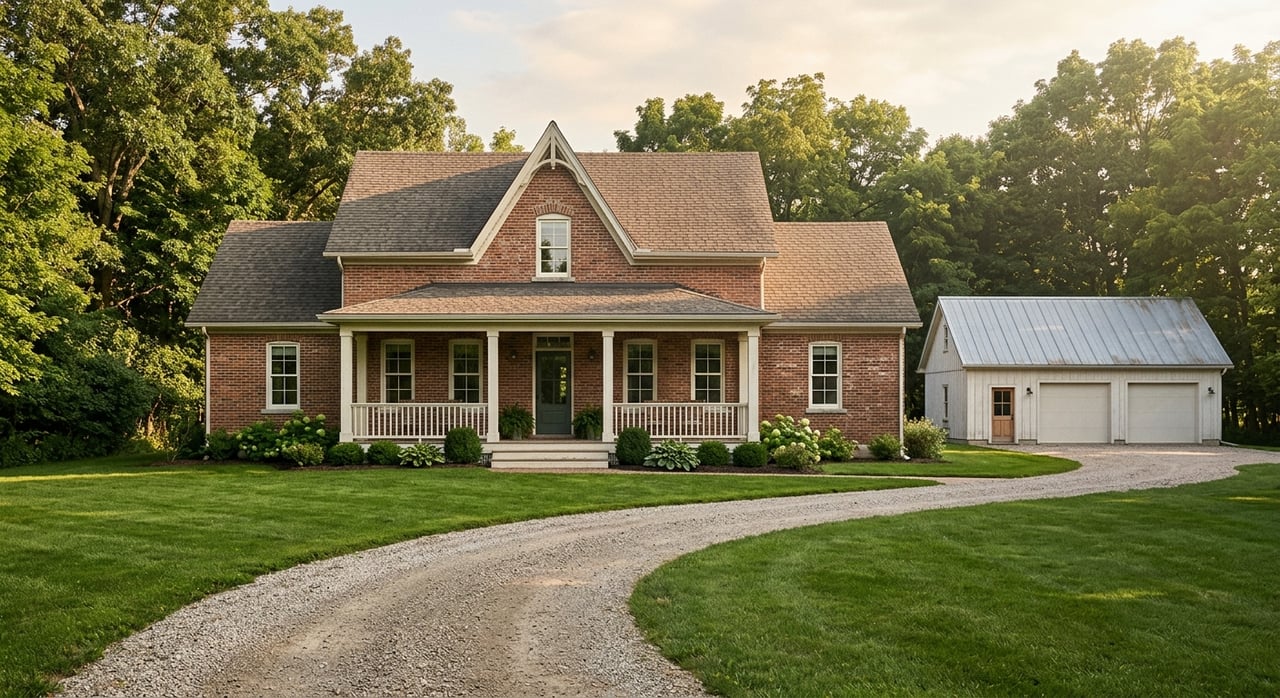
Some local properties also include features that can add value or extra responsibility. Public listing descriptions around Chana have included wooded acreage, ponds, creek frontage, pasture, hay ground, horse setups, barns, arenas, sheds, and other outbuildings.
If those features are important to you, make a list early. It is much easier to narrow your search when you know whether you want open ground, a wooded setting, equestrian space, or room for equipment and storage.
Start with zoning and lot size
One of the first things to verify is the zoning district. In Ogle County, minimum lot area can vary widely by district, including 40 acres in AG-1, 10 acres in IA, 3 acres in R-1, 2 acres in R-2, and 1 acre in R-3.
That means the same acreage size may fit one district’s rules but not another’s intended use. If a parcel has an existing home, barn, or detached building, you will want to confirm that the current improvements align with the zoning requirements.
Utility availability also affects lot standards. For residence lots without public sewer and community water, Ogle County requires a minimum lot area of 2 acres and 150 feet of width.
Where both public sewer and water are available, the minimum drops to 20,000 square feet with 100 feet of width. If only water is available, the minimum is 1 acre and 130 feet of width. If only sewer is available, the minimum is 30,000 square feet and 115 feet of width.
This is one reason acreage buyers should never assume that a parcel is build-ready just because it looks usable from the road. The legal and practical building envelope may be smaller than you expect.
Setbacks can shape how the land works
On paper, a parcel may seem large enough for a house, garage, barn, and driveway. In reality, setback rules can limit where those improvements can go.
In Ogle County, front-yard setbacks vary by road type. They are 80 feet on state or federal highways, 60 feet on county highways, and 40 feet on township roads or other streets.
That matters around Chana because road frontage can strongly affect how flexible a parcel feels. A lot on a state route may have a different layout and access experience than one on a township road, even if both have similar acreage.
If you are planning a new outbuilding, expanded driveway, or a custom home placement, setback review should happen early. It can save you from buying land that does not support your layout goals.
Outbuildings deserve a closer look
Many buyers looking around Chana want acreage specifically for practical features like a pole building, equipment storage, horse space, or a workshop. That makes accessory-building rules especially important.
Ogle County regulates detached accessory buildings by parcel size. On parcels under 10 acres, the code uses cumulative-area limits and caps each structure at 6,000 square feet. On parcels from 10 to 20 acres, there is no specified cumulative limit, but each structure is still capped at 6,000 square feet. On parcels of 20 acres or more, there is no specified cumulative limit.
The code also states that accessory buildings cannot sit in required easements or where they would violate well and septic setbacks. So even when a parcel seems large enough, the actual placement options may be narrower than expected.
If a property already has barns or shops, ask for records and confirm whether those structures appear consistent with county requirements. If you hope to add one later, make sure the parcel supports that plan before you close.
Access matters more than many buyers expect
Rural properties can look straightforward online, but legal and physical access is one of the biggest details to verify. Ogle County generally requires lots to directly abut a street unless there is a permanent access easement that was recorded before the chapter.
That means you should look closely at any shared-drive, lane-use, or easement language. A beautiful parcel loses appeal quickly if access is unclear, limited, or more complicated than you expected.
Road type matters too. Ogle County’s comprehensive plan reports about 1,443.1 miles of unincorporated roads, including 927.3 miles of township roads, 267.5 miles of county highways, and 248.3 miles of state highways.
The plan also identifies Chana Road as a major collector and a designated Class III truck route between IL 38 and IL 64. Depending on the parcel, frontage along a collector or truck route may create a different feel than frontage on a quieter township road.
That does not automatically make one better than the other. It simply means you should match the road setting to your goals for traffic, access, equipment movement, and everyday use.
State-road frontage can bring extra steps
If a property fronts a state-maintained road, driveway work may involve more than a local call. The Illinois Department of Transportation requires a permit for work within the right-of-way of state-maintained roads, including driveway and access work.
For buyers, that is a practical question worth asking early. You will want to know who controls culverts, driveway approaches, and any roadside improvements that may be needed now or later.
This becomes especially important if you hope to change the access point, improve the entrance, or build on vacant land. A quick review up front can help you avoid delays and surprise costs.
Wells and septic are part of rural ownership
Around Chana and other unincorporated parts of Ogle County, private utilities are common. The county’s comprehensive plan says 62.4 percent of county residents receive community water, while the remainder use private wells. In unincorporated areas, domestic and commercial wastewater is often handled through private on-site wastewater disposal systems, or septic systems.
If you are used to in-town utilities, this can feel like a big shift. It does not need to be a deal breaker, but it does mean you should ask more questions about maintenance, records, and condition.
Illinois IDPH reviews water-well installation plans, issues permits for new well construction, and inspects wells. Illinois EPA recommends annual testing of private wells for bacteria and nitrate.
That testing matters because elevated nitrate can be associated with nearby septic systems, manure storage, feedlots, or farm fields. On rural acreage, understanding what surrounds the well is just as important as confirming that the well exists.
Illinois EPA also states that a well must be at least 50 feet from septic tanks and barnyards or animal confinement lots, and 75 feet from septic fields and manure piles. Those distances can directly affect where future buildings, animal areas, or replacement systems may go.
Septic maintenance is also the homeowner’s responsibility. Illinois EPA recommends annual inspection and pumping every two to three years, or more often if needed.
Ask practical questions before you offer
When you tour acreage around Chana, it helps to think beyond the house itself. A strong offer starts with clear answers about the land, utilities, and legal setup.
Here are some of the most useful questions to ask:
- What is the exact zoning district?
- Does the current house, barn, shop, or other structure fit the zoning rules?
- Does the parcel have direct access to a public street?
- If access uses an easement or shared lane, is it properly recorded?
- Is the property on public water and sewer, or on a private well and septic system?
- Are records available for the well, septic system, and accessory buildings?
- If the property fronts a state route, who controls driveway work or roadside improvements?
- Do setback rules limit where future buildings can go?
These questions are not just technical details. They are often the difference between a property that supports your plans and one that becomes more costly or restrictive than you expected.
Why local guidance matters with acreage
Buying rural property is rarely as simple as comparing square footage and price per acre. Around Chana, the right property for you may depend on zoning, road frontage, utility setup, outbuilding rules, and whether the land’s features actually fit the way you want to live.
That is where local, practical guidance can make a real difference. When you work with someone who understands Ogle County acreage, you are better equipped to spot both opportunities and red flags before they become expensive surprises.
If you are thinking about buying acreage around Chana, Carla Benesh can help you evaluate land, outbuildings, access, and local market fit so you can move forward with clarity.
FAQs
What acreage sizes are common around Chana, Illinois?
- Public listings and recent sales around Chana show a wide range, from about 2-acre properties to larger parcels of 40-plus acres and even over 80 acres.
What zoning issue should you check first when buying acreage in Ogle County?
- You should verify the exact zoning district first, because minimum lot sizes and allowed property setups can vary significantly by district.
What are the minimum lot requirements for homes without public sewer and community water in Ogle County?
- Ogle County requires a minimum of 2 acres and 150 feet of width for residence lots without public sewer and community water.
Why do road setbacks matter for acreage near Chana?
- Front-yard setbacks affect where you can place a house, barn, garage, or driveway, and the required distance changes based on whether the parcel fronts a state, county, or township road.
What should you know about wells and septic on rural Chana-area properties?
- Many unincorporated properties rely on private wells and septic systems, so you should ask for records, understand maintenance responsibilities, and review well and septic location requirements.
What access question should you ask before buying rural land near Chana?
- You should confirm whether the parcel directly abuts a public street or depends on a recorded access easement or shared lane arrangement.