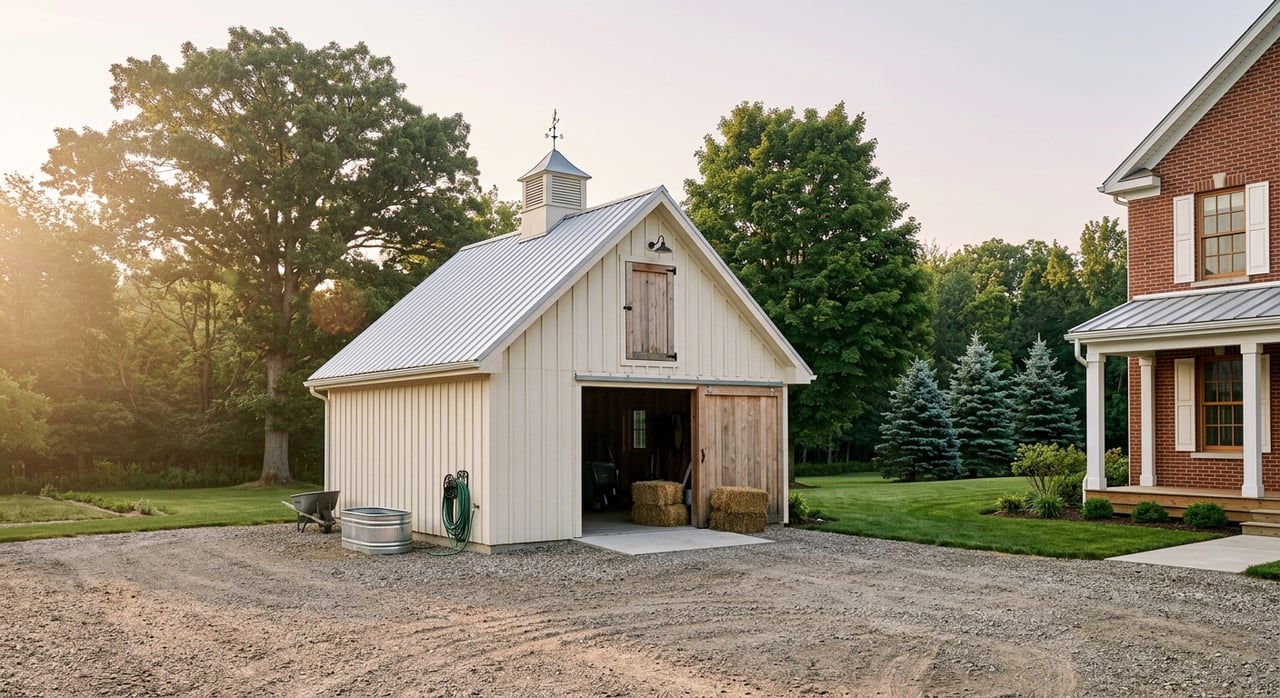
Do you love the idea of a few acres, a garden, and maybe a barn or coop, but wonder what daily life actually looks like? Near Monroe Center, mini-farm living can offer the space and privacy many buyers want, along with access to larger towns by way of I-39 and Highway 72. The dream is real, but so is the routine that comes with land, weather, and county rules. Let’s dive in.
Why Monroe Center Appeals to Mini-Farm Buyers
Monroe Center is a small village in Ogle County with a 2020 population of 411. That small scale helps explain why the area feels quiet and rural, while still staying connected to the wider region.
The village also sits along the I-39 and IL Highway 72 corridor, with a Love’s location at Exit 111 and Monroe Center Grade School in the village. For you, that can mean a practical mix of open space and easier access to everyday routes, errands, and nearby towns.
Homes.com describes Monroe Center as a quiet rural bedroom community close to Rockford, with Rockford and Rochelle both a short drive away via Interstate 39. That balance is a big reason buyers look here when they want more room without feeling too far from larger-town amenities.
What Mini-Farm Life Looks Like Week to Week
On a mini-farm, your routine usually revolves around the land first and the house second. Even a few acres can create a regular rhythm of outdoor chores, seasonal projects, and property upkeep.
Ogle County defines agriculture broadly. Its zoning language includes farm crops, animal and poultry husbandry, apiculture, dairying, floriculture, horticulture, nurseries, pasturage, viticulture, greenhouses, and uses customarily incidental to agriculture.
In practical terms, that often means tasks like:
- Feeding animals
- Refilling water
- Checking fencing or moving portable fencing
- Watching pasture and garden conditions
- Organizing feed, tools, and equipment
- Keeping outbuildings usable and tidy
If you are drawn to this lifestyle, it helps to be honest about how hands-on you want to be. A mini-farm can be deeply rewarding, but it usually works best when you enjoy steady, practical property care.
Seasonal Upkeep You Should Expect
Northern Illinois weather shapes mini-farm life in a big way. Nearby Rockford climate normals show an average January high of 29.1°F, a July average high of 83.9°F, about 37.24 inches of annual precipitation, and 37.1 inches of annual snowfall.
That weather pattern affects your routine across the year. Winter often brings snow removal and extra attention to access around buildings and driveways. Spring can mean mud control and drainage issues, especially around gates, paths, and animal areas.
Summer usually adds mowing, weed control, and more frequent outdoor maintenance. Fall often turns into cleanup season, with prep work for colder weather, equipment storage, and general property organization.
Which Property Features Matter Most
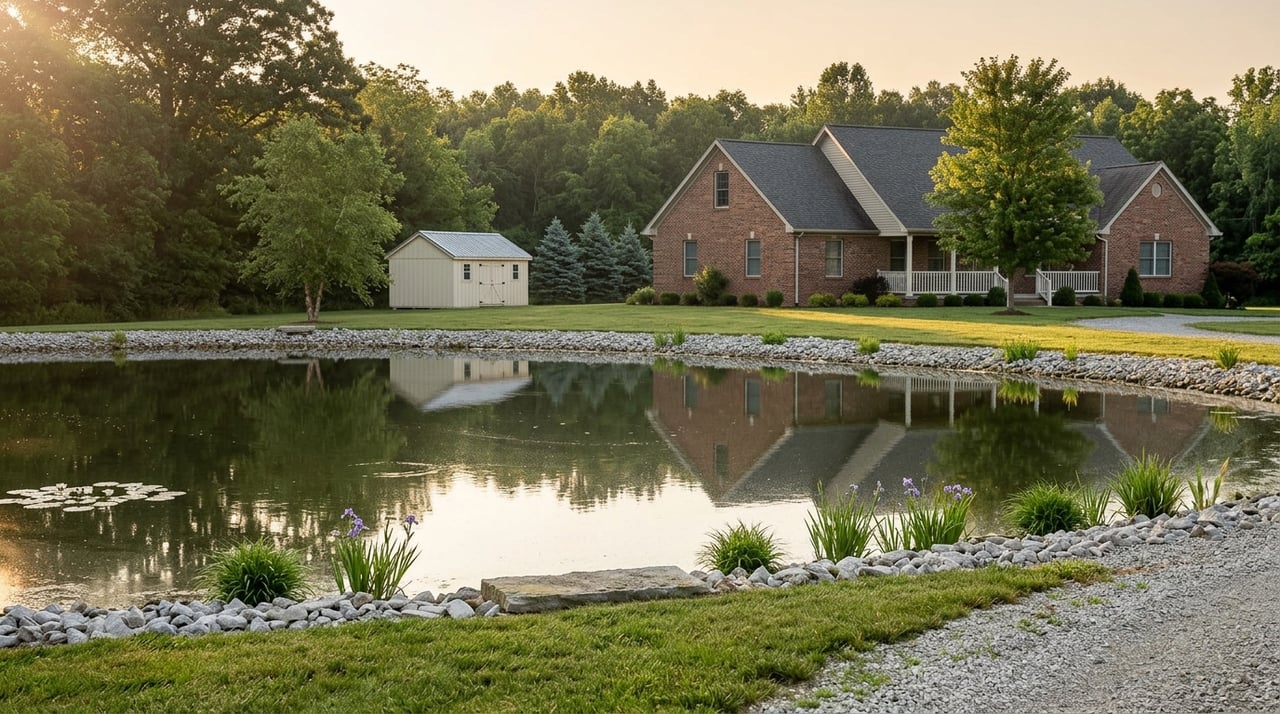
Not every home on acreage functions like a practical mini-farm. If you want the property to support animals, gardening, storage, or hobby agriculture, the layout matters just as much as the acreage number.
Outbuildings Support Daily Use
Ogle County defines an accessory building or use as something subordinate to the principal use and located on the same zoning lot. A private garage is specifically described as an accessory building intended for vehicle storage.
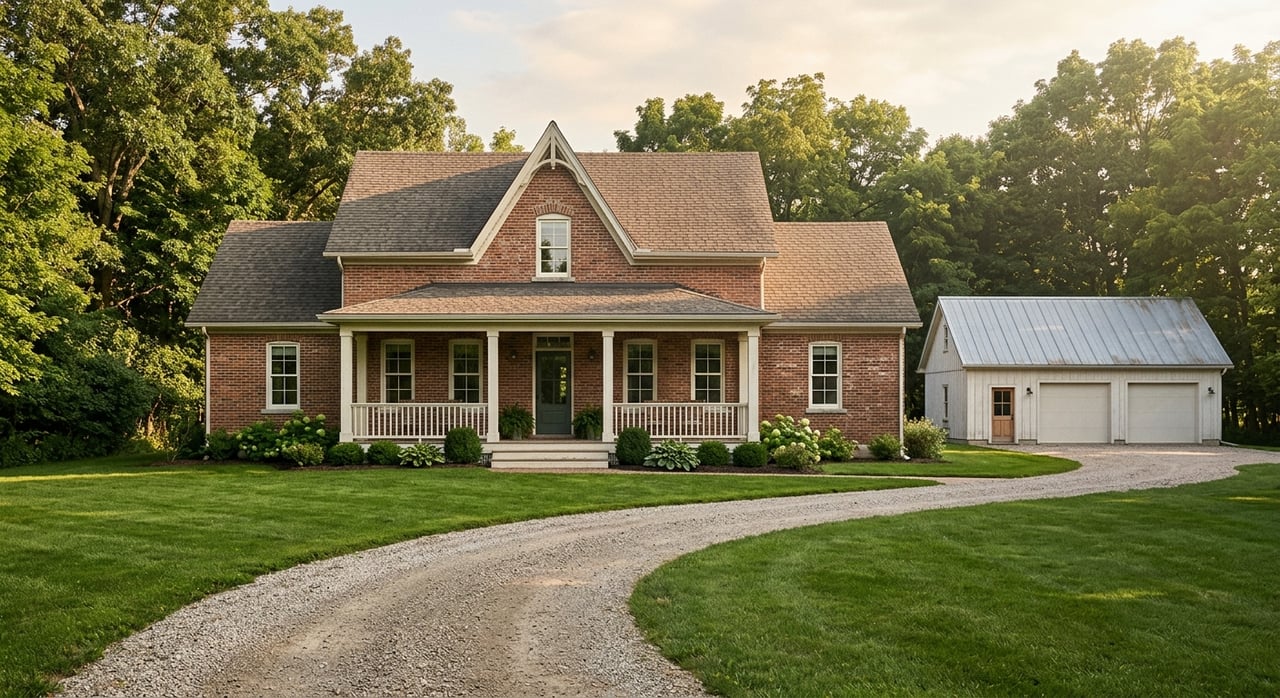
For mini-farm buyers, that points to the importance of useful support spaces. Depending on the property, that may include barns, sheds, run-in shelters, tack rooms, or workshop space that help the land function day to day.
A pretty outbuilding is one thing. A well-placed outbuilding with practical access, storage, and working space is something else entirely.
Lot Layout Matters as Much as Acreage
A parcel may sound spacious on paper, but usable space can be more limited than you expect. That is why lot shape, road frontage, and setbacks deserve close attention when you are evaluating a property.
Ogle County’s abbreviated zoning schedule lists these minimum lot sizes by district:
- AG-1 Agricultural: 40 acres
- IA Intermediate Agricultural: 10 acres
- R-1 Rural Residential: 3 acres
The same schedule lists front-yard setbacks of:
- 80 feet on federal or state highways
- 60 feet on county highways
- 40 feet on township roads or other streets
Those numbers matter because they can affect where a barn, shed, fence, drive, or other feature may realistically fit. A property can feel open and still have tighter building options than you first assume.
What Zoning Means for Animals and Buildings
One of the biggest mistakes buyers make is assuming that a rural property automatically allows any animal or structure they have in mind. In Ogle County, zoning and permitted uses are a key part of the decision.
Ogle County’s AG-1 list includes grazing and forage, greenhouses, home occupations, tree farms, private stables, public stables, and livestock management or livestock waste-handling facilities. The county also defines agriculture to include poultry husbandry and other farm uses.
That does not mean every parcel supports every use in the same way. Before you plan for a coop, larger barn, or livestock setup, you should verify the zoning district, the permitted use, and whether a special use or permit is required.
Private Stables and Similar Uses
The county defines a private stable as an accessory building where equine are kept for private use and not for hire or sale. If horses are part of your long-term goal, that definition gives useful context for how the county views that type of structure.
Even so, the property still needs the right layout and zoning fit. Access, setbacks, open ground, and support buildings all play a part in whether the setup feels workable.
Questions to Ask Before You Buy
If you are serious about a mini-farm near Monroe Center, it helps to think beyond the dream and focus on the daily fit. The right property is not just about charm. It is about function.
Ask yourself:
- How much weekly outdoor work do you want to handle?
- Do you want garden space, animals, or both?
- What outbuildings already exist, and how usable are they?
- Where would fencing, storage, or shelter go on the lot?
- How do zoning and setbacks affect your plans?
- Are you ready for snow, mud, mowing, and seasonal upkeep?
These questions can save you time and help you narrow in on properties that truly support the lifestyle you want.
Why Local Guidance Helps
Rural properties often ask different questions than an in-town home. You are not just evaluating square footage and finishes. You are also looking at acreage, access, outbuildings, setbacks, and how the land works in real life.
That is where local experience matters. When you are comparing mini-farm properties near Monroe Center, practical insight can help you spot the difference between a place that only looks the part and one that can support your goals over time.
If you are thinking about buying or selling acreage near Monroe Center, Carla Benesh can help you evaluate the property details that matter most in Ogle County.
FAQs
What is everyday mini-farm life like near Monroe Center?
- Everyday life often includes feeding animals, checking water, maintaining fencing, caring for garden or pasture areas, and keeping tools and outbuildings organized.
What kinds of properties support mini-farm living near Monroe Center?
- Properties with practical outbuildings, usable open ground, and a layout that works with county setbacks tend to be better suited for mini-farm use.
How do Ogle County zoning rules affect mini-farm plans?
- Zoning can affect what uses, animals, and structures are allowed, so you should verify the zoning district and any permit or special-use requirements before making plans.
How much land do rural properties need in Ogle County?
- Ogle County’s abbreviated zoning schedule lists minimum lot sizes of 40 acres for AG-1, 10 acres for IA, and 3 acres for R-1.
What seasonal maintenance should buyers expect near Monroe Center?
- Buyers should plan for winter snow removal, spring mud control, summer mowing, and fall cleanup based on the area’s typical weather patterns.