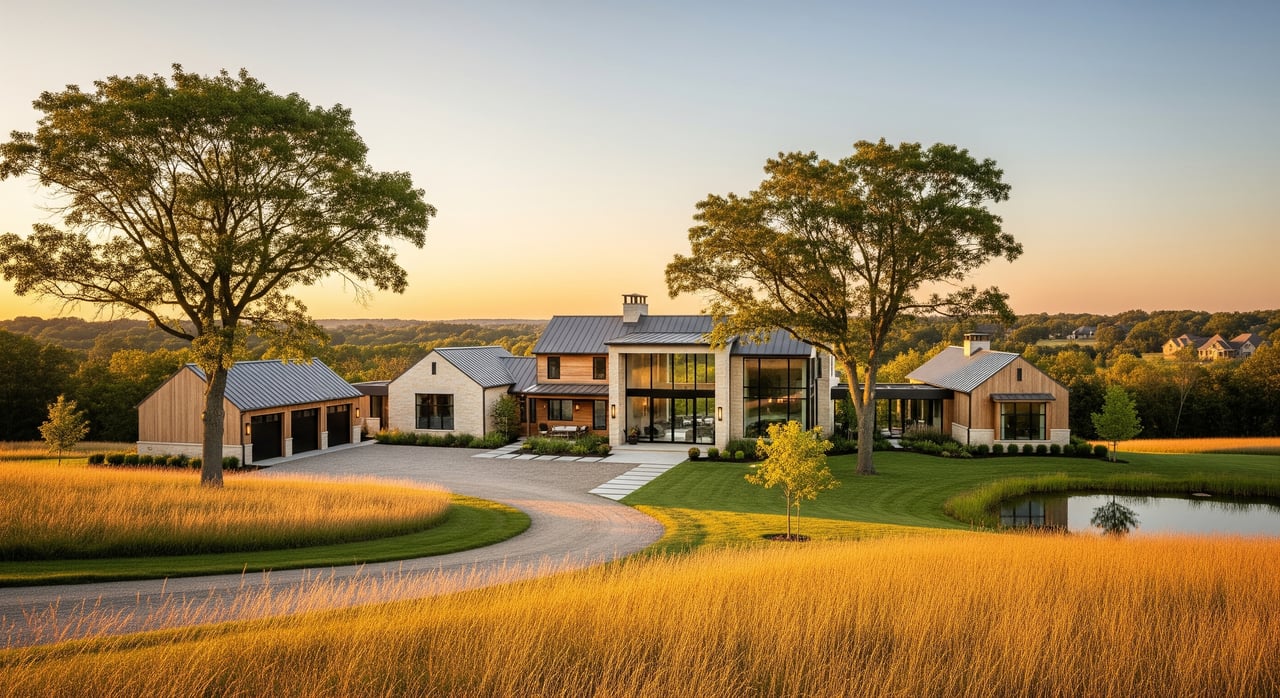
Thinking about more land and privacy or the convenience of a neighborhood setting? If you are weighing acreage against a subdivision home in and around Oregon, Illinois, you are not alone. This is a lifestyle choice as much as a real estate decision, and both paths come with tradeoffs. In this guide, you will learn how utilities, maintenance, inspections, financing, and resale differ so you can choose with confidence. Let’s dive in.
What “acreage” and “subdivision” mean
Acreage basics
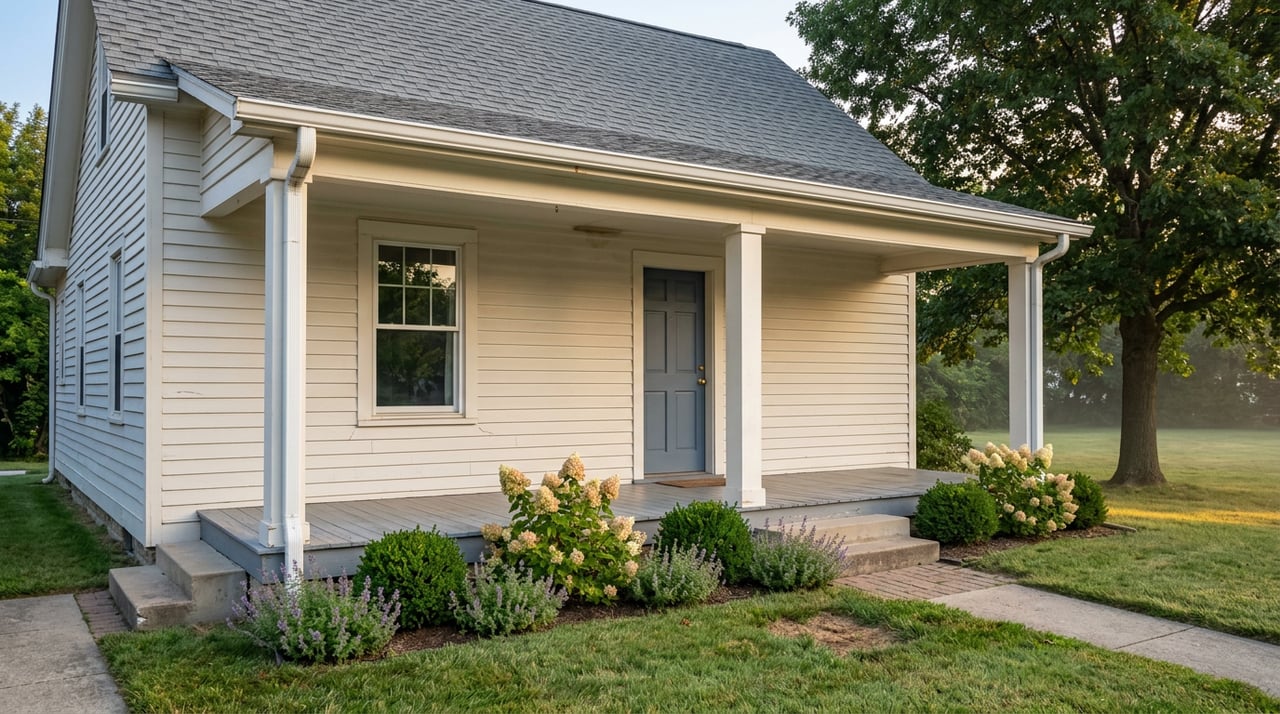
Acreage usually means a home on a larger parcel outside a platted subdivision, often one acre or more. These properties may have private utilities like a well and septic system and may be accessed by a private road. Zoning can vary and may allow outbuildings or agricultural uses, depending on the parcel and local rules.
Subdivision basics
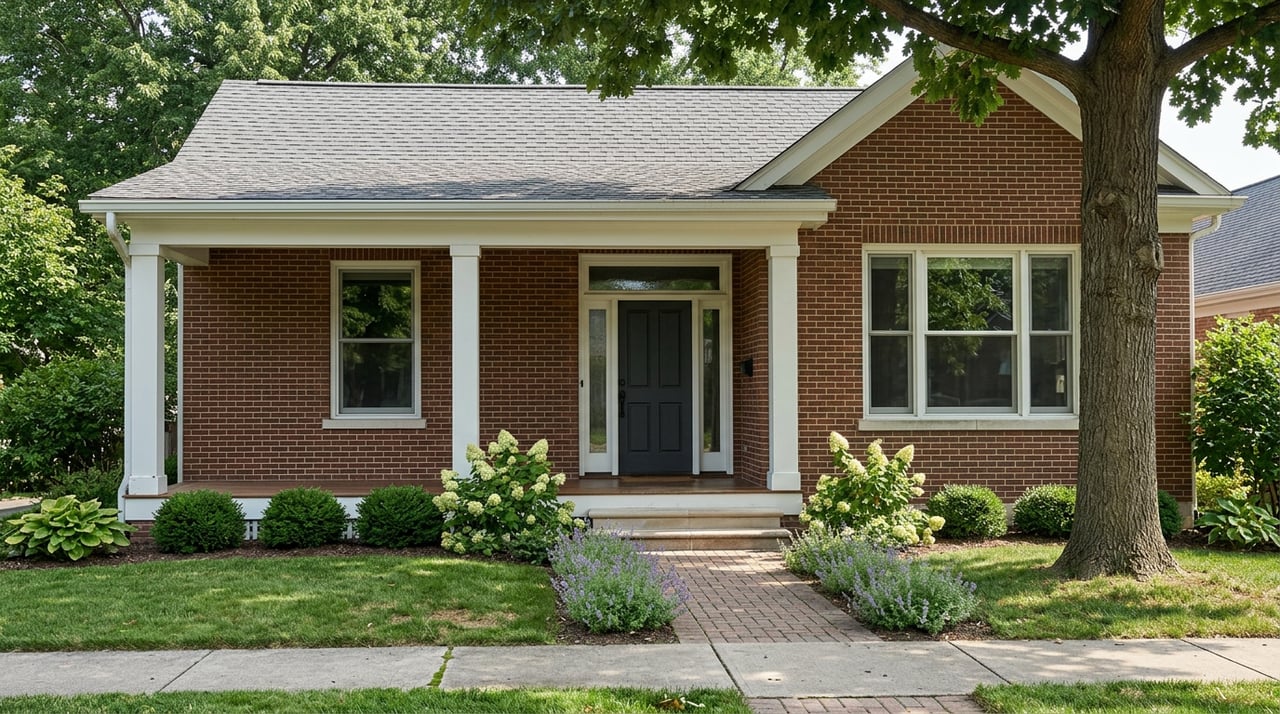
Subdivision homes sit on platted lots within a developed neighborhood. Utilities are typically public, including water and sewer. You will often find public roads, sidewalks, and defined setbacks. Some communities include covenants, conditions, and restrictions or a homeowners association that manages common areas and enforces rules.
Lifestyle tradeoffs at a glance
- Privacy and space: Acreage offers fewer immediate neighbors and more room for hobbies, animals, gardening, or larger outbuildings. Subdivisions trade space for convenience and a neighborhood setting.
- Everyday convenience: Subdivisions tend to sit closer to schools, grocery options, parks, and healthcare. Acreage can add drive time for errands and activities.
- Rules and flexibility: Acreage can offer more flexibility for uses and expansion, subject to zoning and permits. Subdivisions can have HOA rules, architectural controls, and fees.
- Resale and demand: Subdivision homes often attract a broader buyer pool and can sell with stronger liquidity. Acreage attracts a more specific buyer segment that seeks privacy or land features.
Commute, access, and roads
Acreage often means longer commutes and different road conditions. Map your typical routes during peak hours and consider winter driving. Confirm whether access to the property is via public or private road. If it is a private road, ask for any recorded road maintenance agreement and understand who shares costs for repairs, snow removal, and upkeep.
Subdivision access is straightforward in most cases. Public streets, sidewalk networks, and neighborhood lighting are common. For newer communities, verify which party maintains stormwater features, street lighting, and parks.
Utilities and connectivity
Acreage utilities
Acreage frequently relies on a private well for water and a private septic system for wastewater. Electric service may require extended lines in more remote areas. Heating fuel can include propane or other options. Broadband and cellular coverage may be limited. It is smart to test coverage at the property and contact local providers before you write an offer.
Subdivision utilities
Subdivision homes typically have municipal water and sewer along with widely available broadband options. Public services like street lighting, sidewalks, and trash service are more common. Monthly utility costs can be more predictable for many households.
Safety, services, and environmental factors
Response times can differ between rural and in-town locations. Ask about proximity to local fire and EMS services and typical response coverage for your address. Larger parcels can mean longer response times.
Environmental considerations matter for both settings:
- Water and wastewater: A well and septic system require regular maintenance and periodic inspections. Soil type can affect septic function and replacement costs.
- Drainage and soils: Evaluate slope, pooling areas, erosion risk, and any potential landslide or settlement concerns.
- Floodplains and wetlands: Check whether any portion of the property sits in a flood zone or includes wetlands. Flood insurance is required by lenders for homes in FEMA-designated floodplains.
- Zoning and use limits: Agricultural or resource-oriented zoning can restrict non-agricultural uses and may include tax implications. Confirm permitted uses and any accessory structure rules before you plan projects.
Maintenance and inspection differences
Ongoing costs on acreage
Budget time and money for property care. Typical items include:
- Mowing fields and larger lawns
- Fence repair and gate upkeep
- Septic pumping, repairs, or replacement over time
- Well maintenance, pressure systems, and water treatment as needed
- Driveway or private road grading, gravel, and snow removal
- Tree work, hazard tree removal, and general vegetation management
- Pest control and erosion control
These items can be routine annual costs with occasional larger expenses for system replacements or major tree work.
Ongoing costs in subdivisions
Yard care and landscaping are the main exterior items for most subdivision homes. You may also have HOA dues if the neighborhood maintains common areas, parks, or stormwater systems. Utility bills can be smaller and more predictable than for some rural properties.
Due diligence checklist for acreage
Before you commit to an acreage property, line up the right inspections and records:
- Well inspection and water quality lab testing, plus yield or flow information
- Septic inspection, capacity verification, soil suitability, and permit history
- Site drainage and soils evaluation for erosion, pooling, or slope stability
- Utility service distances and costs to extend power, broadband, or sewer if needed
- Legal access, recorded easements, and any road maintenance agreement
- Boundary survey to confirm lot lines versus fence lines
- Vegetation and tree assessment for hazard trees and maintenance planning
- Environmental constraints such as wetlands or riparian areas
- Building permit history for outbuildings, barns, additions, or accessory units
Due diligence checklist for subdivisions
Subdivision buyers should focus on community rules and infrastructure:
- HOA or CC&R review for restrictions, enforcement, dues, special assessments, and reserves
- Builder warranty and completion items if the home is new or recently built
- Confirmation of public utility connections and stormwater acceptance by the municipality
- Setbacks and accessory structure rules that affect future projects
- Standard home inspection and any community-specific checks
Financing, insurance, and appraisal
Most loan products can work for both settings. Conventional, FHA, VA, and USDA Rural Development loans may all be options, depending on location and property type. USDA eligibility is map based and generally applies to more rural areas.
Lenders often require the following for rural properties:
- Reliable, dedicated access to the property
- Adequate water supply with well testing and a functioning septic system
- Appraisal support from comparable sales, which can be harder to find for unique acreage homes
Some acreage properties may require larger down payments or specialty portfolio lending, especially if there are significant agricultural features or unusual improvements. Work with your lender early to align loan type and property characteristics.
Insurance can vary by location and risk profile. Distance to fire services, outbuildings, and site hazards can influence premiums and availability. If any part of the property is in a FEMA floodplain, flood insurance may be required. If you plan to keep animals or open the property to public use, ask your insurance agent about liability coverage or an umbrella policy.
Resale and marketability around Oregon, IL
Subdivision homes generally appeal to a larger buyer pool and can move faster when priced correctly. Buyers understand the neighborhood setting, the utility setup, and the convenience factor. Pricing often tracks price per square foot.
Acreage homes appeal to a more specific group of buyers who value privacy, land, or outbuilding potential. Time on market can be longer and pricing may factor in unique features like views, timber, or water features. For the best resale position on acreage, keep documentation current for your well and septic, maintain clear access and boundaries, and address tree risks or vegetation overgrowth. These steps help buyers and lenders feel confident.
Decision framework: which fits you
Score each item from 1 to 5. Higher totals suggest acreage. Lower totals suggest subdivision.
- Need for privacy and land: ( )
- Willingness to coordinate maintenance: ( )
- Need for short commute and close services: ( )
- Concern about remote emergency response: ( )
- Desire for municipal utilities and broadband: ( )
- Budget for inspections and possible utility work: ( )
If your top scores cluster around privacy, land use, and comfort with maintenance, acreage can be a great fit. If your priorities center on convenience, quick access to daily needs, and lower routine upkeep, a subdivision home may be the better choice.
Timeline and key professionals
- Early stage: Connect with a realtor who understands both rural and neighborhood properties. Begin a lender preapproval and ask about loan options for the type of home you prefer.
- Before offer: Verify access, general utility setup, and estimated commute. For acreage, identify well and septic testing you will need.
- Under contract: Order a home inspection. For acreage, line up septic and well inspections, a survey if needed, and review easements or road agreements. For subdivisions, review HOA documents and reserves.
- Appraisal to close: Finalize insurance quotes, confirm permit history for improvements, and make sure all test results meet lender requirements.
How a local expert can help
Choosing between acreage and a subdivision home is easier when you have a plan. A local, experienced broker can help you weigh tradeoffs, identify hidden costs, coordinate specialized inspections, and price the property type you want with confidence. If you are considering a move in Oregon, IL or anywhere in Ogle County, you do not have to figure this out alone.
Ready to compare options for your lifestyle and budget? Reach out to Carla Benesh to talk through your goals or request a Free Market Valuation.
FAQs
What counts as an acreage property near Oregon, IL?
- A home on a larger parcel, often one acre or more, typically outside a platted subdivision and often with private well and septic.
How do wells and septic impact buying a home?
- They require specific inspections and ongoing maintenance; lenders often need water quality results and a septic evaluation before approving a loan.
Can I use USDA financing for a rural home near Oregon?
- Many rural areas may be eligible based on USDA maps; confirm property eligibility and your qualifications with your lender early.
What inspections are most important for acreage?
- In addition to a standard home inspection, prioritize well and water testing, septic evaluation, survey confirmation, and access or easement reviews.
Are subdivision HOAs common around Oregon, IL?
- Some neighborhoods include HOAs that manage common areas and enforce rules; review dues, reserves, and restrictions before you buy.