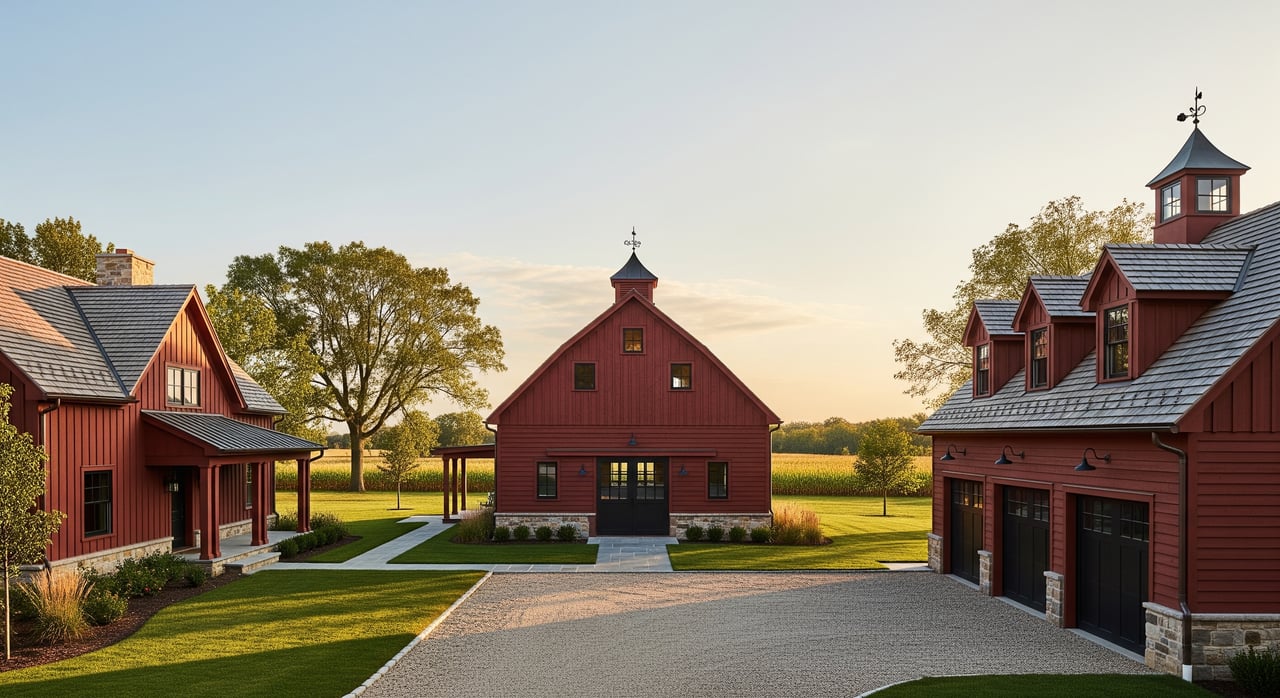
If you live in Dixon, you have likely noticed how often buyers ask about garages, pole barns, and shops. Storage, parking, and workspace can make daily life easier, and they can also influence your sale price. Whether you are planning improvements or getting ready to list, understanding which outbuildings add value in Dixon helps you spend wisely and market with confidence. Let’s dive in.
What buyers value in Dixon
Dixon and greater Lee County mix in‑town homes with nearby acreage. Buyer needs vary, but you often see a few common priorities: secure parking, practical storage, and useful work areas. Commuters and families tend to focus on garages. Hobbyists, contractors, and home‑based businesses ask for heated shops and 240V power. Rural buyers and RV or boat owners look for pole barns and drive‑through access. Downsizers often want lower maintenance and simple, durable storage.
Local comparable sales matter a lot. In a smaller market like Dixon, appraisers and buyers lean on recent nearby sales with similar outbuildings to set value. Condition, quality, and permits also play a major role.
Garages: broadest appeal
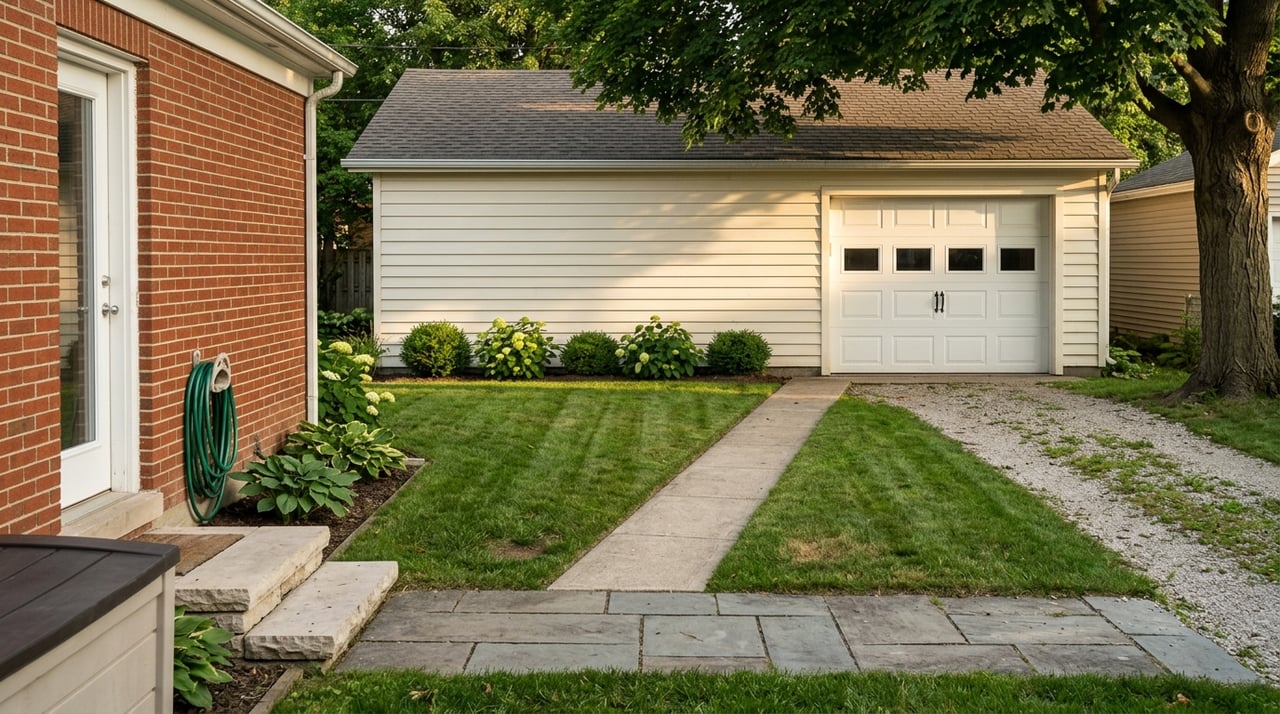
Garages offer the widest buyer appeal in both town and rural settings. They provide secure, weather‑protected parking and extra storage, which most buyers appreciate year‑round.
What helps value
- Two‑car capacity where common for the neighborhood
- Insulation, solid overhead doors, good lighting, and built‑in storage
- Direct access to the house and a clean, finished interior
What hurts value
- Poor condition, leaks, rusted doors, strong odors, or stained floors
- Unpermitted conversions of garage space to living area
Attached garages usually feel more convenient, but a well‑built detached garage can still be a strong selling point.
Pole barns: high impact for rural needs
For acreage buyers, hobby farmers, and those with large equipment, a pole barn can be a difference‑maker. These buildings shine when they solve real storage and access needs.
- Features buyers look for
- High overhead doors for trucks, tractors, or RVs
- Concrete floors, good lighting, and reliable electrical service
- Drive‑through bays and easy turnaround space
In dense neighborhoods, very large barns may not fit local norms and could add less value. Zoning and utility rules can also differ between agricultural and residential areas, so placement, size, and connections matter.
Heated shops: workspace that sells
If you are a mechanic, woodworker, or contractor, a heated and insulated shop can be a daily essential. Many Dixon‑area buyers agree. A clean, code‑compliant shop with the right utilities often draws strong interest.
Value drivers
- Quality heating system, proper insulation, and adequate ventilation
- 240V circuits, ample outlets, task lighting, and a finished floor
- Thoughtful layout, separate entrance, and any office or bathroom space
Watchouts
- Improper ventilation or chemical storage
- Uses that cross into commercial activity without proper approvals
Storage sheds: useful but modest
Most buyers like having a shed, but small or worn sheds do not move the value needle much. Larger, durable storage structures in good condition can add practical appeal.
What helps
- Solid construction, proper anchoring, lockable doors, and clean interiors
- Placement that keeps yard use flexible and curb appeal intact
What hurts
- Multiple small, mismatched sheds that clutter the yard
- Dilapidated buildings that suggest deferred maintenance
Specialty outbuildings: niche appeal
Barns with stalls, arenas, or greenhouses can be very valuable to buyers with those needs. For the broader market, they are more niche. Their contributory value depends on finding the right buyer and on local comparable sales.
How appraisers treat outbuildings
Appraisers look for contributory value, not just what you spent. They check recent comparable sales, condition, permitted status, and how well the structure fits the neighborhood.
Key appraisal approaches
- Sales comparison is primary. Appraisers prefer recent local comps with similar buildings.
- Cost approach may be used for new or unique structures when comps are scarce, with depreciation considered.
Documentation that helps
- Building permits and final approvals
- Contractor invoices, plans, and warranties
- Utility hookup records, inspection reports, and construction photos
Permits, zoning, and placement
Before you build or list, confirm permit history and zoning for each structure. If you are inside city limits, contact the City of Dixon Building and Zoning office. In unincorporated areas, check with Lee County for permit history and zoning rules.
Typical permit triggers
- New buildings beyond a certain size or any structure with a permanent foundation
- Electrical, plumbing, or heating installations
- Major roof or structural work
Site rules to confirm
- Setbacks, easements, and lot coverage
- Residential versus agricultural allowances and utility connections
Unpermitted structures can complicate appraisals and closings. Disclose what you know and be ready to address retroactive permits if needed.
Taxes and insurance basics
Adding or improving an outbuilding can increase your assessed value and property taxes. The assessor notes new structures through permits or inspections. Buyers should ask how outbuildings affect coverage. Many policies cover detached structures up to a limit, but larger or specialized shops, or any business use, may need extra endorsements or separate policies.
Cost vs value in Dixon
There is no universal return on investment. Value depends on local demand, structure quality, and the comps near you. Still, a few patterns hold true.
Most likely to pay off
- Garages that meet neighborhood expectations
- Heated, insulated shops with proper power and ventilation
- Upgrades that improve utility, like concrete floors, 240V service, and better doors
Least likely to pay off
- Oversized or highly customized buildings out of step with nearby homes
- Expensive finishes that exceed what local buyers expect
When in doubt, talk to a local agent and review recent sales with similar outbuildings. A single strong comp in Dixon can heavily influence perceived value.
Market and stage your outbuildings
Help buyers see how the space works for real life. Clear details and clean presentation matter.
What to highlight in your listing
- Dimensions, number of bays, and door heights
- Electrical service, including amperage and 240V circuits
- Heating type, insulation, concrete vs gravel floor, and any plumbing
- Access details: driveway width, turnaround space, and grade
- Year built or improved, and any permits on file
Photo and video tips
- Bright, wide interior shots that show workspace and power access
- Exterior views that show relation to the house and driveway
- Short video or drone clip for acreage to show drive‑through paths and clearance
Staging checklist
- Remove clutter and hazardous materials
- Neutralize odors and ensure good ventilation
- Confirm lighting works and label power panels if helpful
Seller checklist: improvements before listing
Focus on practical upgrades that match local demand and emphasize utility.
- Repair roofs, siding, doors, and any leaks
- Upgrade electrical capacity and add 240V if needed
- Add or improve insulation and heating in shops
- Pour or repair concrete floors where appropriate
- Ensure driveway access is safe and straightforward
- Confirm setbacks and permits before starting any new work
- Use licensed contractors and keep invoices, plans, and photos
- Consider cost‑effective curb‑appeal updates like fresh paint and new overhead doors
Seller checklist: documents to gather
Having a clean file helps the appraisal and buyer confidence.
- Permit records and any certificates of occupancy
- Contractor invoices, equipment manuals, and warranties
- As‑built or measured floor plans with door and ceiling heights
- Recent inspection reports for structural or electrical work
- Photos that document build stages and improvements
Buyer checklist: evaluating a property
Match the building’s capabilities to your intended use and confirm compliance.
- Verify permits and code status for each structure
- Inspect roofs, doors, slab, framing, and utilities
- Confirm electrical capacity and 240V availability
- Ask about zoning limits for commercial or business use
- Review recent local comps with similar outbuildings
- Speak with your insurance agent about coverage and liability
- Budget for upgrades or maintenance if you plan heavy use
The bottom line for Dixon
In Dixon, garages and well‑equipped heated shops tend to have the broadest appeal. Pole barns can be a major plus for acreage buyers who need storage and access. Small sheds provide convenience but limited measurable value unless they are larger, well‑built, and well‑placed. Your best strategy is to align features with local buyer needs, confirm permits, and present clear documentation to support value.
Ready to price your outbuildings with confidence or plan smart upgrades? Reach out to Carla Benesh to Request a Free Market Valuation and a tailored marketing plan.
FAQs
Will a garage or pole barn raise my taxes in Dixon?
- Adding or improving an outbuilding can increase assessed value and property taxes, especially when a permit is filed or an inspection notes the change.
How much value does a heated shop add versus unheated?
- Heated, insulated shops with proper electrical and ventilation usually attract more buyers and show stronger contributory value than unheated spaces, based on local demand and comps.
Do I need permits for a new outbuilding in Dixon?
- Many new structures and any electrical, plumbing, or heating work require permits; confirm requirements with the City of Dixon or Lee County before building.
Do pole barns count as living space or house square footage?
- No. Outbuildings do not add to house living square footage; appraisers treat them as separate improvements with their own contributory value.
What documents help the appraiser value my outbuilding?
- Permits, contractor invoices, plans, utility hookup records, inspection reports, and clear photos of the structure and improvements are most helpful.
How do I market a property when the outbuilding is the main draw?
- Lead with function: list dimensions, door heights, power and heat details, access, and permitted status; use clear photos and video to show how the space works.