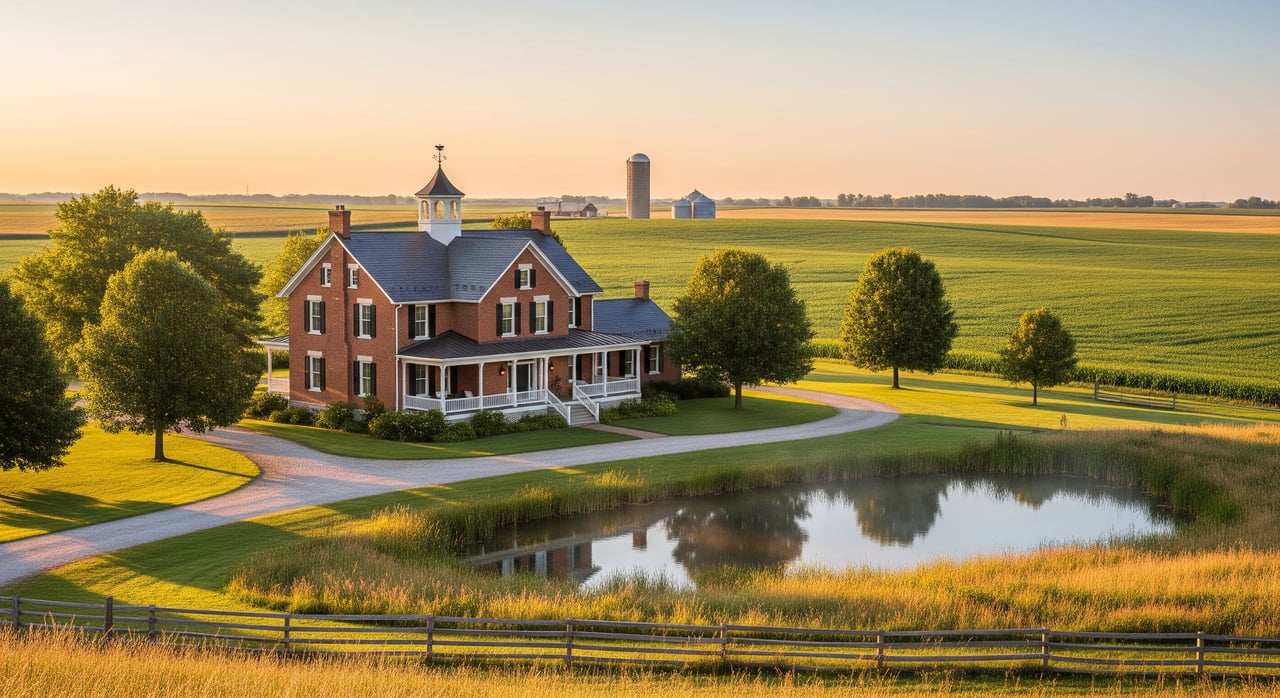
Thinking about buying a few acres near Polo and not sure what the listing jargon means? You are not alone. Rural listings often use farm and land terms that directly affect what you can grow, build, and budget. In this guide, you will get plain-English definitions, why each term matters, and the local steps to verify details in Ogle County so you can make a confident offer. Let’s dive in.
Acreage terms to know in Polo
- Tillable acres (tillable): Acres regularly cultivated for row crops like corn or soybeans. Productivity still depends on soil, drainage, slope, and tile.
- Non-tillable / woodland / brush / wetlands: Areas not regularly farmed that may include trees, prairie, seasonal wetlands, or rough ground.
- Pasture / grazing acres: Land maintained for livestock forage. Condition depends on soil, drainage, and forage species, not just the acreage count.
- Hay ground: Acres cut for hay rather than row crops. Management differs from both pasture and tillable fields.
- Conservation acreage / CRP: Land enrolled in conservation programs that may restrict tillage and carry contract transfer rules.
- Productivity index (CSR/CSR2): A soil rating that reflects suitability for row crops. Higher numbers indicate more productive soils.
- Tile drainage / subsurface tile: Underground pipes that move water off fields. Tile location and condition affect wetness, crop timing, and where you can excavate or build.
- Easement: A legal right for others to use land for access, utilities, or drainage. Common types include access, utility, drainage, conservation, and prescriptive easements.
- Setback: The minimum distance a new structure must be from property lines, roads, water, or other buildings per local codes.
- Right-of-way (ROW): A strip used for roads, utilities, or drainage that can limit where you build or plant.
- Deed restrictions / covenants: Recorded limits on land use that can restrict structures, business activities, or livestock.
- Outbuilding / accessory structure: Non-residential structures like barns, machine sheds, arenas, or garages. Rules vary by whether a building is “agricultural” or a residential accessory.
- Septic system and drainfield: On-site wastewater treatment. Location, capacity, age, and permit history matter for safety and future costs.
- Private well (yield and quality): Water supply for the property. Flow rate and water quality tests (bacteria, nitrates) are key.
- Floodplain / wetland: Regulated areas that may limit development and trigger permits or insurance requirements.
- Survey / Plat of Survey / CSM: A professional map confirming boundaries, improvements, and easements.
- Prescriptive use / adverse possession: Long-term use by someone else that may create legal rights, important for driveways or shared lanes.
Why these terms affect value and use
A “tillable acres” figure is a starting point. Soil types, tile, slope, and flooding history determine how much of that acreage is truly productive. This can drive both income potential and resale value.
Tile can speed spring fieldwork and reduce wet spots. Broken or unknown tile lines can create soggy areas and complicate excavation, septic placement, and new construction.
Easements and ROWs can help or hinder you. An access easement may secure a legal drive to a parcel, while a utility or drainage easement can limit where you build and require maintenance access.
Setbacks and permits shape what you can place on the land. Agricultural exemptions sometimes apply to bona fide farm buildings, while homes and residential accessory buildings usually need permits and must meet setbacks.
Septic and well systems affect livability and long-term costs. Replacement or upgrades may be expensive and must meet health department rules and separation distances.
Wetlands or floodplain areas can remove buildable acreage. They may trigger additional permits and affect financing and insurance decisions.
Deed restrictions and conservation easements can limit future uses. They may reduce flexibility for subdivision or commercial activity and will bind future owners.
Tax classification matters for your budget. Land used as farmland may be assessed differently, and changing use can trigger reassessment or rollback taxes.
Local verification in Ogle County
Zoning, setbacks, and building permits
- Contact the Ogle County Zoning & Building Department to confirm zoning district, permitted uses, setbacks, and permit requirements for homes and outbuildings.
Septic and well records
- Work with the Ogle County Health Department / Environmental Health to request septic permit history, well records, and inspection requirements at transfer.
Title and recorded documents
- Use the Ogle County Recorder of Deeds to obtain the deed, recorded easements, covenants, and any subdivision or Certified Survey Map documents.
Taxes, parcel data, and soils
- Check the Ogle County Assessor’s Office and GIS for parcel maps, assessed classifications, and prior tax bills. Review soil and land-use layers if available.
Soils, tile, and conservation programs
- Consult the Ogle County Soil & Water Conservation District and USDA NRCS for soil surveys, tile/drainage info, and conservation program details.
- Verify any farm program enrollment, CRP, or cropland certifications with the USDA Farm Service Agency.
Floodplain and wetlands
- Review the parcel’s status through the FEMA Flood Map Service Center for flood zones.
- Check wetland mapping and protected resources with the Illinois Department of Natural Resources or local conservation entities.
Roads and driveways
- Ask the Township Road Commissioner or Ogle County Highways Department about road right-of-way, maintenance responsibility, and driveway permits.
Municipal boundaries
- If the property is near or inside city limits, call the Village of Polo / City Hall for local codes and any municipal water/sewer options.
Legal and title support
- Engage a local title company or attorney to run a full title search, confirm legal access, and review any unrecorded encumbrances.
Smart questions to ask before you offer
Productivity and soil
- What is the CSR/CSR2 or soil type mix for the tillable acres? Are there recurring wet spots or flooding issues?
Tile drainage
- Are fields tiled, and where are the tile lines? Are they functioning, and who is responsible for repairs or shared drainage?
Easements and shared use
- Is access via a recorded easement or a public road? Are there shared drives, lanes, fences, or drains, and do maintenance agreements exist?
Setbacks and buildability
- Where could a house, garage, or pole barn be placed on this parcel? Are there size or height limits and any agricultural building exemptions?
Septic and well
- When were the septic and well installed and permitted? Are recent water quality tests available, and is the well yield sufficient for daily needs?
Wetlands and floodplain
- Does any portion lie in a FEMA flood zone or mapped wetland? Have there been wetland delineations or mitigation work on the site?
Conservation and taxes
- Is any acreage enrolled in CRP or under a conservation easement? What is the current tax classification and annual tax amount?
Your pre-offer checklist
- Deed and recorded easements/covenants from the Recorder of Deeds.
- Recent survey or order a new boundary survey if none is reliable.
- Title commitment, reviewed with a title company or attorney.
- Septic permit history and any required transfer inspection.
- Well yield and recent water quality results.
- FSA/NRCS maps showing cropland acres, CRP enrollment, and any conservation easements.
- Soil survey or CSR/CSR2 report and any known soil limitations.
- FEMA flood status for the parcel.
- Written confirmation from Ogle County Zoning & Building on zoning, setbacks, and permits.
- Tile maps or repair records from the seller; consider a tile locate if planning excavation.
- Copies of any access easements and maintenance terms if access is not from a public road.
- Property tax classification and any pending assessments or special district levies.
Contingencies to consider
- Title review and resolution of title exceptions.
- Survey or boundary verification.
- Septic and well inspections with acceptable results.
- Access and easement verification.
- Review and transfer of CRP or conservation program terms.
- Financing contingency suited to rural property underwriting.
Make a confident move in Polo
When you understand how terms like tillable, tile, setbacks, and CRP affect real-world use, you can focus on the acres that fit your plans. Start your due diligence early, get the right records in hand, and line up inspections and title work before you write. If you want local guidance and a smooth path to closing, reach out to Carla Benesh for experienced, hands-on help.
FAQs
What does “tillable acres” mean in a Polo land listing?
- Tillable acres are fields regularly used for row crops, but actual productivity depends on soil type, drainage, slope, and tile condition.
How do I check if I can build an outbuilding in Ogle County?
- Confirm zoning, setbacks, and whether a structure is treated as agricultural or residential accessory with the Ogle County Zoning & Building Department before planning.
What is CSR/CSR2 and why does it matter?
- CSR/CSR2 is a soil productivity index; higher numbers usually support better crop yields, which can influence land value and future farm income.
How can I find tile lines and know if they work?
- Request tile maps or repair records from the seller, ask for contractor documentation, and consider a professional tile locate before excavation or septic work.
What should I do if access is by easement rather than a public road?
- Obtain the recorded easement, confirm it provides legal ingress and egress, and verify maintenance responsibilities through a title search or attorney review.
Do wetlands or flood zones affect financing and insurance?
- Yes, mapped wetlands and FEMA flood zones can limit buildable area, add permit steps, and may impact financing terms and flood insurance requirements.
Which septic and well records should I request before offering?
- Ask for septic permits, any transfer inspection reports, well permits, recent water tests, and a map showing the well and drainfield locations.