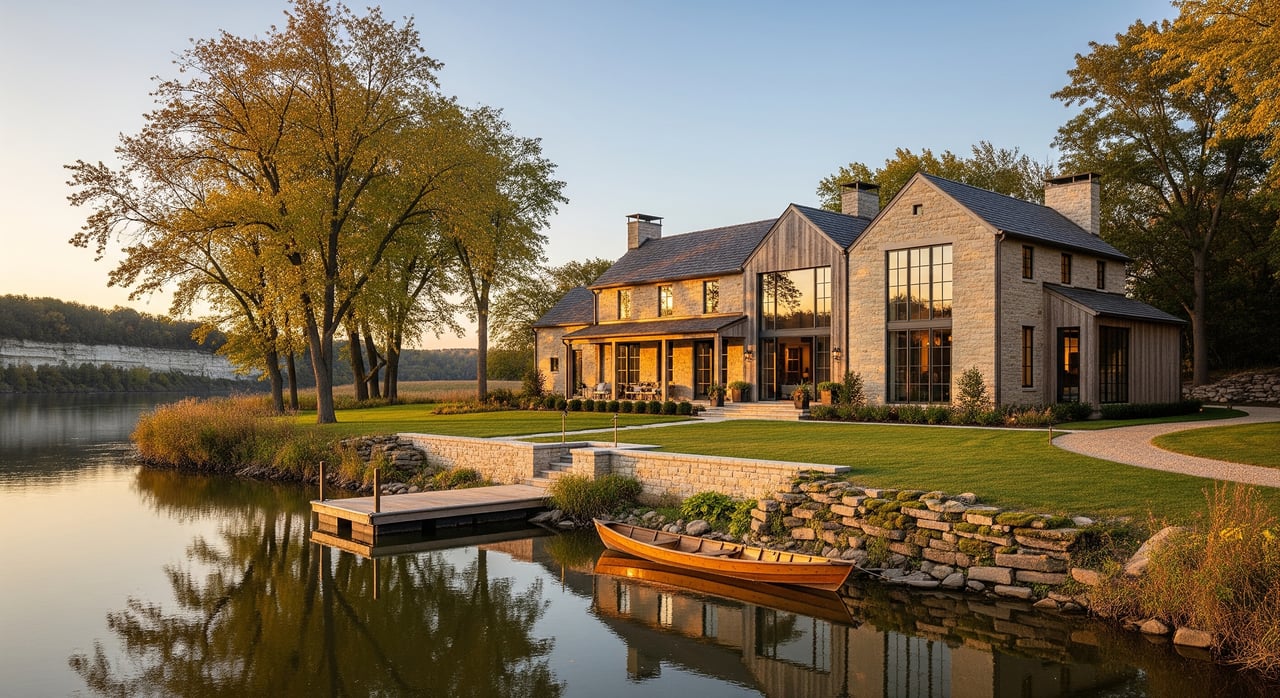
Wondering what daily life feels like in a small riverside community where the Rock River sets the pace? If you imagine mornings on a porch, short drives for errands, and rich local history, Grand Detour might be on your list. You want the charm, but you also want to know the practical details before you buy. In this guide, you’ll learn what it is like to live in Grand Detour, from housing and commutes to utilities, recreation, and what to verify during due diligence. Let’s dive in.
Grand Detour at a glance
Grand Detour is an unincorporated community along the Rock River in Ogle County. It has a quiet, rural feel with a mix of historic buildings and riverfront homes. Dixon is the nearest full-service town for shopping, schools, and everyday services.
Because it is unincorporated, Ogle County handles zoning, permits, property assessments, and most local regulations. You rely on county departments and nearby municipalities for many services, which is common across rural parts of the Rock River Valley.
Daily life and essentials
Shopping and services
You will do most shopping in Dixon. That includes groceries, pharmacies, banking, hardware, and everyday dining. For specialty retail and major medical centers, residents often drive to larger hubs such as Rockford or the Quad Cities.
Health care
Primary and urgent care options are available in Dixon. For hospital stays or specialty care, most people travel to Sterling-Rock Falls, Rockford, or the Quad Cities depending on the need. If emergency access is a priority, confirm the nearest facility and local ambulance arrangements for a specific address.
Utilities and internet
Many Grand Detour properties use private wells and on-site septic systems. Some river-adjacent clusters may have municipal water or sewer, but this varies by property. Always verify service type and the most recent well and septic records before you buy.
Broadband availability ranges from cable or DSL in some corridors to fixed wireless or satellite in more rural stretches. Speeds can change from one side of a road to the other, so check providers by exact address and test cell coverage on site.
Schools and education
Children in Grand Detour typically attend public schools in nearby districts centered in Dixon or other neighboring towns. School boundaries in rural areas can be non-intuitive, so confirm your specific property’s district assignment early in your search. You can also review district websites for enrollment steps and performance information.
Getting around and commutes
Grand Detour is car dependent. Public transit options are very limited. Most residents commute by car to Dixon, Sterling-Rock Falls, or Rockford for work. Some make longer trips to the Quad Cities or the Chicago region. Commute times vary with destination, and rural drives commonly range from about 20 to 60 minutes.
Road conditions and snow removal can differ by location. County-maintained roads receive service on a schedule, while private roads or easements may rely on shared agreements. Ask about maintenance responsibilities for any private drive.
Homes and property types
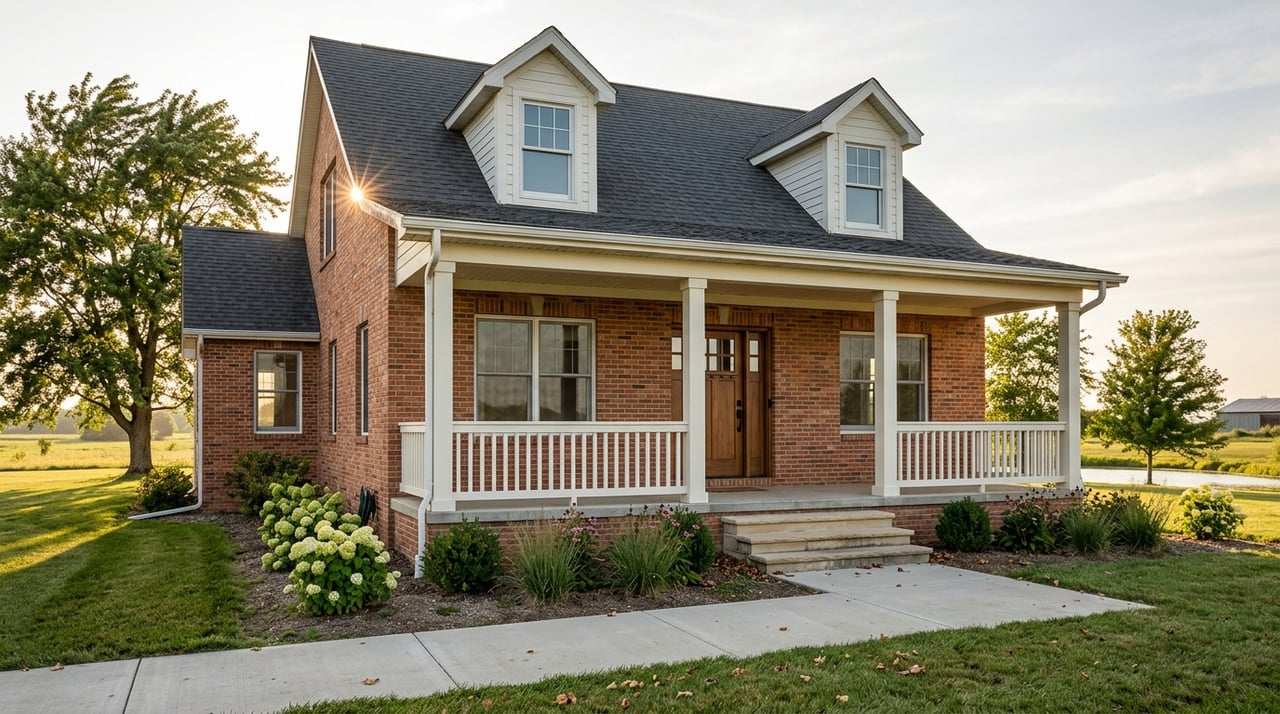
Grand Detour’s housing leans toward single-family homes with character. You will find:
- Historic 19th century homes and farmhouses
- Modest ranch and bungalow styles
- Riverfront cottages with scenic views
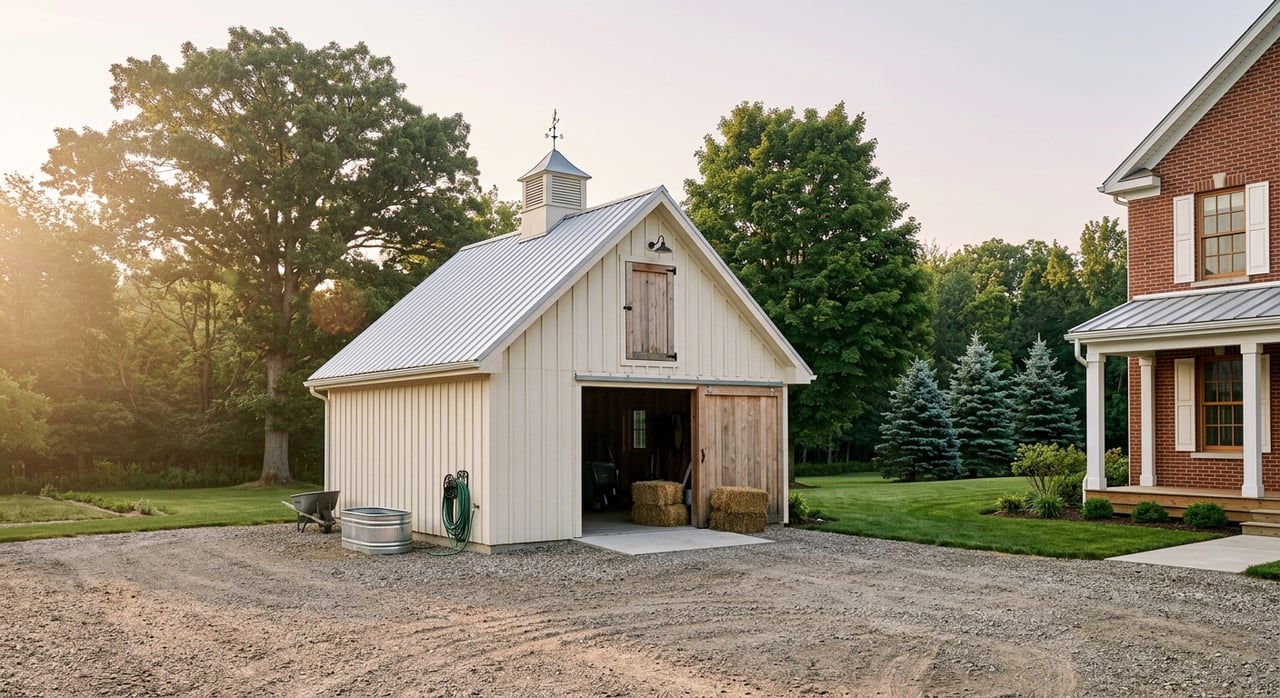
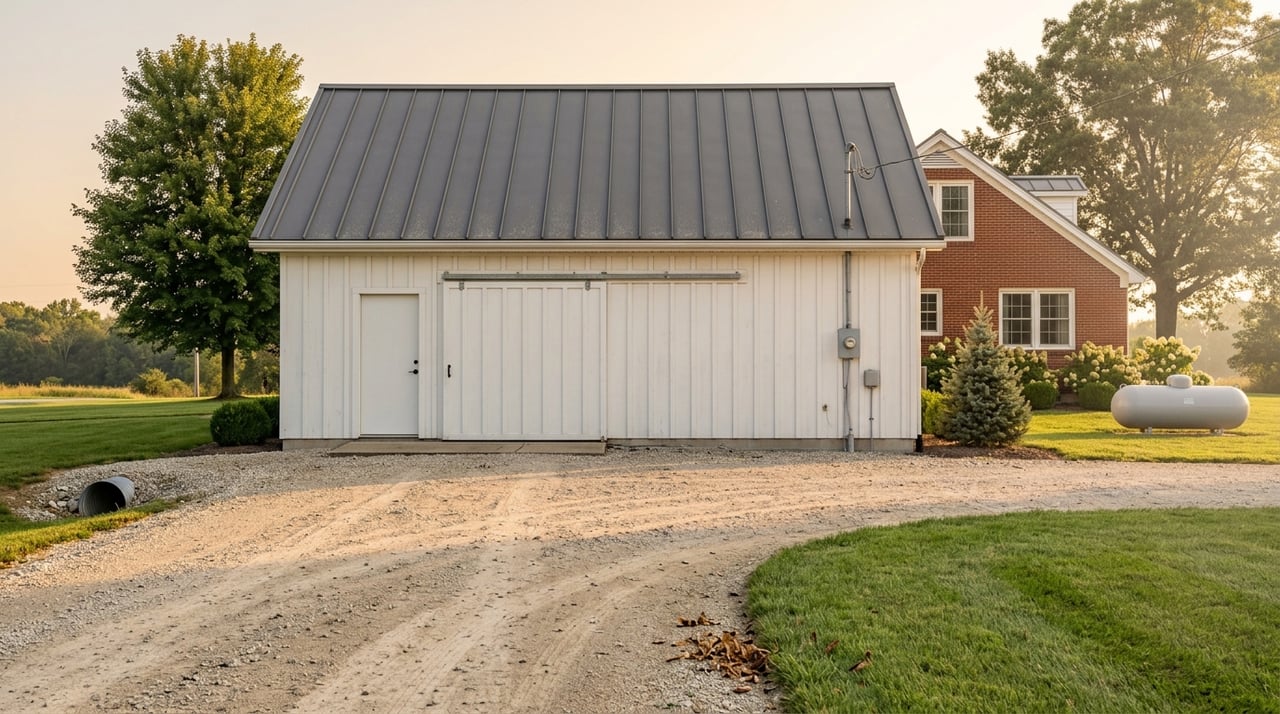
- Farm and acreage properties with outbuildings in the surrounding area
Lot sizes vary from compact riverfront parcels to multi-acre tracts. Expect mature trees, irregular lot shapes, and unique site features shaped by the river and terrain.
Market patterns to expect
Inventory is often limited compared with larger nearby towns. Specialty homes, such as historic properties or riverfront lots, can command premiums or take longer to sell depending on condition and flood risk. Many buyers choose Grand Detour for its setting and slower pace, and they balance that with longer drives for work, shopping, and services.
What to verify before you buy
Buying in a rural riverside community comes with specific checks. Use this list to guide your due diligence:
Flood zone status
- Review FEMA flood maps for the exact address and ask for an elevation certificate if the property is near the river. If status is unclear, consider a survey or engineer’s input and obtain insurance quotes early.
Well and septic systems
- Determine whether the home uses a private well and septic. Request recent well water tests, septic inspection and pump records, and any health department permits on file.
Utilities and broadband
- Confirm electric and gas providers, internet service options, and cell coverage at the property. Ask about any propane or fuel oil tanks and delivery history if relevant.
Road access and maintenance
- Verify whether the driveway or road is county maintained or private. If private, review easements and any shared maintenance agreements or costs.
Property taxes and assessments
- Review recent tax bills and assessed value. Ask about special assessments such as drainage or road projects that may affect costs.
Zoning and permitted uses
- Confirm Ogle County zoning for current and intended uses, especially if you plan outbuildings, a home-based business, or future subdivision.
Historic status and restrictions
- If a home is within a designated historic area or subject to preservation covenants, understand how exterior changes or additions are regulated.
Emergency services and hospitals
- Map the closest emergency responders and hospital options. If response time matters, talk with neighbors and local agencies for a clearer picture.
Costs, taxes, and insurance
Property taxes are assessed at the county level. Bills reflect the home’s assessed value and levies from the school district and other local taxing bodies. Because nearby school districts can differ, tax rates may vary even within short distances. Reviewing assessor records for comparable properties helps you plan your budget.
Homes near the Rock River may sit within FEMA-designated flood zones that trigger lender-required flood insurance. Factor both premiums and any mitigation steps into your total cost of ownership. For older homes or properties with private systems, lenders may ask for additional inspections, and certain renovation or specialty loans may be a better fit if repairs are needed.
Lifestyle, parks, and history
The Rock River is the centerpiece of outdoor life in Grand Detour. Residents enjoy boating, kayaking, canoeing, fishing, and year-round river views. Nearby parks and preserves across Ogle County add trails, picnic areas, and seasonal activities.
Grand Detour also has a unique place in agricultural history. John Deere lived and worked here, developing the steel plow that helped shape Midwestern farming. The John Deere Historic Site in Grand Detour preserves that story and draws visitors interested in local heritage.
Who Grand Detour fits
Grand Detour may be a good match if you want:
- A quieter, scenic setting along the Rock River
- A home with historic character or one-of-a-kind features
- Room for hobbies that fit rural living, such as gardening or workshops
- A slower daily rhythm, with drives to town for errands and services
It may not be ideal if you need robust public transit, same-street retail variety, or urban amenities within a few minutes. The trade-off is space, character, and direct access to the river and surrounding countryside.
How a local agent helps
Rural and river-adjacent properties reward careful evaluation. A local agent familiar with Ogle County can help you:
- Read county zoning and permit records correctly
- Coordinate well, septic, and specialty inspections
- Vet floodplain status and insurance considerations
- Verify utilities, broadband options, and road maintenance details
- Price and negotiate for historic or unique properties with the right comps
If you want expert guidance from search to closing, connect with someone who understands the Rock River Valley and the realities of rural homes. When you are ready, reach out to Carla Benesh for local insight, a clear plan, and a friendly, no-pressure conversation.
FAQs
Flood risk for homes in Grand Detour
- Many properties are near the Rock River, so you should check FEMA flood maps and ask for an elevation certificate to determine insurance needs.
School options for Grand Detour addresses
- Students typically attend nearby public school districts centered in Dixon or surrounding towns; confirm district assignment by the exact property address.
Internet service in rural Grand Detour
- Availability varies by road and address, from cable or DSL in some areas to fixed wireless or satellite in others; verify providers and speeds before you buy.
Commute expectations from Grand Detour
- Most residents drive; commutes to Dixon are short, while trips to Sterling-Rock Falls or Rockford are longer, and some travel 20 to 60 minutes depending on destination.
Wells, septic, and routine maintenance
- Many homes use private systems; request recent well water tests and septic inspection records, and budget for ongoing maintenance and periodic pumping.
Property taxes and assessments
- Taxes are set at the county level and influenced by assessed value and school district levies; review recent tax bills and ask about any special assessments.
Emergency care and hospitals nearby
- Primary care and urgent clinics are in Dixon, while major hospital services are in Sterling-Rock Falls, Rockford, or the Quad Cities; confirm your preferred facility and response arrangements.