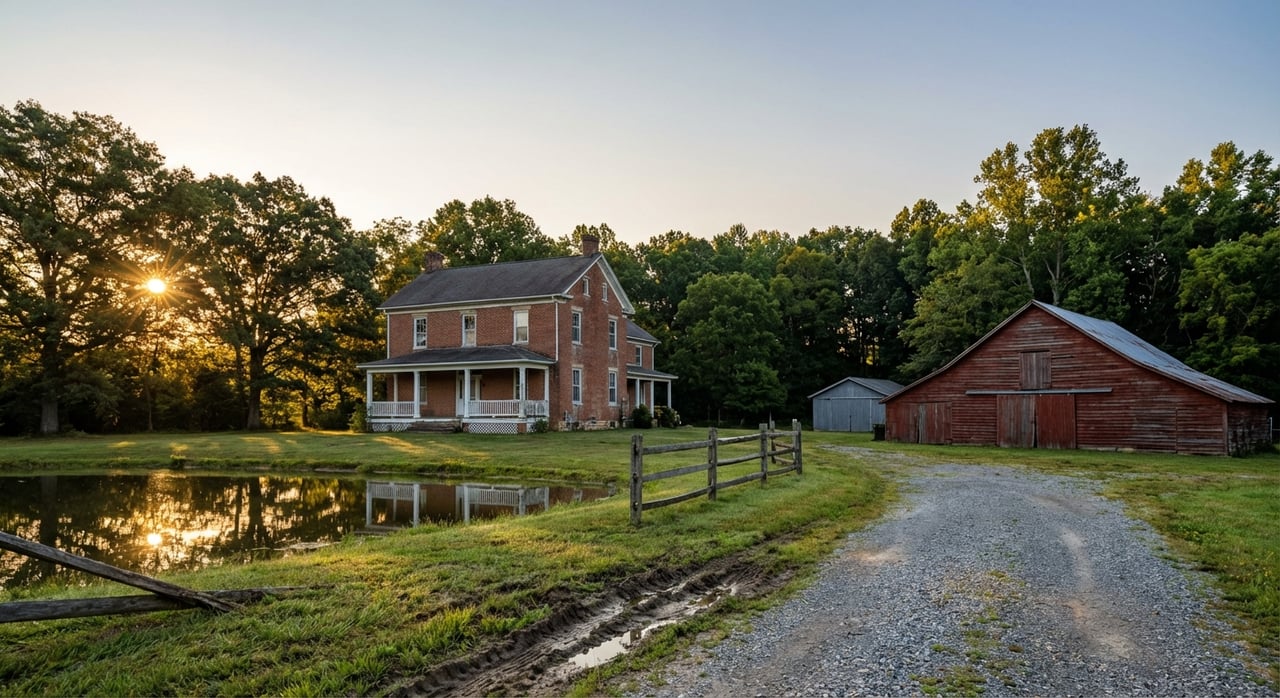
Thinking about selling your Monroe Center home with extra land, barns, or outbuildings? Acreage listings attract a different kind of buyer and require a bit more prep than a typical in-town sale. You want a clean, safe property to show, clear paperwork that answers land-use questions, and a pricing and marketing plan that highlights the value of your acres. This guide walks you through what matters in Ogle County so you can sell with confidence. Let’s dive in.
Know your buyers and the rules
Who buys acreage in Monroe Center
Buyers here are often commuters who value the rural setting and nearby I-39 access, hobby farmers and equestrian owners who want usable pasture and functional barns, privacy seekers looking for space, and occasional investor or developer buyers. Each group looks for different details. Equestrian and hobby-farm buyers focus on fencing, stall counts, and water. Privacy buyers care about tree lines and road frontage. Investors look at access, utilities, and potential for subdivision.
Confirm jurisdiction and zoning
Start by confirming whether your parcel sits inside village limits or in unincorporated Ogle County. Most acreage around Monroe Center follows county rules. Zoning, building permits, and subdivision options flow from that answer. Before you list, verify permitted uses, minimum lot sizes, and any floodplain constraints with the county Planning and Zoning office using the county’s building permit resource. You can review county permitting guidance on the Ogle County site under building permits at the Planning and Zoning page: Ogle County building permit guidance.
Prepare the property for showings
Make access easy and safe
Acreage buyers need to see the land. Clear and gravel low spots on the driveway if needed, trim back brush along access routes, and make gates simple to open and close. If a new or widened driveway could be part of a buyer’s plan, note that driveway and highway permits may apply through the county. Clear, safe access sets the tone for every showing.
Freshen pastures, fencing, and trails
Mow paths so buyers can walk or drive the property line. Patch obvious holes, secure loose wire, and repair gates. If you have paddocks, make sure latches and hinges work. These quick wins help buyers see the land as usable right away.
Showcase barns and outbuildings
Outbuildings are often the value driver on rural listings. Point out roofing age, door clearances, electrical service, concrete floors, drainage, water lines, and stall layout. Provide notes on recent repairs or known issues. Separate photo sets for barns and shops help buyers understand how they can use the space.
Get ahead of septic and well questions
In unincorporated Ogle County, private septic and wells are common. The Ogle County Health Department oversees permits and inspections for these systems. Gather past permits and repair records and consider pumping the septic and testing the well water before you list. A failed or uncertified system can derail a deal, so it pays to be proactive. Learn more from the county’s environmental health page: Ogle County Health Department environmental health.
Gather the right records and disclosures
Order or locate a survey
Clear boundaries support pricing, marketing, and negotiations. If you do not have a recent survey, consider ordering a boundary survey. For properties with title, access, or development questions, an ALTA/NSPS survey may save time later. Survey costs vary with acreage and complexity. National guidance suggests residential boundary and ALTA surveys often fall in the low to mid thousands depending on size and complexity. For a consumer overview of survey types and ranges, see this explainer: How much a land survey may cost.
Assemble permits, easements, and utility notes
Collect your recorded deed and legal description, any recorded easements, and road maintenance agreements if your access uses a private road. Include building permits or approvals for the house, barns, and major improvements. County permits are typically required for detached structures in unincorporated areas. Review the county’s building permit resource here: Ogle County building permit guidance.
Complete Illinois seller disclosures
Most sales of 1 to 4 unit residential property in Illinois require the state disclosure form under the Residential Real Property Disclosure Act. Complete and deliver the form before a written contract is signed. The law was updated in 2023, including how “seller” can be defined in certain cases, and you must supplement the disclosure if you learn of new defects before closing. You can read the statute summary at the Residential Real Property Disclosure Act, and see a plain-language update from the trade association here: Illinois REALTORS notice about the 2023 disclosure update.
Understand valuation and taxes
Use a composite approach to price
A practical way to value acreage listings is to price the house using recent residential comparables, then add per-acre value for land and separate value for improvements like barns, fencing, paddocks, and ponds. Adjust for road frontage, legal access, utility proximity, and the permitted use of outbuildings. If exact acreage comps are scarce in Monroe Center, expand your radius into the Rochelle and Rockford region and adjust for access and amenities.
Know how farmland assessment works
If part of your acreage is farmed, taxes and buyer interest can be influenced by Illinois farmland assessment rules. Illinois uses a productivity-based method that ties assessments to the land’s agricultural productivity index and Agricultural Economic Value. Understanding how your parcel’s classification affects taxable value can help you explain operating costs to buyers. Review the state’s farmland assessment overview here: Illinois Department of Revenue farmland assessments. For local classification questions or to confirm current assessed use, contact the Ogle County Supervisor of Assessments: Supervisor of Assessments - Ogle County.
Check access, soils, and environmental items
Confirm legal access
Clarify if your property fronts a public road or if access is by a recorded easement. If there is a private road, assemble any recorded road maintenance agreements. Buyers and their lenders will ask, and clear answers reduce friction during underwriting and title review.
Review floodplain and drainage
If any portion of your land sits in a FEMA floodplain, that can affect building plans and insurance requirements for buyers. Pull a map from the FEMA Flood Map Service Center and keep a copy on hand during marketing. You can generate a FIRMette and check your flood zone at the FEMA portal: FEMA Flood Map Service Center.
Know your soils and septic suitability
For agricultural and building questions, soils matter. USDA’s NRCS provides local soils data that helps summarize drainage, pasture potential, and likely septic suitability. Buyers planning to add a home or outbuilding may request a perk test through the county or health department. Preview the soils data here: USDA NRCS SSURGO soils resources.
Pricing and listing strategy that works
Present flexible purchase options
When helpful, present your offering as house plus X acres and be clear about whether a split might be possible. If subdivision could be part of the value, set expectations about county rules, including zoning, minimum lot size, utilities, and road access. Buyers appreciate a straightforward summary of what is likely to be approved by the county.
Create visuals and data that sell
Strong acreage marketing shows the whole story.
- Drone photos and short video to capture fence lines, paddocks, tree lines, and road access.
- A parcel map with boundary overlay and a simple acres-by-type summary: tillable, pasture, and wooded.
- High resolution interior photos for the home, plus a separate gallery for barns or shops with captions that note utilities, stall counts, storage, and recent repairs.
- A one page property facts sheet that lists utility access, assessed classification, septic and well notes, and county parcel ID.
Reach buyers where they look
List on the MLS with land and outbuilding features populated. Use property-type tags that match buyer intent such as Acreage or Equestrian. Then expand reach with targeted digital ads aimed at farm, horse, or outdoor interests and send email to local hobby farm and equestrian groups. If your barns or paddocks are the highlight, consider placements in equine and farm real estate newsletters.
Plan safe, efficient showings
Acreage tours run smoother with a little prep.
- Mark a safe driving and walking route for agents and buyers.
- Provide a simple perimeter map so visitors avoid neighboring land.
- Contain animals securely. Remove or secure hazardous equipment.
- Keep outbuilding keys and gate codes organized in one place.
Pre-listing checklist for Monroe Center sellers
Confirm jurisdiction, zoning, and tax classification. Call Ogle County Planning and Zoning and the Supervisor of Assessments to confirm permitted uses and current classification. See county resources here: Supervisor of Assessments - Ogle County.
Assemble title and survey items. Gather your deed, legal description, recorded easements, and any road agreements. If needed, order a boundary or ALTA survey. For a cost overview, see: How much a land survey may cost.
Prepare septic and well documentation. Locate permits and service records, pump the tank if due, and consider a well water test. Learn what the county regulates here: Ogle County Health Department environmental health.
Check floodplain and potential wetlands. Pull a FEMA FIRMette so buyers understand any flood zone implications: FEMA Flood Map Service Center.
Clean, repair, and photograph. Fix obvious fence and gate issues, tidy barns, mow access paths, and capture drone and interior photos once the property is show ready.
Complete required disclosures. Use the state disclosure form under the Residential Real Property Disclosure Act and be ready to supplement if new defects are found. Read the statute summary: Residential Real Property Disclosure Act. For a quick update on recent changes, see: Illinois REALTORS notice about the 2023 disclosure update.
Work with a local acreage expert
Selling a home with acreage in Monroe Center is part real estate and part land use. You need clear answers on zoning, septic and well, surveys, and taxes, plus targeted marketing that reaches the right buyers. With 32 plus years serving Ogle County and the Rock River Valley, Carla brings the county-level knowledge, practical marketing, and negotiation experience that acreage sellers rely on.
If you are weighing next steps, request a pricing review and a custom plan for your land, barns, and home. Reach out to Carla Benesh to get started.
FAQs
What permits or approvals matter when selling acreage in Monroe Center?
- In unincorporated Ogle County, most detached buildings and many improvements require permits, and zoning rules set what you can do with the land. Review county guidance and confirm permitted uses with Planning and Zoning: Ogle County building permit guidance.
How are farmland taxes calculated in Ogle County, Illinois?
- Illinois uses a productivity-based assessment that considers the parcel’s agricultural productivity index and Agricultural Economic Value. See the state overview and contact the county Supervisor of Assessments for your parcel’s current classification: IDOR farmland assessments and Supervisor of Assessments - Ogle County.
Do I need a new survey to sell my acreage property?
- Not always, but a recent boundary survey reduces risk and supports pricing. If there are access, title, or development questions, an ALTA/NSPS survey may be worth the added cost. Learn about common survey types and ranges here: How much a land survey may cost.
What should I do about my septic and well before listing?
- Locate permits and service records, consider pumping and testing, and address any known issues. The Ogle County Health Department oversees private sewage and wells and is a good resource for requirements: Ogle County Health Department environmental health.
How does floodplain status affect my sale in Ogle County?
- If any part of the property lies in a FEMA floodplain, it may limit building options and affect insurance and financing. Pull a FIRMette and be ready to discuss the zone with buyers: FEMA Flood Map Service Center.