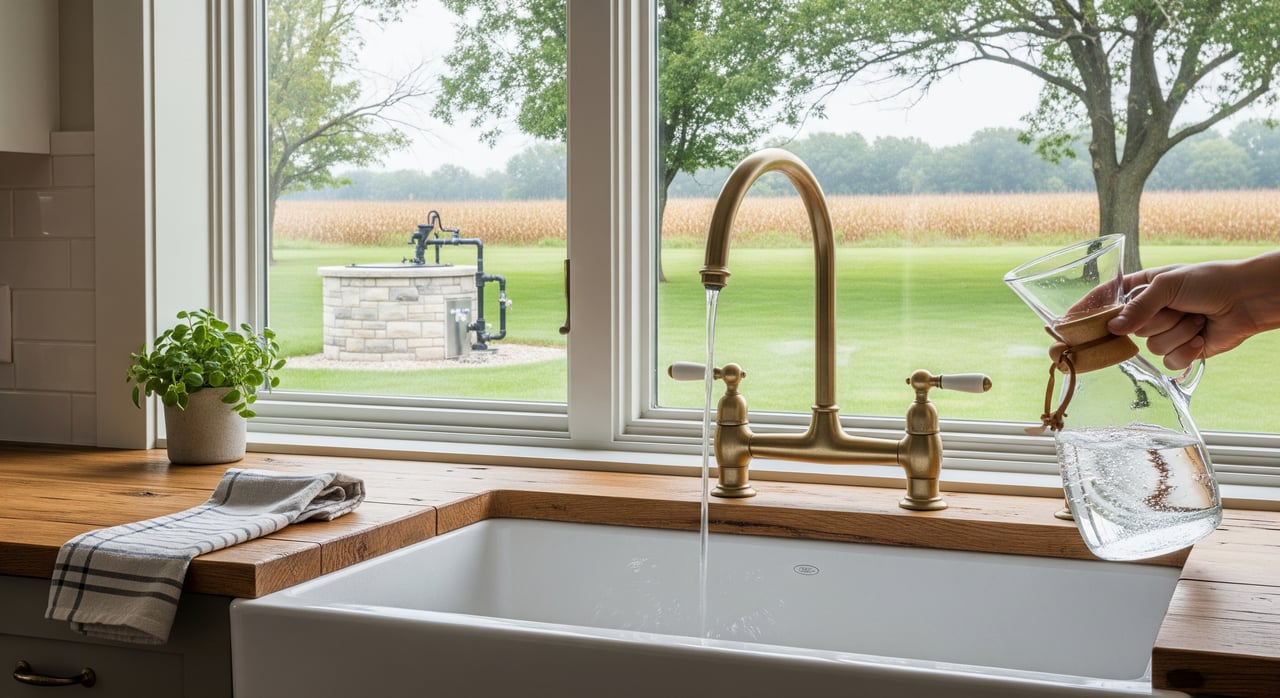
Does your Monroe Center home run on a private well? You’re not alone, and you’re smart to ask how to keep that water clean and dependable. In our rural setting, wells deliver great water when you stay on top of testing, maintenance, and the right treatment. In this guide, you’ll learn what to test for, how to collect a good sample, which fixes work, and where to get local help. Let’s dive in.
Well water in Monroe Center: what to know
Monroe Center sits in the Rock River region, where many homes draw from shallow sand-and-gravel aquifers and deeper bedrock layers. Shallow wells can be more exposed to surface contaminants from fields and septic systems. You can learn more about the area’s groundwater and aquifers from the Illinois State Water Survey’s overview of the Rock River region.
Private wells in Illinois are not regulated like public systems, so testing and treatment are up to you. The Illinois Department of Public Health provides guidance for private well owners, including what to test and how often. Start with the basics and build from there.
Common well contaminants to watch
Bacteria and E. coli
Coliform bacteria signal that surface water may be entering your well. If E. coli is present, it indicates possible fecal contamination and a risk of illness. IDPH recommends testing for coliforms at least once a year and after flooding or well repairs. See IDPH’s guidance on well sampling for coliform and nitrate.
Nitrate from fertilizers and septic
In farming areas, nitrate can leach into shallow groundwater from fertilizer, manure, and failing septic systems. High nitrate is especially risky for infants. The Illinois EPA outlines private-well risks and next steps on its page for common contaminants.
Arsenic in Illinois groundwater
Arsenic occurs naturally in parts of Illinois, and levels can vary from one well to the next. Testing is the only way to know your level. Review IDPH’s arsenic fact sheet for actions to take if results are elevated.
PFAS near release areas
PFAS are long-lasting chemicals tied to industrial sites, airports, or firefighting foam use. If you live near known detections, consider testing and certified point-of-use treatment. IDPH’s PFAS in drinking water guidance explains testing and treatment basics.
Minerals and nuisance issues
Iron, manganese, hardness, and hydrogen sulfide can stain fixtures, create odors, or cause scale. These are common in Illinois well water. They’re usually not acute health risks but may justify filters or softening.
Lead from household plumbing
Lead typically comes from older plumbing, not the aquifer. First-draw testing can help you understand whether pipes or fixtures are contributing.
How and when to test your well
Test every year for total coliform bacteria and nitrate. Test again after heavy rains, flooding, repairs, or if the water’s taste, smell, or appearance changes. Add tests for arsenic, metals, VOCs, pesticides, or PFAS based on your location, well depth, and any nearby contamination.
Follow IDPH’s steps to collect a valid sample. In short:
- Use sterile bottles from the lab or health department.
- Sample at a tap near the well, remove the aerator, and run water until it’s fresh.
- Reduce flow to a thin stream and fill the bottle without touching the inside of the cap or rim.
- Deliver the sample promptly as instructed, usually within 24 to 30 hours for bacteria tests.
IDPH’s instructions for collecting coliform and nitrate samples walk you through each step.
Where to test locally:
- Ogle County Health Department provides sample bottles, basic testing, and help interpreting results. Find contact details on the Ogle County Health Department directory page.
- For additional analyses or PFAS testing, ask IDPH or a certified lab what panels fit your situation.
What your results mean and next steps
- If coliform or E. coli is detected: resample to confirm. If confirmed, disinfect the well and inspect for problems. Until cleared, use boiled or bottled water for drinking and cooking. IDPH’s well sampling guidance explains next steps.
- If nitrate is above 10 mg/L as nitrogen: do not use the water for infant formula. Boiling does not remove nitrate and can make it worse. Seek alternate drinking water and discuss treatment.
- If arsenic is above 10 µg/L: switch to safe drinking water and install certified treatment designed for arsenic reduction.
- If PFAS or VOCs are detected: consider point-of-use treatment and confirm performance with follow-up testing.
Treatment options that work
Choose treatment that matches your contaminant and water chemistry. Test first, then size the system to your household.
- Bacteria: shock chlorination after fixing well defects, then retest.
- Nitrate: point-of-use reverse osmosis for drinking and cooking water.
- Arsenic: certified adsorption systems or reverse osmosis, verified to reduce arsenic.
- PFAS: granular activated carbon, reverse osmosis, or ion exchange at the tap, with verified performance.
- Iron, manganese, hardness, hydrogen sulfide: filters, aeration, and softeners selected for your specific levels.
Look for third-party certification and understand maintenance needs. The U.S. EPA explains how to identify filters certified to reduce PFAS. Replace filters and media on schedule to keep protection strong.
A quick homeowner checklist
- Test annually for coliform and nitrate. Add arsenic and other tests based on risk.
- Inspect your wellhead each year. The casing should be intact and at least 12 inches above grade, with the ground sloped away. See Illinois Extension’s guide to inspecting your well.
- Keep sources of contamination away from the well, including manure piles, fertilizers, and fuel.
- Maintain treatment systems according to manufacturer guidance and log filter changes.
- Research your area’s well logs if you’re considering drilling deeper or buying property. Neighboring records are available through the state.
- If you have an old or unused well, Ogle County requires permits for sealing. Review the county’s abandoned well code and use a licensed contractor.
Getting local help
- Ogle County Health Department: Sample bottles, basic testing, and interpretation. Start here for questions about your well. Visit the department directory page.
- IDPH private well guidance: Annual testing advice and how to read results. See IDPH’s coliform and nitrate sampling page.
- Illinois EPA: Contaminant overviews and private-well user tips. Learn more about common contaminants.
- Considering a new well or comparing nearby wells? Talk with a licensed well contractor and explore state well records.
If you’re buying or selling a Monroe Center home with a private well, you deserve clear guidance and local know-how. For practical advice and a smooth transaction, connect with Carla Benesh.
FAQs
How often should Monroe Center homeowners test private wells?
- Test for total coliform bacteria and nitrate every year, and test again after flooding, major rains, or well repairs.
What should I do if my well test shows coliform or E. coli?
- Resample to confirm, disinfect the well, inspect for defects, and use boiled or bottled water for drinking and cooking until a clean test is confirmed.
Is reverse osmosis the right fix for nitrate in my well?
- Yes, point-of-use reverse osmosis is a common option for drinking and cooking water when nitrate is elevated; always confirm with follow-up testing.
Where can I get local help with sampling and results?
- Contact the Ogle County Health Department for sample bottles, testing options, and result interpretation; they can guide your next steps.
What are the rules for sealing an old or unused well in Ogle County?
- Abandoned wells must be sealed under county code with a permit and a licensed contractor; review Ogle County’s abandoned well requirements before you start.