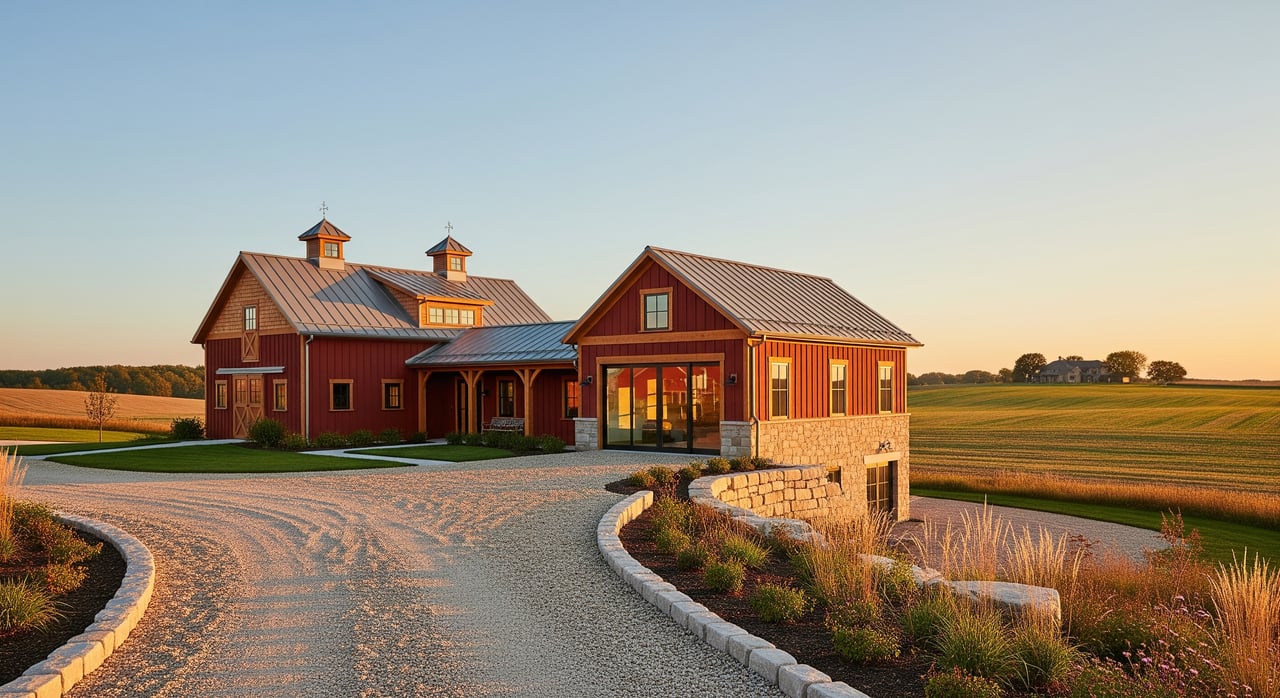
If you love the idea of extra acres, a good barn, and room for projects, you are not alone in the Monroe Center area. Financing and appraising these properties can feel complex, especially when outbuildings, wells, and septic systems come into play. You want a smooth closing and a loan that fits the land and your plans. This guide shows you how lenders and appraisers look at acreage and outbuildings in Ogle County and what to prepare so you avoid delays. Let’s dive in.
How lenders view acreage and outbuildings
Lenders look at more than the house. They also consider the land’s highest and best use, the marketability of the property, and the contributory value of each outbuilding. If a structure is typical for the Monroe Center market and in reasonable condition, it often supports value. If it is highly specialized, it may add little to collateral value.
Special-purpose buildings, like a commercial-grade machine shop or a custom equestrian complex, may be useful to you but not to a typical buyer. Lenders focus on resale risk, so they may limit how much value they credit for those features. Condition and safety matter too. Unpermitted work, non-conforming wiring, or deferred repairs can trigger lender conditions.
What adds value vs what does not
- Typical, well-kept accessory buildings support value. Think standard barns, detached garages, or shops that match local buyer expectations.
- Specialized, single-use structures often contribute less. Appraisers may classify them as special-purpose with limited market value.
- Health and safety issues must be cleared. If an outbuilding has dangerous wiring, structural problems, or code issues, your lender may require repairs before closing.
How appraisers value rural properties
Appraisers use several methods to estimate how outbuildings and acreage affect market value.
- Sales comparison approach. If there are recent local sales with similar outbuildings, the appraiser will compare them. In rural areas, exact matches are rare, so the appraiser may explain limits on comparable selection.
- Cost approach. Common for outbuildings. The appraiser estimates replacement cost new, subtracts depreciation, and then judges the contributory value to the whole property.
- Income approach. If a structure produces clear income, such as boarding horses or renting shop space, income can help inform value. This is less common for standard residential lending.
Acreage matters
Appraisers separate land value from improvements. Usable acres, like tillable ground, pasture, or buildable area, often carry higher per-acre value than steep, wet, or encumbered land. Zoning and likely use influence value. Agricultural zoning versus subdivision potential can change the numbers the appraiser supports.
Help your appraiser with documentation
Good documentation makes appraisal more accurate and faster. Provide:
- Age, size, materials, and utility details for each outbuilding
- Foundation type, roof condition, and recent repairs or upgrades
- Photos of interiors, mechanicals, and exteriors
- Receipts or estimates for major work
- Any income and expense records if a building is leased or produces income
Loan programs for rural properties
Each loan type views acreage and outbuildings through a different lens. Program rules and lender overlays vary, so start the conversation early.
Conventional loans
Conventional lenders focus on marketability. If buildings or acreage are atypical, you may see a lower loan-to-value, added documentation, or a need for comparable sales that include similar features. Some lenders may ask for specialty appraisal addenda that explain market support for outbuildings.
FHA loans
FHA requires the property to be primarily residential and safe. Outbuildings are allowed, but any health or safety issues must be corrected. Appraisers follow HUD standards, so items like unsafe wiring, missing handrails, or obvious hazards can lead to required repairs before final approval.
VA loans
VA financing supports marketable, safe residential properties. Accessory structures are reviewed for safety and how they affect resale. If a special-purpose building limits market appeal, the appraised value or allowable loan amount may be affected.
USDA Rural Development
USDA loans are for eligible rural areas, which include much of Ogle County. USDA finances single-family residences, and typical accessory buildings are fine if they support residential use. Non-residential, special-purpose improvements can complicate eligibility. Underwriters look closely at well and septic adequacy, livability, and condition in rural settings.
Portfolio and local lenders
Local banks and credit unions sometimes offer portfolio loans. These can be more flexible for unique rural properties because the lender understands the market and keeps the loan in house. This route can help when outbuildings or acreage fall outside standard guidelines.
Common issues that slow loans
Avoid surprises by addressing these early:
- Missing permits or unpermitted work. Lenders may require permits, final inspections, or a repair escrow at closing.
- Well and septic. Expect inspections or water tests. Lenders often want verified distances from potential contamination sources and proof of compliance.
- Access and easements. Private roads or shared driveways usually need recorded maintenance agreements. Legal access must be clear.
- Floodplain exposure. If any structures lie in a mapped flood zone, flood insurance and possibly an elevation certificate may be required.
- Environmental hazards. Fuel tanks, chemical storage, or signs of contamination can trigger reviews.
- Insurance availability. If your insurer will not cover a structure or the premium is very high, lenders see more risk.
What to gather before listing or applying
Getting your paperwork in order up front saves time and stress. Use this checklist.
Ownership and legal
- Deed, legal description, and any recent title commitment
- Recorded easements or right-of-way documents
- Current property tax bills and parcel number for the Ogle County Assessor
Building and permits
- Permits and final inspections for the home and each outbuilding, plus any certificate of occupancy if applicable
- Construction records: dates built, builder names, materials
- Receipts for roofs, electrical, HVAC, structural repairs
Utilities and systems
- Well records and water quality test results
- Septic permits, percolation data, inspection and pump records
- Utility details: electric service size, propane tank info, heating fuel sources, and whether public water or sewer is present
Site and boundaries
- Recent boundary or plat of survey, especially if an outbuilding is close to a lot line
- Ogle County parcel map showing acreage and any tax-lot splits
Environmental and safety
- Records of fuel or chemical storage and any underground storage tank information
- Any past environmental assessments
- Known lead paint or asbestos reports if they exist
Income or operations
- Lease agreements and income and expense records if an outbuilding is rented or used for a paid activity
Insurance and risk
- Current insurance declarations showing coverage limits for each outbuilding
- Quotes or insurer notes if coverage on a unique structure is limited or costly
Visual documentation
- Clear photos inside and out for each building, including mechanicals, roofs, and foundations
- Aerial or drone images showing the layout on the land and how buildings relate to boundaries
Helpful third-party reports
- Contractor replacement or repair estimates for large items
- Structural engineer opinions for major concerns
- Licensed septic and well reports
Negotiation and timing tips
- Start early. Gather permits, well and septic records, and surveys before you list or apply. Early disclosure reduces surprises.
- Be realistic on specialized features. A high-end shop or arena may not add its full replacement cost to value. Target your marketing to buyers who need those features and expect appraisal discussions.
- Consider pre-listing inspections. A septic inspection, well test, or contractor estimate can support a smoother appraisal and underwriting.
- If unpermitted, explore solutions. Obtain permits if feasible. If not, document age, condition, and why they cannot be permitted. Be ready for lender conditions.
- Repairs vs price concessions. Lenders may require certain fixes before closing. Have estimates in hand so you can negotiate repair credits, escrows, or price.
- Match the loan to the property. Conventional, FHA, VA, USDA, or a local portfolio loan may fit differently based on acreage, buildings, and intended use. Talk to lenders early.
Local resources to verify information
In and around Monroe Center, these sources help you verify records and requirements:
- Ogle County offices: Recorder of Deeds, Assessor, and Building and Zoning or Land Use for permits, plats, and zoning rules
- Ogle County Health Department or Environmental Health for well and septic records
- FEMA Flood Map Service Center for flood zone checks
- USDA Rural Development for area eligibility and program details
- HUD/FHA and VA resources for appraisal and property standards
- Local lenders and appraisers with rural property experience in Ogle County
Bringing it all together
Financing acreage and outbuildings near Monroe Center is very doable when you prepare the right way. Focus on safety, documentation, and how typical your structures are for the local market. Choose a loan program that fits the property and your goals, and line up well, septic, permit, and survey records before the appraisal. That sets you up for a faster, cleaner closing.
If you are planning to buy or sell a rural property in Ogle County, you deserve guidance from someone who handles land, barns, and specialty features every day. Connect with Carla’s team to review your goals, align the right loan path, and set up your documents before you hit the market. Reach out to Unknown Company to request a Free Market Valuation.
FAQs
How do appraisers value barns and shops near Monroe Center?
- Appraisers weigh how typical the structure is, its condition, and market support. They often use the cost approach for outbuildings and sales comparison if similar sales exist. Specialized buildings may contribute less to value.
What should sellers gather before listing acreage with outbuildings?
- Permits and final inspections, well and septic records, surveys, utility details, photos, receipts for major work, insurance declarations, and any income records tied to the buildings.
Will unpermitted outbuildings stop my loan in Ogle County?
- Not always, but they can delay approval. Lenders may require permits, inspections, or repair escrows. If permitting is not possible, strong documentation and contractor estimates help address lender conditions.
How do lenders handle wells and septics on rural properties?
- Lenders often require a well flow or water quality test and a septic inspection or compliance verification. They look for safe distances from potential contamination and evidence that systems are adequate for the home.
Can I use a USDA loan for acreage near Monroe Center?
- USDA finances single-family homes in eligible rural areas. Typical residential outbuildings are usually acceptable. Special-purpose, non-residential structures can complicate eligibility, so discuss details with your lender early.
What if part of my property lies in a flood zone?
- If buildings are in a mapped floodplain, lenders usually require flood insurance and may ask for an elevation certificate. Confirm the flood zone and discuss insurance early to avoid delays.